



The Power of the 'Reservation Dogs'
'Reservation Dogs' is stacked with an array of Native American performers and crew telling their own story.
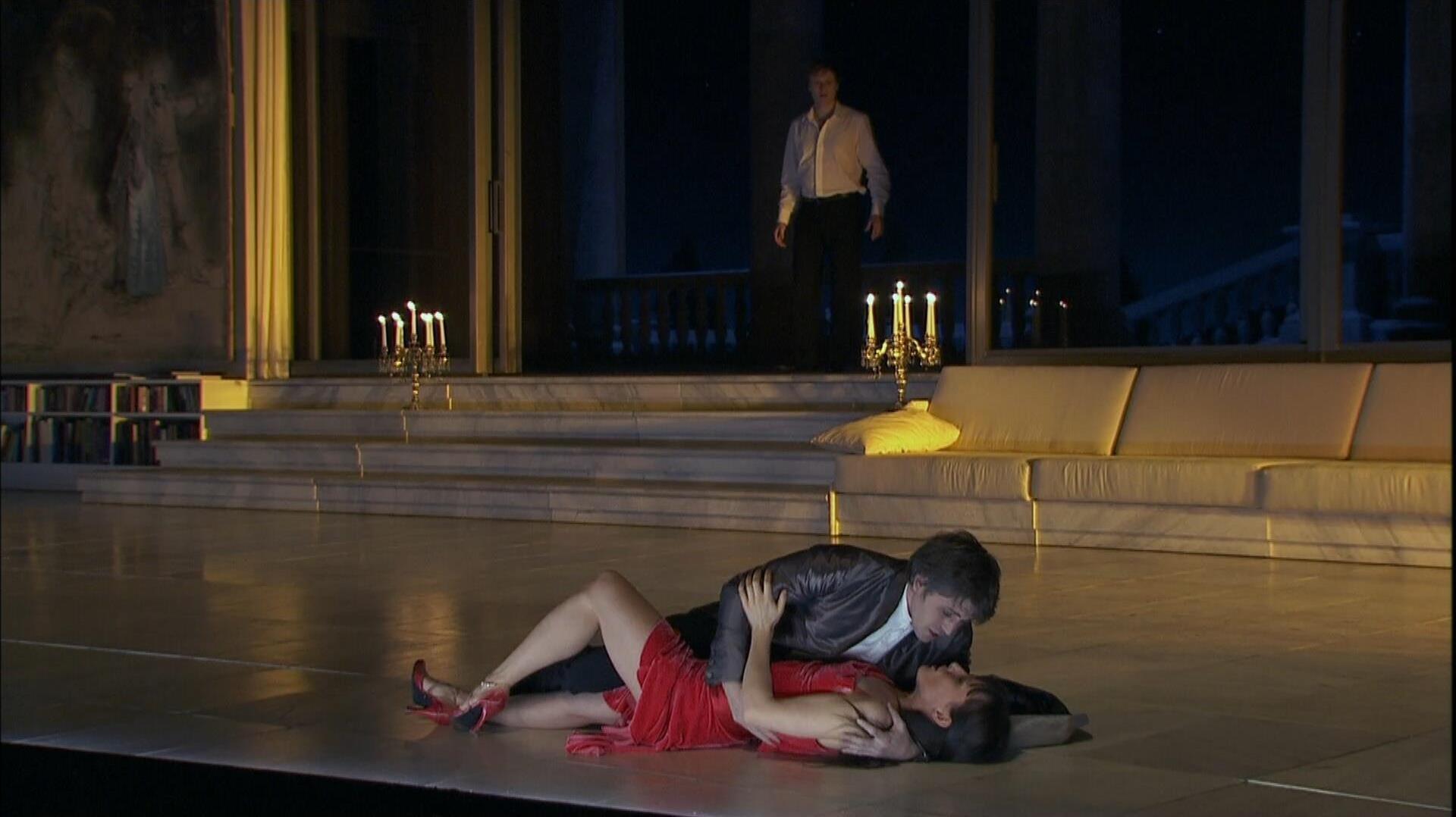
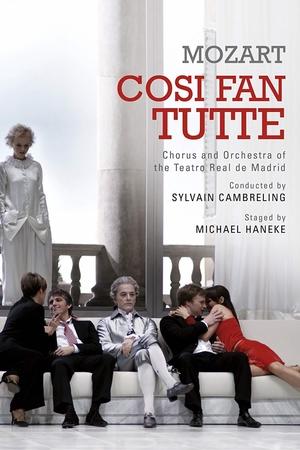


Who loves whom in Così fan tutte, Mozart’s and Da Ponte’s cruelly comic reflection on desire, fidelity and betrayal? Or have the confusions to which the main characters subject one another ensured that in spite of the heartfelt love duets and superficially fleetfooted comedy nothing will work any longer and that a sense of emotional erosion has replaced true feelings? Così fan tutte is a timeless work full of questions that affect us all. The Academy Award-winning director Michael Haneke once said that he was merely being precise and did not want to distort reality. In only his second opera production after Don Giovanni in 2006, he presents what ARTE described as a “disillusioned vision of love in an ice-cold, realistic interpretation”.
'Reservation Dogs' is stacked with an array of Native American performers and crew telling their own story.
The film didn’t have to be as long as it is. It just dragged on and on with scenes that had no substance. Every so often we get an action scene, and even those isn’t that fun.
This fantasy movie released on Disney+ has strong topics and themes related to magic.
This coming-of-age Mexican movie is about a group of school children who fulfill their dreams.
As this critic continues to look back at some of this Summer's films I have taken in, I would be remiss if I didn't mention one of the most overall unsettling trends in Hollywood over the last several years.....sequels, reboots, and remakes. Look, I am all for seeing more than one film for certain originals that made a splash, ie: "Jurassic Park", "Pirates of the Caribbean", "Transformers", etc.