

What Netflix’s 'Daredevil' Gets Right and Wrong About Blindness
The "Daredevil" renaissance is finally upon us! As we return to the Netflix show, let's take a look at the ways the show gets blindness right and wrong.
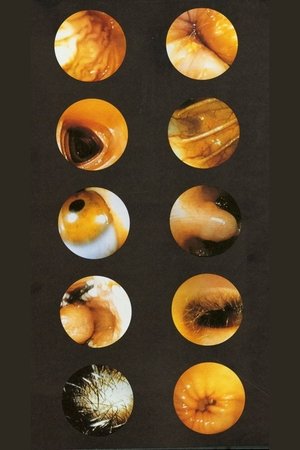


This complex piece is composed of a cylindrical space with padded walls where the viewer is invited to enter and see a video of Hatoum’s internal body. As such, she makes use of indispensable medical imaging technology (that without, the work would not exist). Hatoum uses the strategy of abjection in displaying the internal cavities in a way that has the effect of swallowing up the viewer. The abject destabilizes boundaries.
The "Daredevil" renaissance is finally upon us! As we return to the Netflix show, let's take a look at the ways the show gets blindness right and wrong.
John Fawcett’s "Ginger Snaps" intertwines the lore of the werewolf to the hellish experience of a young girl going through puberty.
Throughout Brendan Fraser’s career, he has played a plethora of unique, layered characters who explore the importance of not being afraid to display your emotions, something that is often seen to not be a masculine trait. This idea of regulating emotion and what traits men are able to possess creates a toxic atmosphere for men who are often told they should not cry or represent their emotions in any physical way. These characters represent that men can be joyful, emotionally conscious, and sensitive, while also representing their masculine identity instead of painting those qualities as fighting against their masculinity.
'Little Woods' rethinks the Western genre and examines the misogyny and classism inherent in the healthcare industry.
When long-time couple Jenny and Nate break up so Jenny can pursue her journalism career, Jenny leans on her two best friends for one last epic night in the city.
A K-9 police dog goes undercover to stop an illegal animal smuggling ring and learns a valuable lesson along the way.