

Trans Representation Through Disney’s 'Mulan'
Mulan had to struggle to feel like herself and see herself properly. Some of us have to strive to have our reflection mimic what’s inside. We have to crawl. We have to fight.
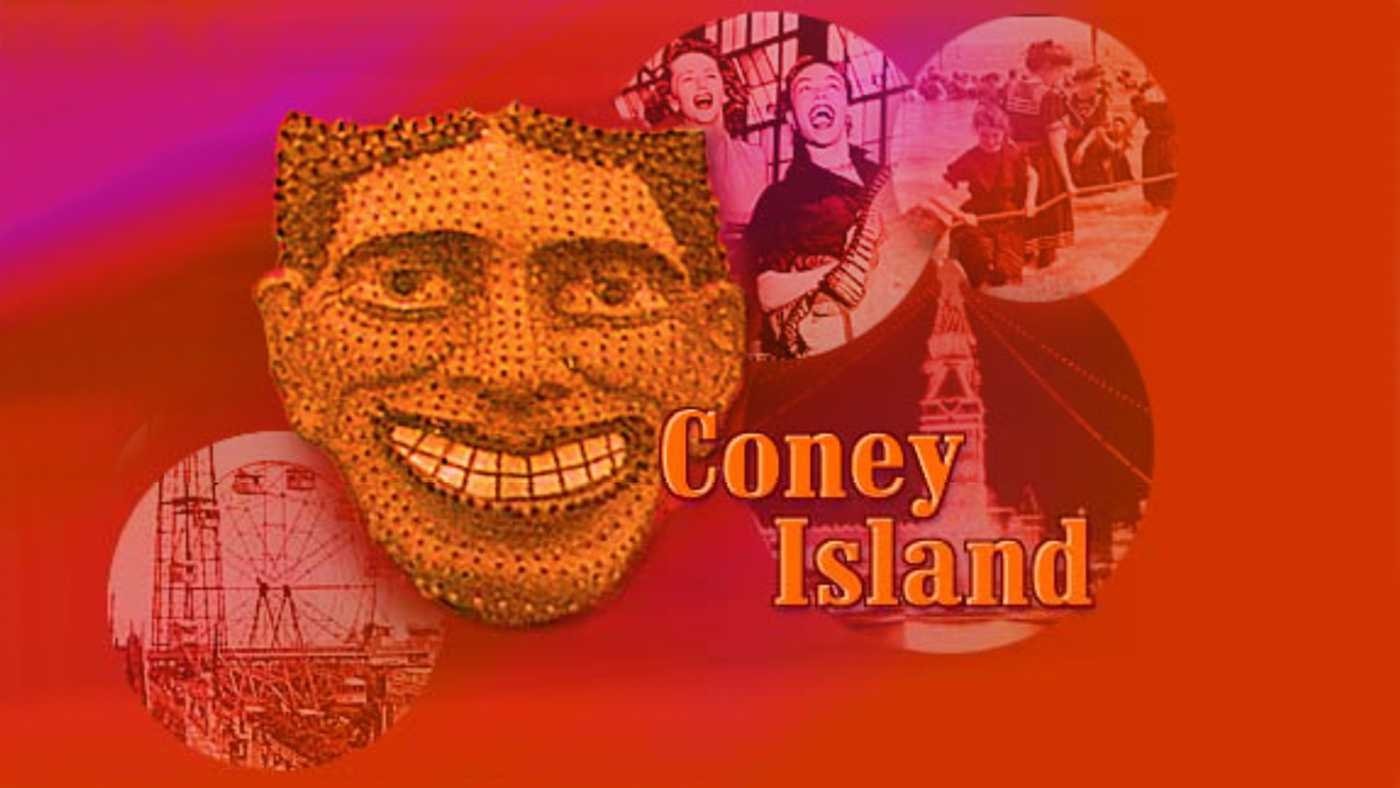



Before there was Disneyland, there was Coney Island. By the turn of the century, this tiny piece of New York real estate was internationally famous. On summer Sundays, three great pleasure domes--Steeplechase, Luna Park and Dreamland--competed for the patronage of a half-million people. By day it was the world's most amazing amusement park, by night, an electric "Eden".
Mulan had to struggle to feel like herself and see herself properly. Some of us have to strive to have our reflection mimic what’s inside. We have to crawl. We have to fight.
Elio could be seen as fantastic piece of representation, showing lonely children who feel ostracized that they are not alone. That is, unless you look behind the curtain.
The nations of Wakanda and Talokan enter war over their opposing viewpoints on dealing with the destructive hearts of humankind on the surface world.
Happy Halloween! If you were debating capping off Spooky Season with a viewing of Hocus Pocus 2, it is just very clear that this is more for the younger audience as opposed to people who grew up with the original.
Shortly after season two of Fleabag dropped on Amazon Prime in 2019, Barack Obama put it on his list as one of his favorite television series of the year.
This powerful story shines with poetic animation, an exploration of deeper truths, and the protagonist's complex search for identity.