

The Phoenician Scheme: A Man of No Identity
Wes Anderson offers a light-hearted comedy in the Middle East centering around Catholic motifs.
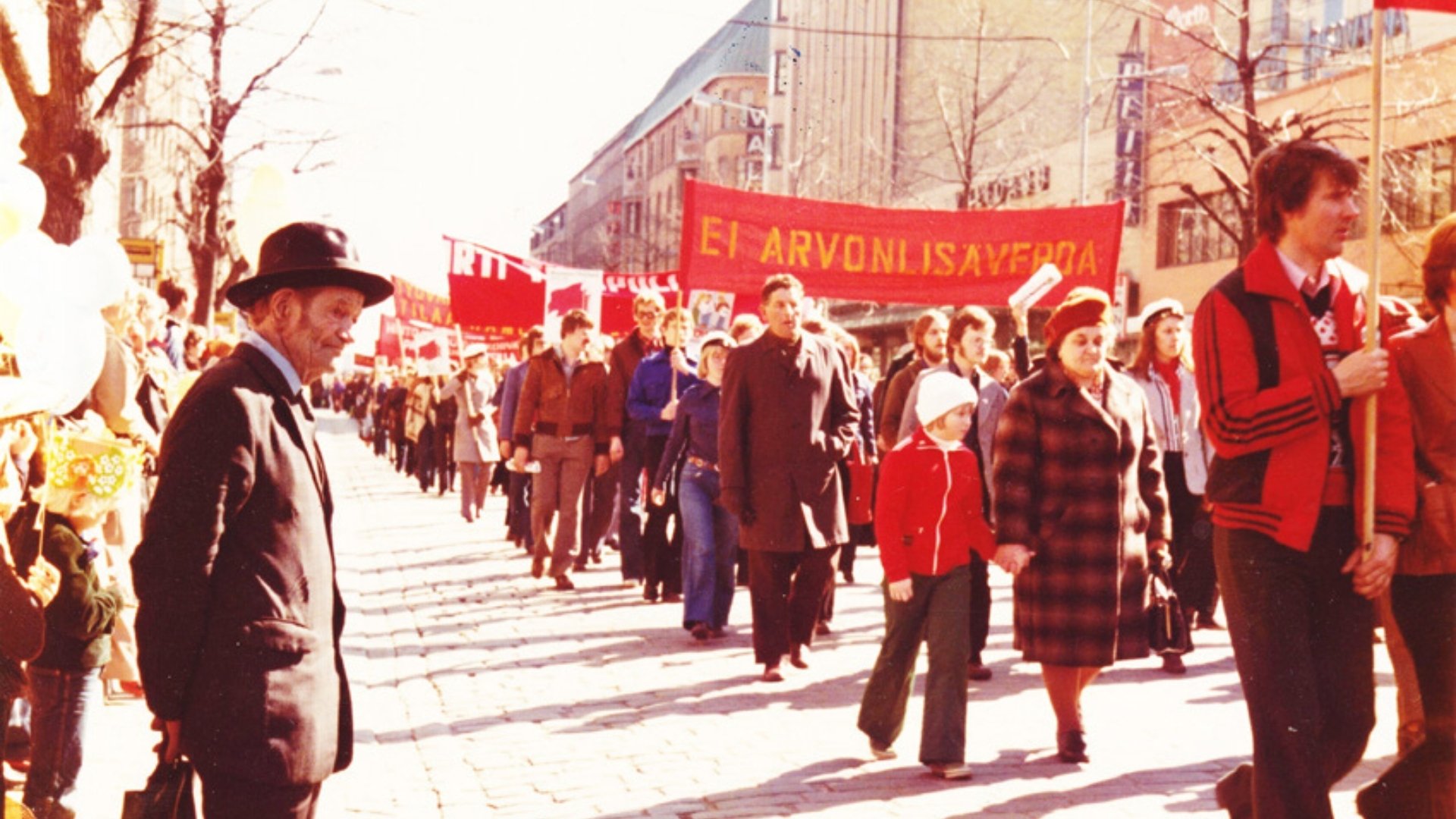



In 1988, 20-year-old Kirsi Marie Liimatainen travels from Finland to the GDR, to study Marxism-Leninism at the International Youth Academy. In summer of´89 the course ends and the students spread out over the world. Afew months later, the Berlin Wall falls. 24 years later Kirsi, sets out on a cinematic journey to Nicaragua, South Africa, Chile, Bolivia, Lebanon, Germany and Finland to meet up once more with her former fellow students. What remains of their dream of the liberation of the oppressed?
Wes Anderson offers a light-hearted comedy in the Middle East centering around Catholic motifs.
Throughout Brendan Fraser’s career, he has played a plethora of unique, layered characters who explore the importance of not being afraid to display your emotions, something that is often seen to not be a masculine trait. This idea of regulating emotion and what traits men are able to possess creates a toxic atmosphere for men who are often told they should not cry or represent their emotions in any physical way. These characters represent that men can be joyful, emotionally conscious, and sensitive, while also representing their masculine identity instead of painting those qualities as fighting against their masculinity.
Ready or Not takes a terrifying situation and has a fun time with horror components. The film melds horror and comedy, creating a cinematic hybrid that flows like running water. Instead of being a film that embraces gut-wrenching sensibilities, it perfectly taps into the energetic nature of hide and seek.
With a cast of exceptional and exclusively openly gay actors, "Boys In The Band" takes on themes of homophobia, racism, vanity, and substance abuse.
Evan Goldman, a child of divorced parents, is planning a memorable bar mitzvah for his 13th birthday. However, middle school has a few obstacles along the way.
Lin-Manuel Miranda's Tony-winning musical translates beautifully to the screen.