


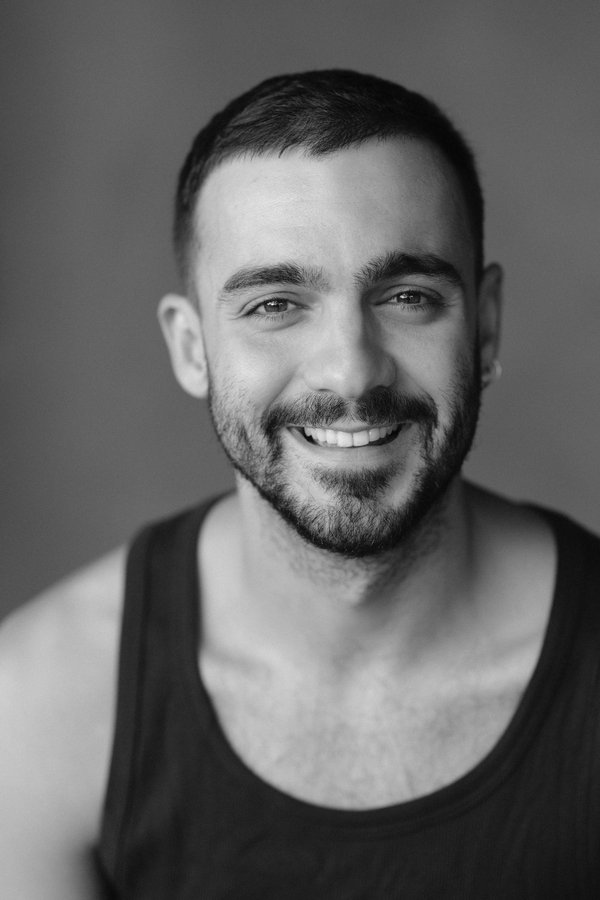
A Conversation With the Filmmakers of 'When Men Were Men'
Hours before their line-up of screenings for Trans Awareness Week began, the filmmakers of 'When Men Were Men' chatted with me about the film's personal exploration of masculinity.



Hours before their line-up of screenings for Trans Awareness Week began, the filmmakers of 'When Men Were Men' chatted with me about the film's personal exploration of masculinity.
Even with its straightforward premise, “Richard Jewell” is ramped up by exceptional drama. In all honesty, the performances are out of this world. As Jewell, Paul Walter Hauser becomes a walking representation of gullibility. His bumbling antics create the perfect hero, and very quickly, we feel the societal heat that surrounds our protagonists.
A best friend that will stick with you to the end, on a group trip from hell, is someone to die for.
A lonely little Hawaiian girl and her mischievous blue alien friend form a bond that heals both of their hearts, as well as ours. This live action version adds emotional nuances—notably in the sisters’ dynamic—while preserving the charm of the original.
Netflix’s Shadow and Bone has a complicated relationship with race. It has a diverse cast, but not without its problems. Based on Leigh Bardugo’s two book series, the show features characters from the Shadow and Bone trilogy, which is very straight and white, and the Six of Crows duology, which is much more diverse. When bringing together a cast and writing about these characters, the team behind the show expanded upon some of the representation missing from the first trilogy, then seemed to take away representation from the duology. Shadow and Bone seems to play a bit of a push and pull game when it comes to portraying diversity onscreen.