

"Snatching trophies? I am a trophy." Trixie Mattel: Moving Parts
World-famous drag queen Trixie Mattel shares a year of her life with the world in this vulnerable and uplifting documentary.
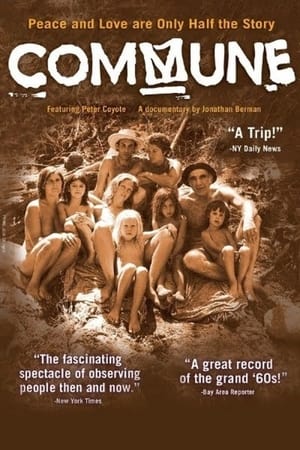


In 1968, Elsa and Richard Marley founded an alternative-living community, named Black Bear, in the remote Northern California wilderness with the motto "Free Land for Free People." This film tells the story of that intended utopia. Through archival footage and interviews with former residents, director Jonathan Berman explores the problems and realities of communal living and the evolution of a community that endured FBI harassment, cult leadership and more.
World-famous drag queen Trixie Mattel shares a year of her life with the world in this vulnerable and uplifting documentary.
The second film takes us on Peter's journey to be understood.
In Amazon’s new shark flick, The Devil’s Mouth, terrible tourists finally get their comeuppance while two estranged best friends must overcome their petty squabbles to survive as the rest of their party gets chomped one by one. While it’s by no means an Oscar winner, The Devil’s Mouth is good old fashioned shark week carnage with a tourist critical twist, perfect with popcorn, a friend, and a healthy does of schadenfreude.
'Hawkeye' episode five features Clint facing his sins, Kate having dinner with an assassin, and the reveal of the long-awaited [SPOILER].
Throughout Brendan Fraser’s career, he has played a plethora of unique, layered characters who explore the importance of not being afraid to display your emotions, something that is often seen to not be a masculine trait. This idea of regulating emotion and what traits men are able to possess creates a toxic atmosphere for men who are often told they should not cry or represent their emotions in any physical way. These characters represent that men can be joyful, emotionally conscious, and sensitive, while also representing their masculine identity instead of painting those qualities as fighting against their masculinity.
A Christmas movie that is not about a middle-class, straight relationship but centers on a lesbian couple.