“Bury Your Gays” Trope in TV and How “Wynonna Earp” Defies it
I think that the happiness and survival of "Wynonna Earp"’s LGBTQ+ characters is incredibly refreshing in contrast to the prevalence of queer suffering and death in other television.
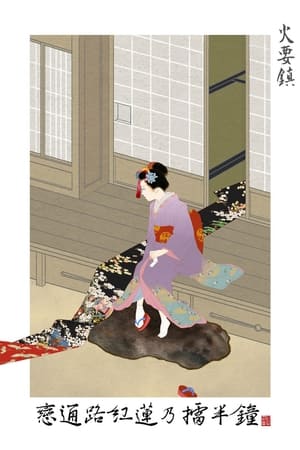


The city of Edo, the 18th century. Owaka, the daughter of a merchant family, and her childhood friend Matsukichi. The two were drawn to each other, but Matsukichi has been disowned by his family, and is working for the city fire brigade. Meanwhile, negotiations begin for the arrangement of Owaka's marriage. Unable to let go of her thoughts of Matsukichi, her mad emotions make her bring about a massive inferno which razes Edo. By chance encounter, the two meet again amidst the fires.It is an epic spectacle set against the stage of the massive metropolis of Edo.

Katsuhiro Otomo
Director


Saori Hayami
Owaka (voice)
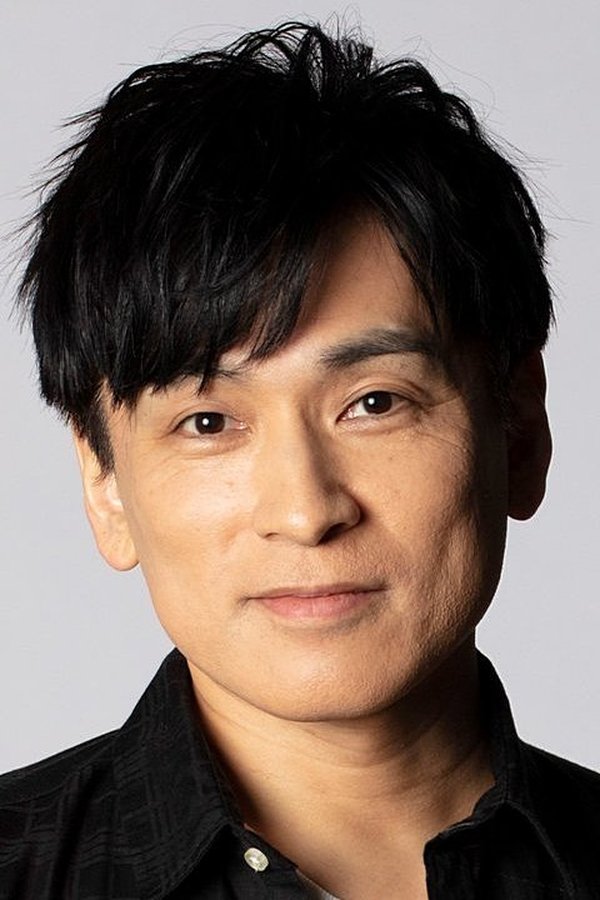
Masakazu Morita
Matsuyoshi (voice)

Hajime Iijima
Owaka's Father (voice)

Kokoa Amano
Owaka (young) (voice)
Masaaki Emori
Matchmaker (voice)

Nobutoshi Canna
Head clerk (voice)
Ruiki Sato
Matsukichi (young) (voice)
Ryuji Aigase
Sadakichi (voice)
Tadahisa Saizen
Fireman (voice)

Taro Ishida
Tsurunosuke (voice)

Yu Kobayashi
Oume (voice)
I think that the happiness and survival of "Wynonna Earp"’s LGBTQ+ characters is incredibly refreshing in contrast to the prevalence of queer suffering and death in other television.
Episode 3, entitled “Now in Color,” brings us to the 1970s — a decade full of vibrancy, color, and total mayhem.
The Last Duel is about rape. Although the film delves into rape culture in medieval Europe, there are many striking similarities to modern rape culture.
'Midnight at the Paradise' premieres tomorrow at Toronto's Paradise Theatre! I had the pleasure to sit down with Vanessa Matsui to discuss the making of this film.
This article discusses the classic and timeless franchise, The Smurfs.
Movie explained - Despite the glaring flaws present, Young Adult Matters is held together by the performances from Yoo Mi and Hani, who keep the story afloat. Though an interesting story, Young Adult Matters is worth watching solely for these performances. Among its brilliant performances is a messy, self-indulgent, and at times overwhelmingly brutal story with more potential than follow through.