

'Never Have I Ever' Season 2 Gets Messier, and It's Great
In season 2 of “Never Have I Ever," Devi make many mistakes in a messier season that explores the complex lives of its diverse cast more in-depth than before.
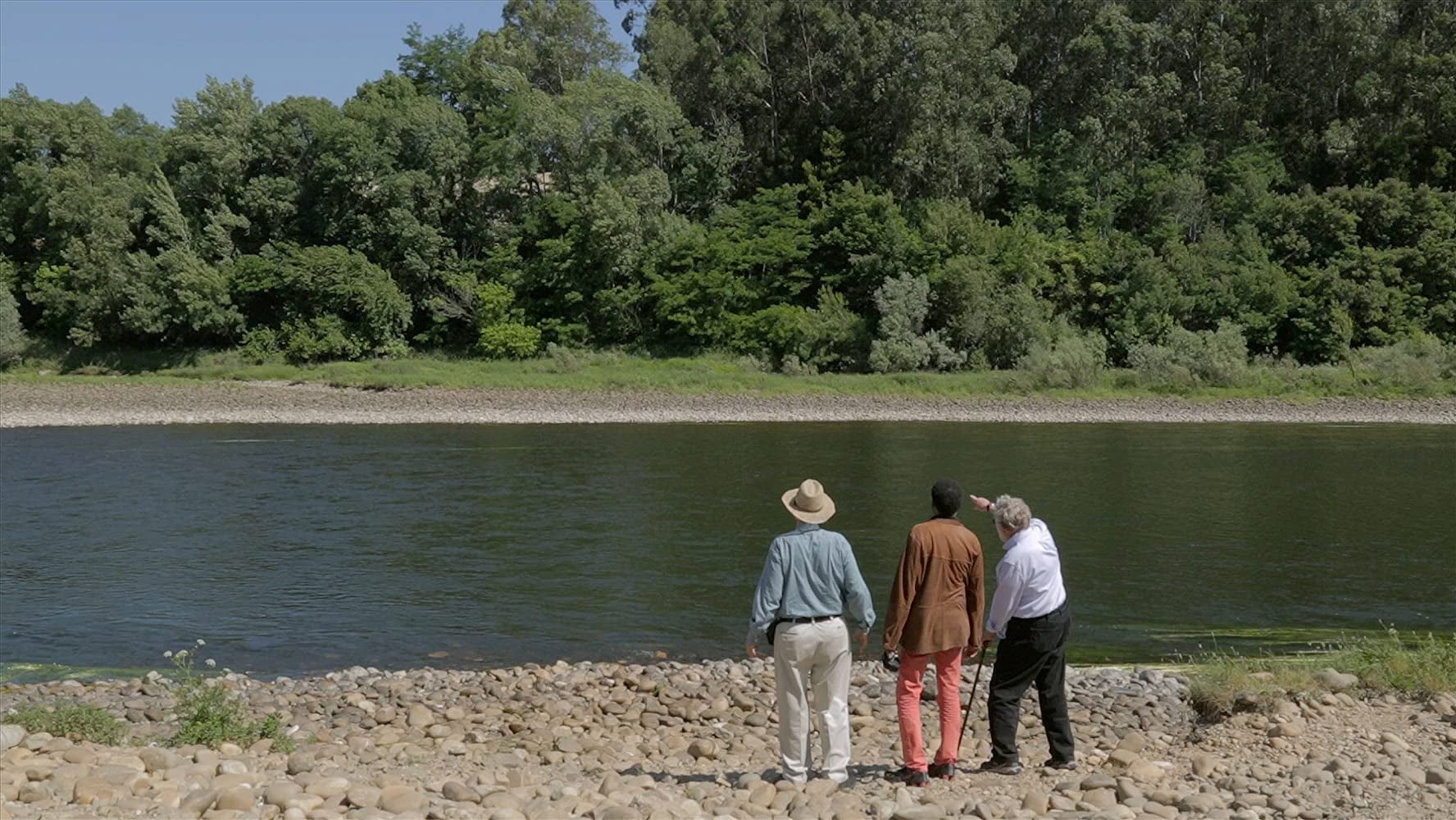



In 1961 the liberation struggles start in Angola against the portuguese colonial power. The African students in Portugal fear for their safety and plan to flee outside the country. With the help of Theology students, French and North-American pastors, the operation code name "Angola" fled over 100 african students abroad towards freedom, amongst them several future leaders of african countries.
In season 2 of “Never Have I Ever," Devi make many mistakes in a messier season that explores the complex lives of its diverse cast more in-depth than before.
21 Bridges isn’t going to revolutionize action cinema. However, its action components are respectable. Every act is visibly clear, and as time moves forward, the film changes its conflictual rhythm.
Darren Aronofsky’s Caught Stealing is a gritty, darkly funny thrill ride through 1998 New York, with Austin Butler delivering a raw, magnetic turn as Hank Thompson—a washed-up ex-ballplayer turned bartender whose life implodes after cat-sitting for his punk neighbor drags him into a violent underworld of gangsters, crooked cops, and chaos. Brutal yet unexpectedly hilarious, the film blends noir grit with midnight-movie absurdity, proving Aronofsky can reinvent himself while Butler cements his status as a true movie star.
A24 keeps producing amazing films and X belongs with all the brilliant titles under its name. And is definitely a must-watch for a film enthusiast!
One of the reasons I love watching movies is that, much like books, they serve as windows into other times and different places. Productions from around the world offer valuable insights into the history and culture of their respective countries. And just like literature, cinema can help us understand the present by showing us the past.
Ruben Östlund muses about his characters, “As soon as you get close to a person, you see them as just another human being”. It is widely recognized that aboard the luxury yacht in ‘Triangle of Sadness’, the different groups of people represent a small society as a commentary on classism and gender binaries.