



The Male Dominance of 'Hustle'
Adam Sandler goes hard as an NBA scout in this male-heavy sports-drama.
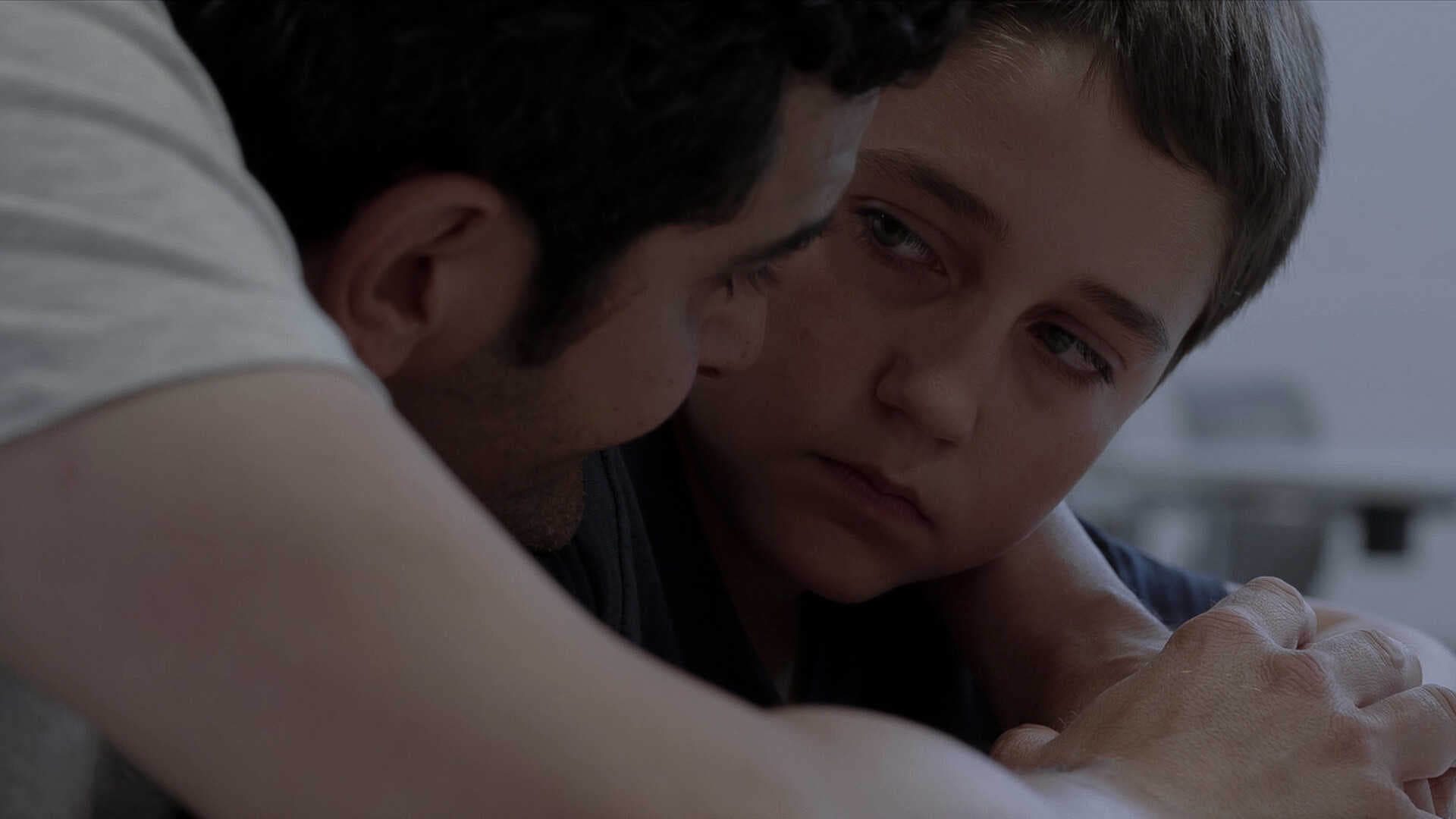



Lucien - 11 - lives retired with his mother Cécile and his older brother in a village in the Ardennes. He is a secretive boy who avoids contact as much as questions. When his grandmother dies, a prison release is granted to his father to attend the funeral. Seeing his father grieve, handcuffed and protected from the popular fury by an impressive police deployment hurts Lucien. Against the advice of his family, Lucien decides to see his father again. At the risk of losing everything...
Adam Sandler goes hard as an NBA scout in this male-heavy sports-drama.
Another uneven "Guess Who's Coming to Dinner" redux that says nothing novel about its subject matter.
The Night Doctor achieves telling an original story in which the pace accelerates progressively while supported by dark aesthetics.
This horror movie combines elements of horror and babysitting with Black representation.
People are so much deeper and far more extraordinary than what gender they were assigned at birth.