






'Kizazi Moto: Generation Fire' - Mhkuzi: The Spirit Racer
The second episode of the highly anticipated Afrofuturism series delivers with a high-speed race teaching us to go far beyond just accepting ourselves.
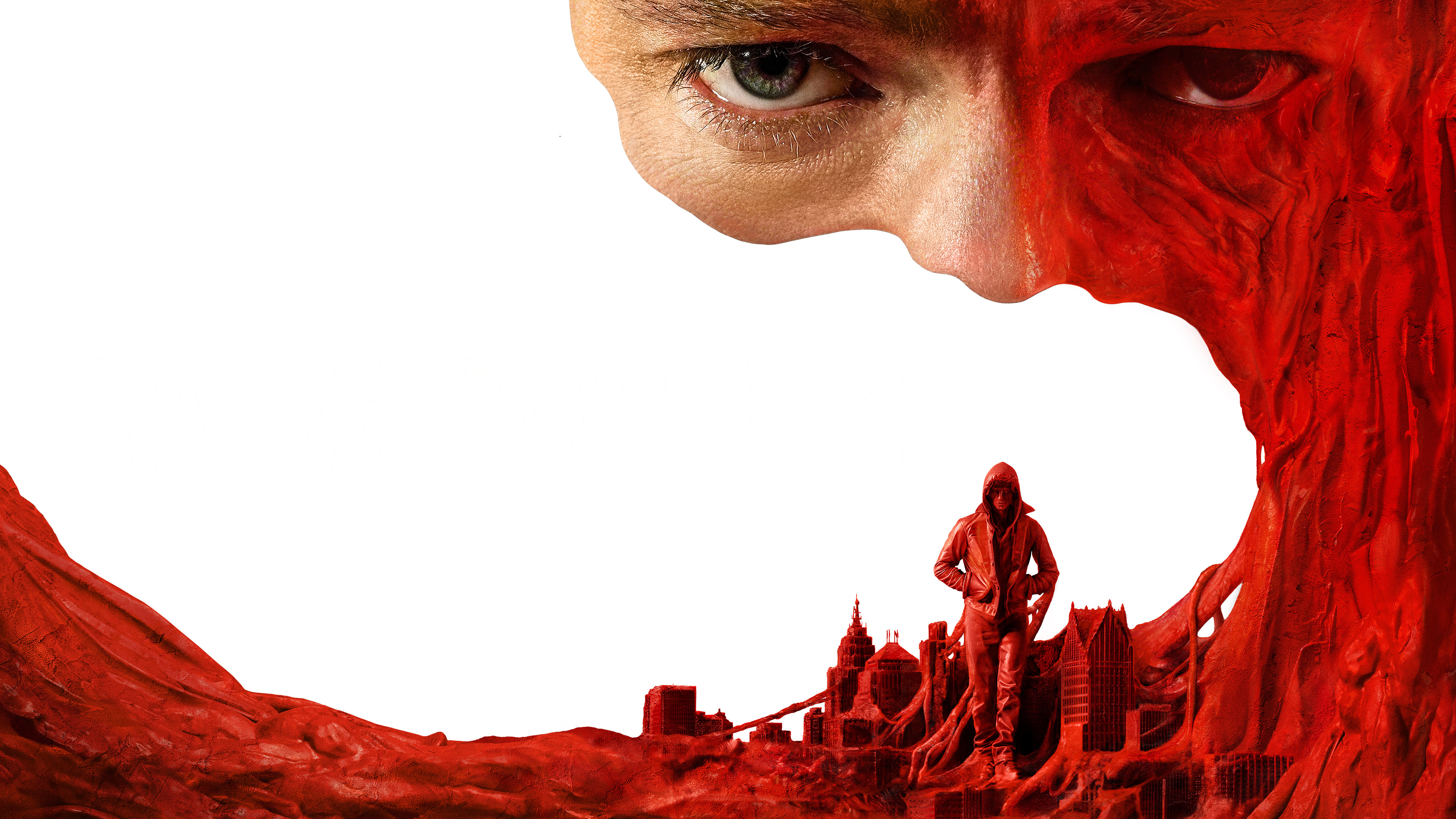
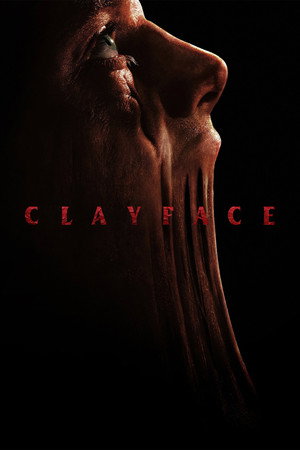


In basic storytelling, there is an idea called “save the cat.” It states that a protagonist should do something heroic in the film to help the audience get behind her and her cause. For example, saving a cat from being stuck in a tree. Now, it’s true that not every protagonist needs to save a cat, strictly speaking. The problem with Clayface is that the main character, Matt Hagen (played by Tom Rhys Harries), not only metaphorically fails to save a cat, he instead kidnaps that cat, holds it for ransom, burns it, and throws its ashes into a dumpster after pocketing its owner’s money.
That doesn’t actually happen in the film, but, point being, Clayface has a main character who is absolutely awful. He is a mass murderer, without any justification, who likes to sexually pursue other people’s partners. This means that we are without a strong protagonist most of the runtime. There are a couple characters who could serve as the film’s moral center, most notably Dr. Caitlyn Corr (played by Naomi Ackie), but they don’t have enough screentime or make enough pivotal decisions.
Horror films almost always need a strong protagonist, because in order to be scared of the antagonist, we need to be concerned for somebody’s well-being. Not only does Clayface not capitalize on the potential for a strong protagonist, it also features an incredibly weak and generic antagonist. David Dencik plays Markos Szabo, a mob boss that feels less like he belongs in a 2026 feature film and more like he belongs in a 1940s Looney Tunes cartoon. Perhaps that works with Clayface being a character from Batman, a noir comic series from the early twentieth century, but that feels less like a reason and more like an excuse.
2026 is proving that horror films do not necessarily need heroic protagonists. Both Backrooms and Obsession feature protagonists that do awful things, specifically towards women. Wouldn’t both of those films break the “save the cat” rule? But the difference is that the moral center of the movie is against those characters; their mistakes are the impetus for the plot and come back to haunt them in gruesome ways. In Clayface, it is Dr. Corr’s incompetence, not Hagen’s evil, that acts as that impetus and ultimately leads to Hagen’s downfall.
That, and, Backrooms and Obsession are way cooler than Clayface. But that isn’t an apples-to-orange comparison, since the first two scare you with completely different tactics than Clayface. What is an apples-to-apples comparison is other body horror films, like The Thing, The Fly, this year’s Resident Evil, and most aptly, The Substance. If you’ve seen The Substance, imagine that movie but devoid of creativity or meaning. There are maybe two or three shots that really capitalize on the potential of this premise, but otherwise, it feels shockingly PG-13.

Matt Hagen's meteoric rise from Gotham street kid to Hollywood leading man is tragically cut short when a local crime boss's actions leave him horribly disfigured. Abandoned by his team and with nothing left, Matt seeks out a cutting edge treatment that miraculously returns him to his former self… but also unexpectedly affects his grip on reality, spiraling him down a destructive path of all-consuming revenge.
The second episode of the highly anticipated Afrofuturism series delivers with a high-speed race teaching us to go far beyond just accepting ourselves.
In all actuality, “Just Mercy” should be labeled a “wall punching narrative.” Constantly, the flick throws high forms of adversity our way, amping up our most inner levels of discomfort. Filmmaker Destin Daniel Cretton wonderfully paces the film in such a way that replicates the slow-burn nature of justice.
A trio of girls form a band and enter a singing competition together after learning they work best as a team.
I think that the happiness and survival of "Wynonna Earp"’s LGBTQ+ characters is incredibly refreshing in contrast to the prevalence of queer suffering and death in other television.
This magical reboot introduces a new set of Charmed ones, much to the ire of fans of the original series.
Miley Cyrus makes a revival in this Disney+ documentary on her recent album Endless Summer Vacation.