Incluvie – Better diversity in movies.
Identity in film with Incluvie stamps, scores, reviews.

Incluvie – Better diversity in movies.
Explore identity in film with Incluvie stamps, scores, reviews, and insights.

trailer banner
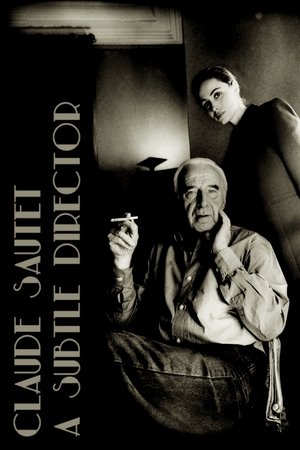
Claude Sautet: A Subtle Director poster

Claude Sautet: A Subtle Director 

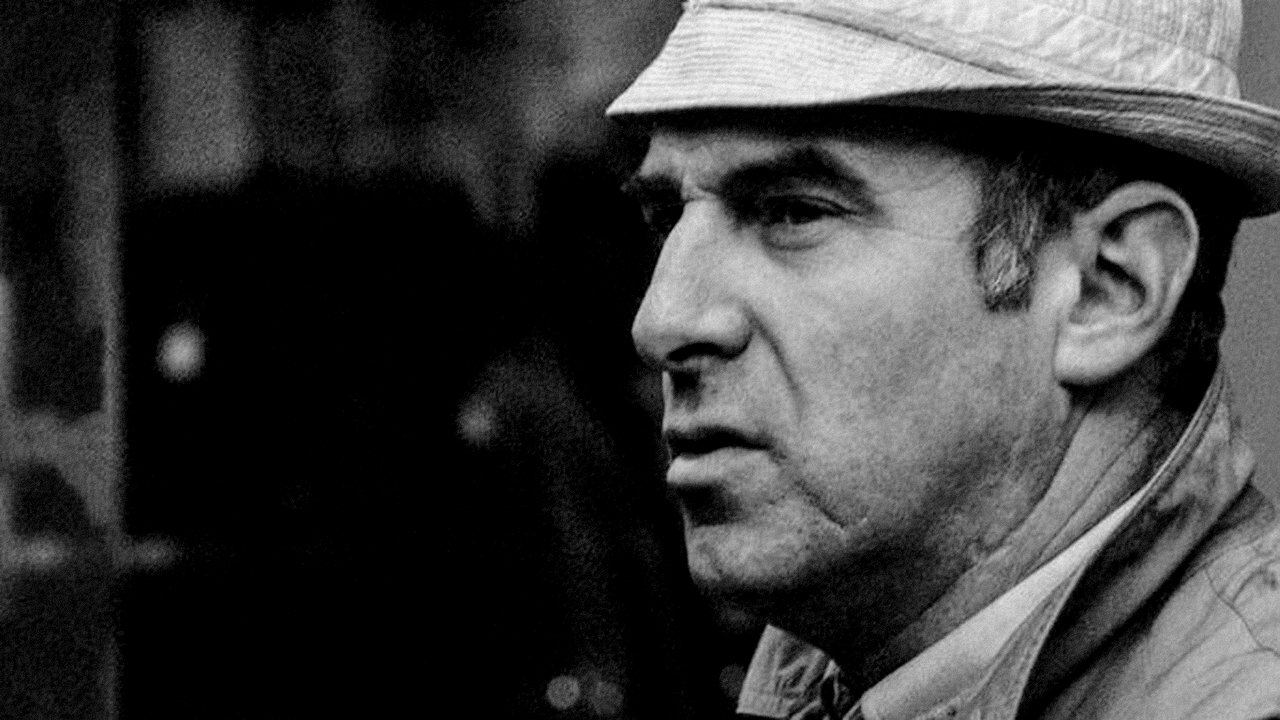
Claude Sautet (1924-2000), the filmmaker of human emotions, portrayed everyday life in France in the 1970s and 1980s in a unique way, thanks to the creation of very real characters and plausible situations, thus becoming one of the most beloved French directors of his time.
- / 5
PopScore
Representation

Pictures and Videos


Incluvie Gala

Movie Information


Claude Sautet (1924-2000), the filmmaker of human emotions, portrayed everyday life in France in the 1970s and 1980s in a unique way, thanks to the creation of very real characters and plausible situations, thus becoming one of the most beloved French directors of his time.

Rating:
Genre:Documentary
Directed By:Amine Mestari
Written By:Thomas Boujut, Amine Mestari
In Theaters:
Box Office:

Runtime:52 minutes
Studio:Goyaves, ARTE

Articles You May Like


Why "The Birdcage" is Still Worth Celebrating 25 Years Later

Perhaps the most amazing and groundbreaking quality about The Birdcage is how removed it is from both illness and insensitivity. Whereas films preceding it were often somber stories about the tribulations of being gay in a conservatively straight world, Nichols and screenwriter Elaine May expose the fallacies of conservatism as traditional values are thrown into a more open-minded space. They don’t care how far the community has fallen so much as how high they can rebuild themselves.

Matt Geiger

"The Father" is a Depressing But Insightful Look at Dementia

With The Father, writer-director Florian Zeller- who wrote and developed the play upon which the film is based- pulls no punches as he confidently makes every effort to put the audience in the mind of someone whose grip on reality has all but vanished. It’s a dazzling testament to Zeller’s abilities as a director as he makes his first transition from stage to film appear as if he’s been working behind a camera his entire career. The dialogue he fashions with co-writer Christopher Hampton, along with the work of production designers Peter Francis and Cathy Featherstone, collectively makes the downward spiral of dementia startlingly tangible, doing so in a way that can be comprehended by everyone except the person it directly affects.

Matt Geiger