
Writing Great Villains: Why They Shouldn't Be Sympathetic
Writing great villains is about striking a balance between charming and evil, so we love them but also love to see them lose.
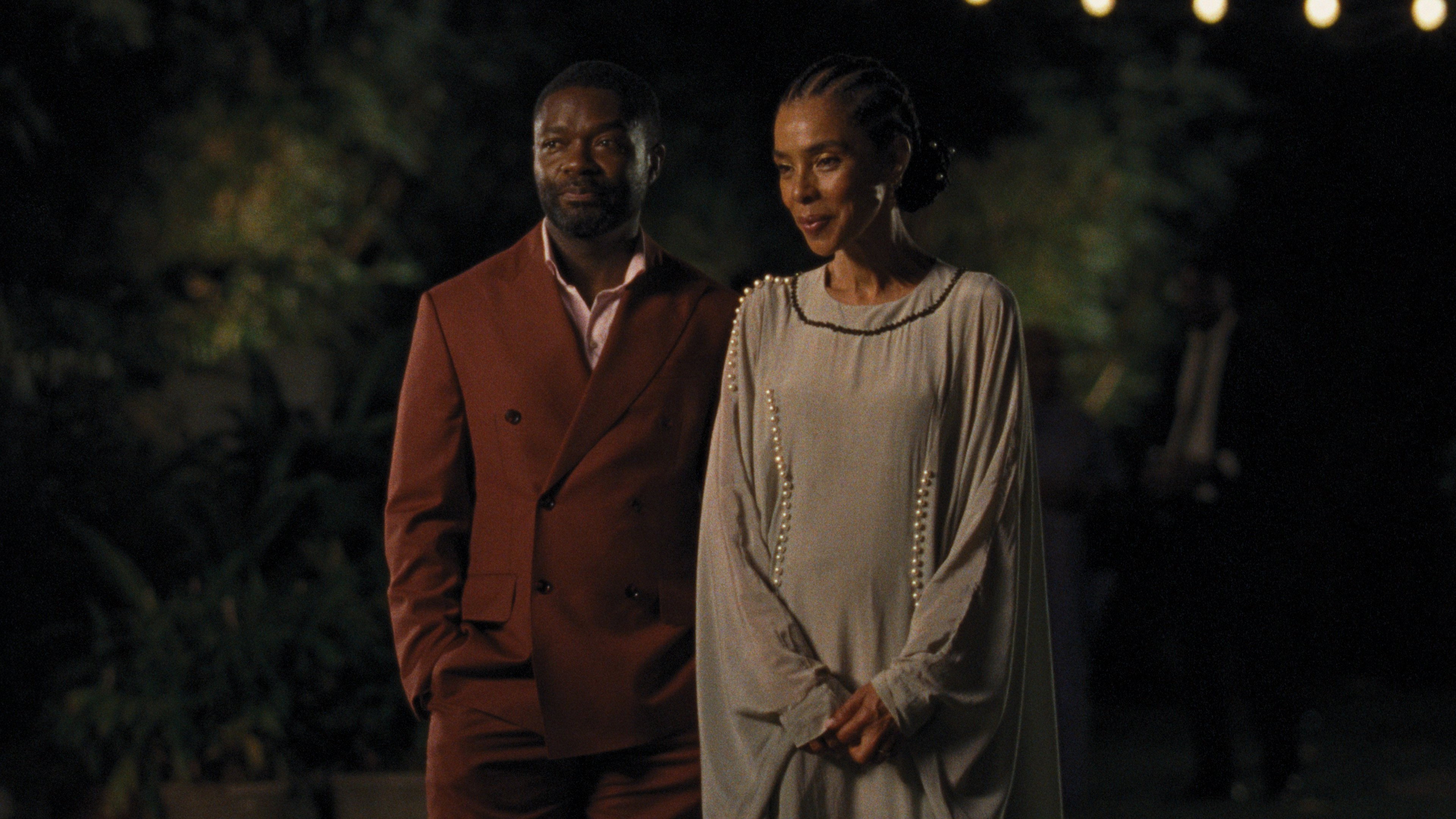
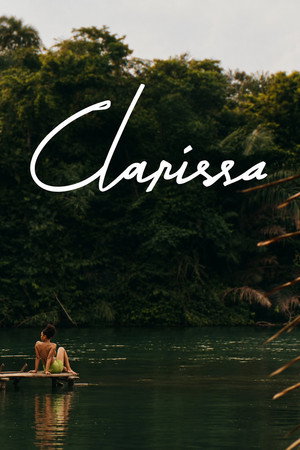


A modern reimagining of the Virginia Woolf novel Mrs. Dalloway. Follows society woman Clarissa as she prepares to host a party at her home in Lagos, Nigeria, where she will unexpectedly encounter once-intimate friends from her youth. As the group reflects on their shared past over the course of a single night, memories of their intricate relationships, passionate love, hidden desires, and lost aspirations give rise to bittersweet reckoning.
Writing great villains is about striking a balance between charming and evil, so we love them but also love to see them lose.
The 2019 film, Vai, takes us through eight stories across the islands of Oceania. The settings are unbelievably beautiful, the cast is beautiful, the languages are beautiful, and the stories are beautiful…but heartbreaking.
When diverse representation is featured on-screen, it oftentimes comes with strings attached that undermine the message they were trying to send. This can be attributed to the fact that behind-the-screen, the industry primarily does not reflect the breadth of diverse difference that is present in daily life. That’s why when something as powerful and authentic as Minari comes along, it is both incredibly wonderful and needs a large audience to witness it.
Guillermo del Toro highlights a touch of innocence in the Gothic classic. The journey of Victor Frankenstein defying death gained inspiration from the Eastern energy system that is named ‘Qi’ and the lymphatic system being studied by Muslim scholars.
Lin-Manuel Miranda’s 'Vivo' is a children's animated musical rich in Hispanic culture! The story follows a kinkajou as he delivers a love song for a friend.
It’s 2021 and what few LGBTQ+ films that are produced by major film studios continue to star cisgender heterosexual actors, rather than actual LGBTQ+ people.