Hitchcock's Subtextual Coding in 'Rope'
Hitchcock is no stranger to innuendo, as was common in that era, but there was something so sophisticated about his approach to 'Rope', and it starts in the first frame.
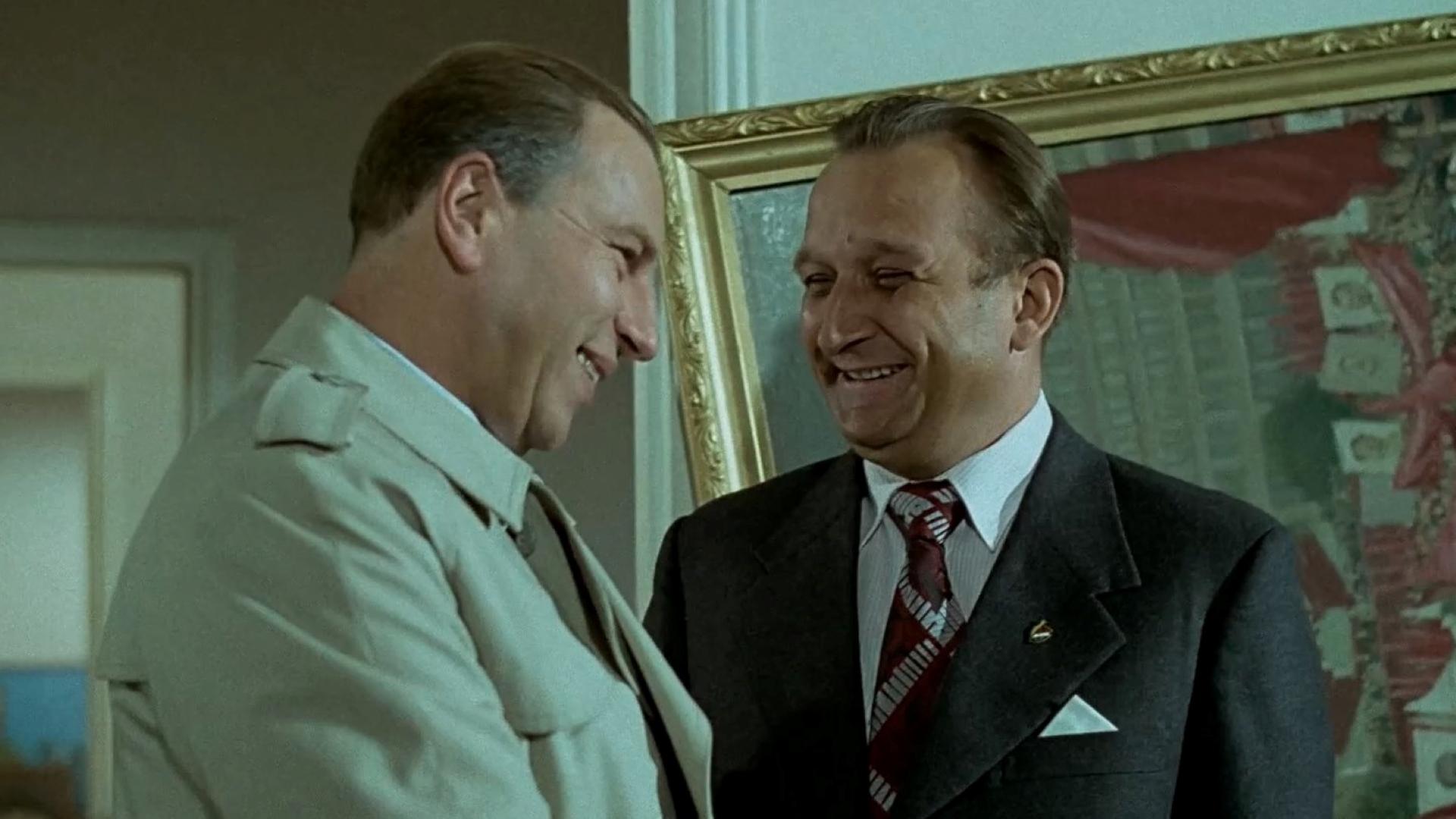
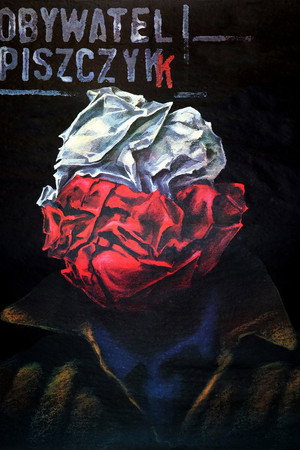


This film is a sequel to Munk's Zezowate Szczescie and it's much the same, only more so. The film begins in a cinema, where the last scenes of Zezowate Szczescie are being shown. Born unlucky, a victim of the errors and distortions of Stalinism, he is released in 1956. He meets a politically feverish woman, her influential parents, and finally becomes the father of her child. But bad luck, or perhaps an unlucky era, will not let him forget.

Andrzej Kotkowski
Director

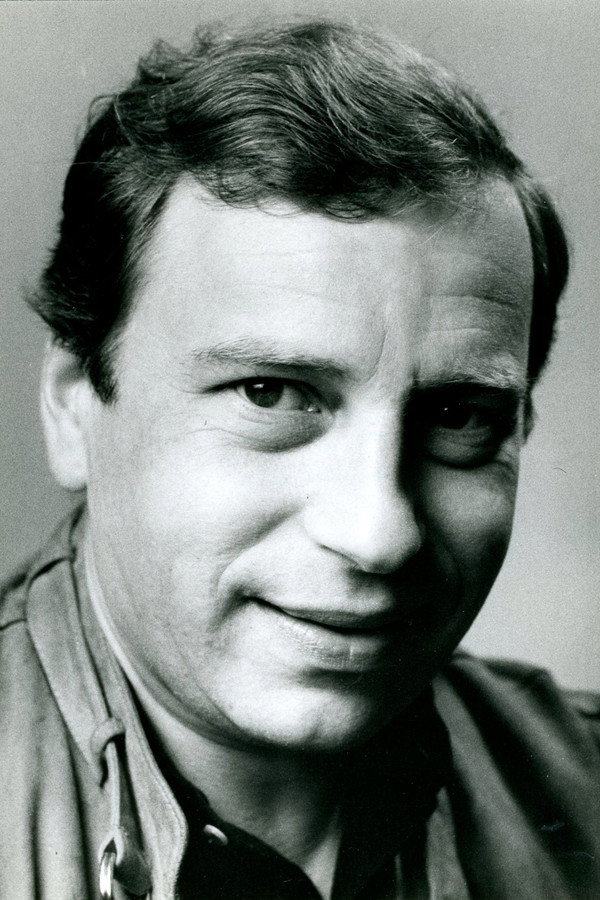
Jerzy Stuhr
Jan Piszczyk

Maria Pakulnis
Renata

Kazimierz Kaczor
Zdzisław Pasionka
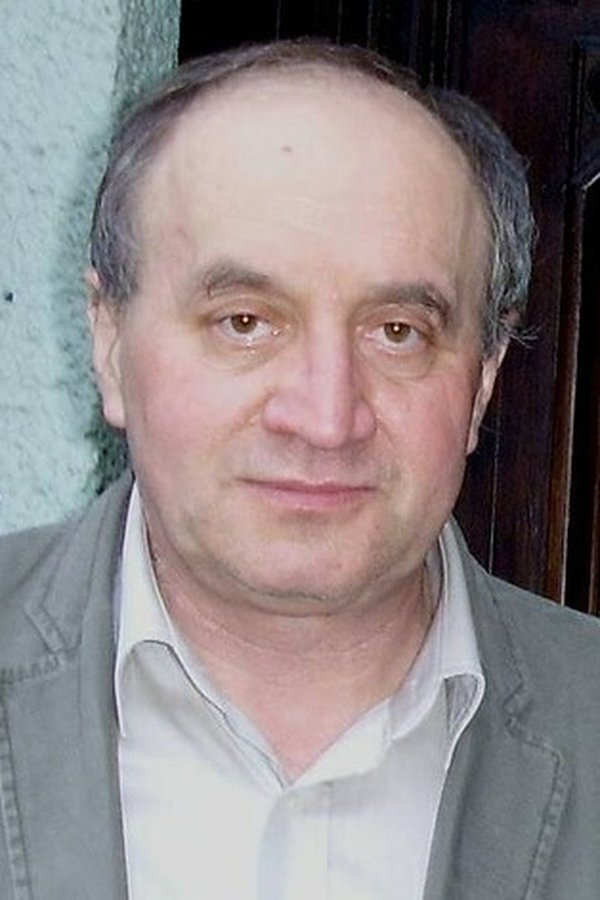
Krzysztof Zaleski
UB Captain

Krystyna Tkacz
Liliana
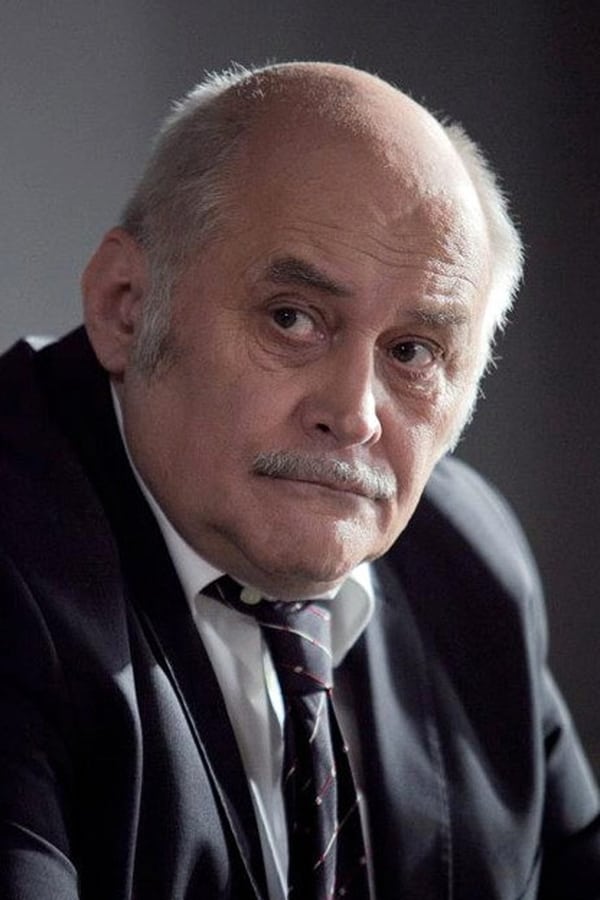
Grzegorz Warchoł
Władek Weronicki
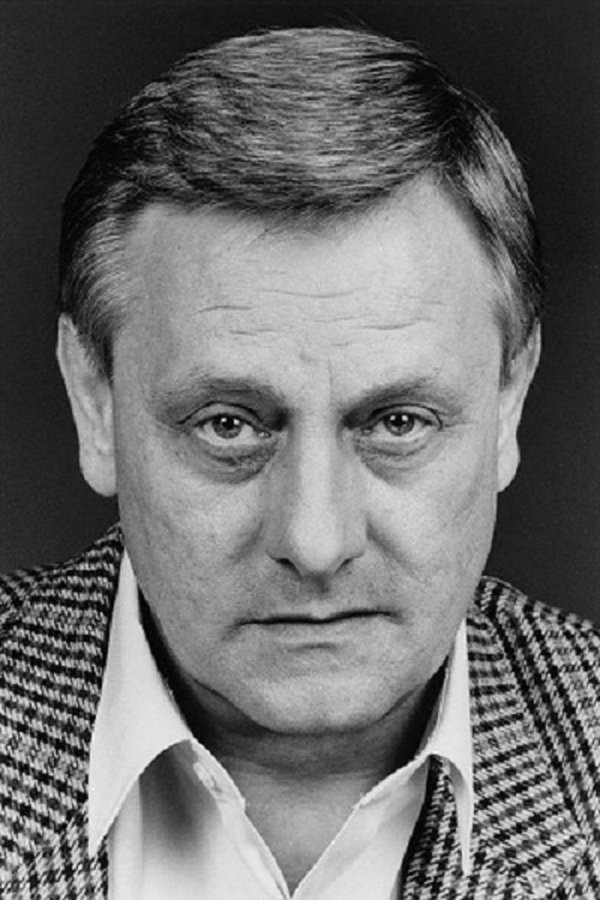
Janusz Bukowski
Prison Warden
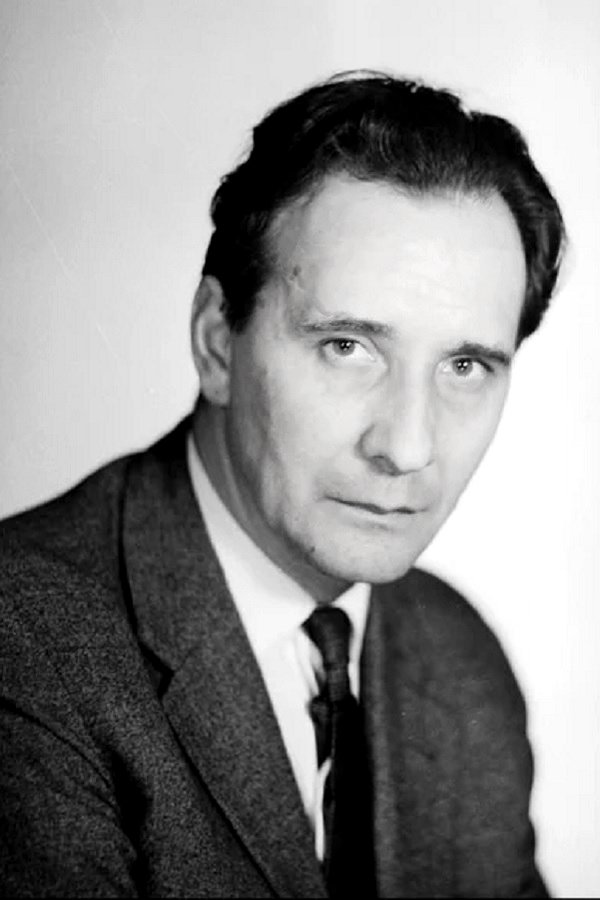
Andrzej Szczepkowski
Fabian Tubalny

Jerzy Zass
Corporal

Irena Kownas
Renata's mother

Leon Niemczyk
Leon, Renata's father
Hitchcock is no stranger to innuendo, as was common in that era, but there was something so sophisticated about his approach to 'Rope', and it starts in the first frame.
As Andrew’s life begins to change, his passion for drumming soon becomes a spiraling obsession in the pursuit of perfection. Through the use of disturbing and abusive training methods, Fletcher puts Andrew through emotional and physical agony.
This animated movie focuses on Nick Daley, the son of Larry Daley, as "Kahmunrah Rises Again."
When it comes down to it, The English explores what happens when power is unchecked and how those who seem powerless, have more strength than most through their convictions for justice.
Disclosure Day asks us to question humanity's role in the universe but falls victim to the same assumptions of centrality.
The differences in these films could not be more blatant, and yet Gus Van Sant has found a way to portray the same messages and use the same techniques in each.