“Disclosure Day” and Anthropocentrism
Disclosure Day asks us to question humanity's role in the universe but falls victim to the same assumptions of centrality.




Cinématon is a 156-hour long experimental film by French director Gérard Courant. It was the longest film ever released until 2011. Composed over 36 years from 1978 until 2006, it consists of a series of over 2,821 silent vignettes (cinématons), each 3 minutes and 25 seconds long, of various celebrities, artists, journalists and friends of the director, each doing whatever they want for the allotted time. Subjects of the film include directors Barbet Schroeder, Nagisa Oshima, Volker Schlöndorff, Ken Loach, Benjamin Cuq, Youssef Chahine, Wim Wenders, Joseph Losey, Jean-Luc Godard, Samuel Fuller and Terry Gilliam, chess grandmaster Joël Lautier, and actors Roberto Benigni, Stéphane Audran, Julie Delpy and Lesley Chatterley. Gilliam is featured eating a 100-franc note, while Fuller smokes a cigar. Courant's favourite subject was a 7-month-old baby. The film was screened in its then-entirety in Avignon in November 2009 and was screened in Redondo Beach, CA on April 9, 2010.

Gérard Courant
Director

Gérard Courant
N°0 / N°1000 / N°1001 / N°2000 / N°3000
Alain-Alcide Sudre
N°5
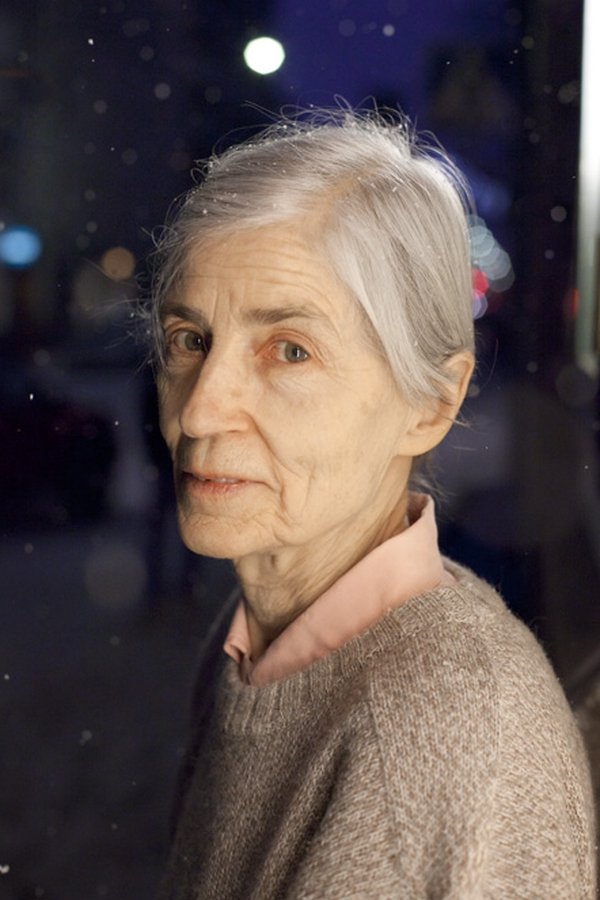
Rose Lowder
N°6

Bernard Roué
N°7

Dominique Noguez
N°8 / N°71 / N°319

Katerina Thomadaki
N°9
Martine Elzingre
N°12

Teo Hernández
N°16 / N°481
Gaël Badaud
N°17
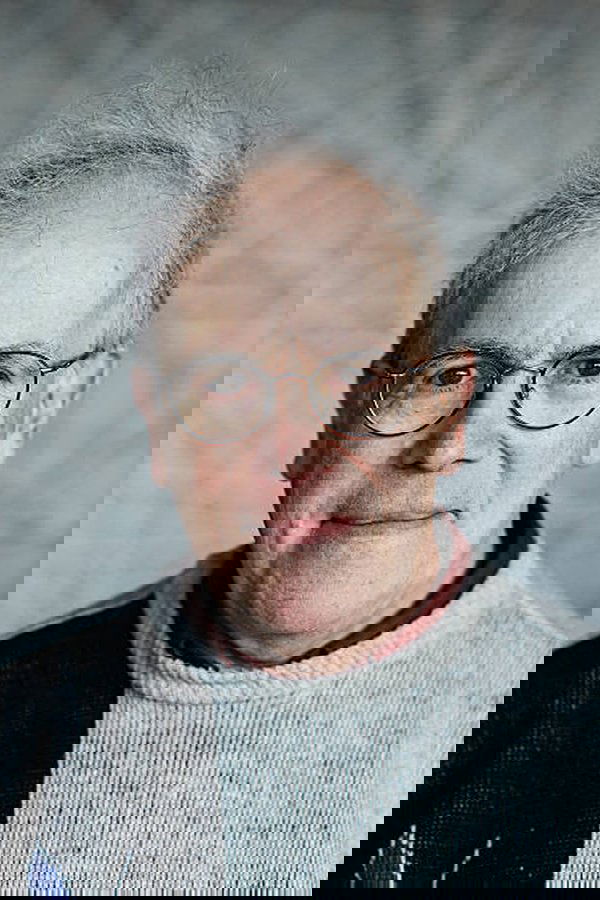
Joseph Morder
N°21 / N°74 / N°323 / N°1968 / N°2119

Martine Rousset
N°22
Disclosure Day asks us to question humanity's role in the universe but falls victim to the same assumptions of centrality.
This film is a splendid mix of mediums, but its strength lies in its simplicity and beautiful message of closeness.
I think these messages and the way they are presented in this small-town in Texas are increasingly more important as the internet/ social media becomes more and more critical and judgemental every day. Love yourself today and every day because as Ru Paul always says: “If you can’t love yourself, how in the hell are you gonna love someone else?”
(Disclaimer: Harmful Language) In celebration of Pride Month, Father's Day, and father figures (and whoever supports you), I revisit Moonlight's brief but spectacular character, Juan. With overarching themes tied to masculinity, I reexamine his intimacy with Little.
Wuthering Heights— What is the cost of love?
The differences in these films could not be more blatant, and yet Gus Van Sant has found a way to portray the same messages and use the same techniques in each.