It’s a bird, it’s a plane…it’s "Harriet"!
This is not a story of oppression but a story of liberation.




When the government opens up the Oklahoma territory for settlement, restless Yancey Cravat claims a plot of the free land for himself and moves his family there from Wichita. A newspaperman, lawyer, and just about everything else, Cravat soon becomes a leading citizen of the boom town of Osage. Once the town is established, however, he begins to feel confined once again, and heads for the Cherokee Strip, leaving his family behind. During this and other absences, his wife Sabra must learn to take care of herself and soon becomes prominent in her own right.

Wesley Ruggles
Director


Richard Dix
Yancey Cravat

Irene Dunne
Sabra Cravat

Estelle Taylor
Dixie Lee

Nance O'Neil
Felice Venable
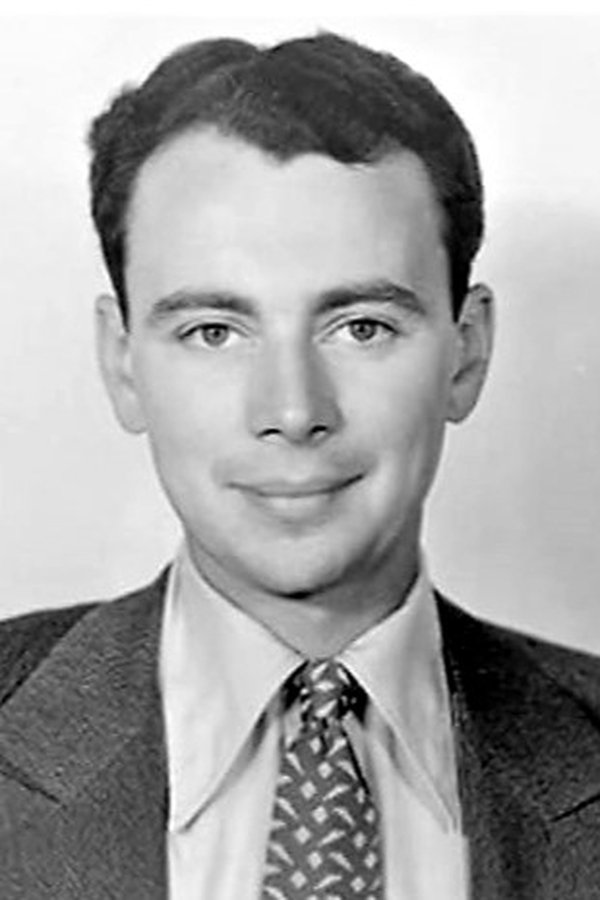
William Collier Jr.
The Kid

Roscoe Ates
Jesse Rickey (as Rosco Ates)

George E. Stone
Sol Levy

Stanley Fields
Les Yountis

Robert McWade
Louis Hefner

Edna May Oliver
Mrs. Tracy Wyatt

Judith Barrett
Donna Cravat (as Nancy Dover)
This is not a story of oppression but a story of liberation.
A brave Indian woman rises from an oppressive background to become an inspired leader for women and men alike around the globe.
A film loosely based on the fairy tale Hansel and Gretel, with major twists to the original story.
The history of Hollywood is as ugly as it is beautiful. Most notably absent from Hollywood history are Black-produced films. “They’ve Gotta Have Us” explores the rise of Black cinema.
"Terrace House" improves on the standard reality TV format by affording its cast privacy, freedom, and respect.
"WHAT ARE YOU WILLING TO SACRIFICE?!!!!" "EVERYTHING!!!!!" This is but one of a multitude of highly emphatic questions, and subsequent answers, being asked in the newest feature film from one of the current masters of horror, Jordan Peele ("Get Out", "Us" and "Nope"). I must give Peele credit in that he continues to push the boundaries of specific genres and their associated tropes in order to provide what ends up amounting to subtly then jarringly intense, yet still character and story-driven, cinema that speaks more to indie stylings than mainstream.