
Chronicle of the End of the World
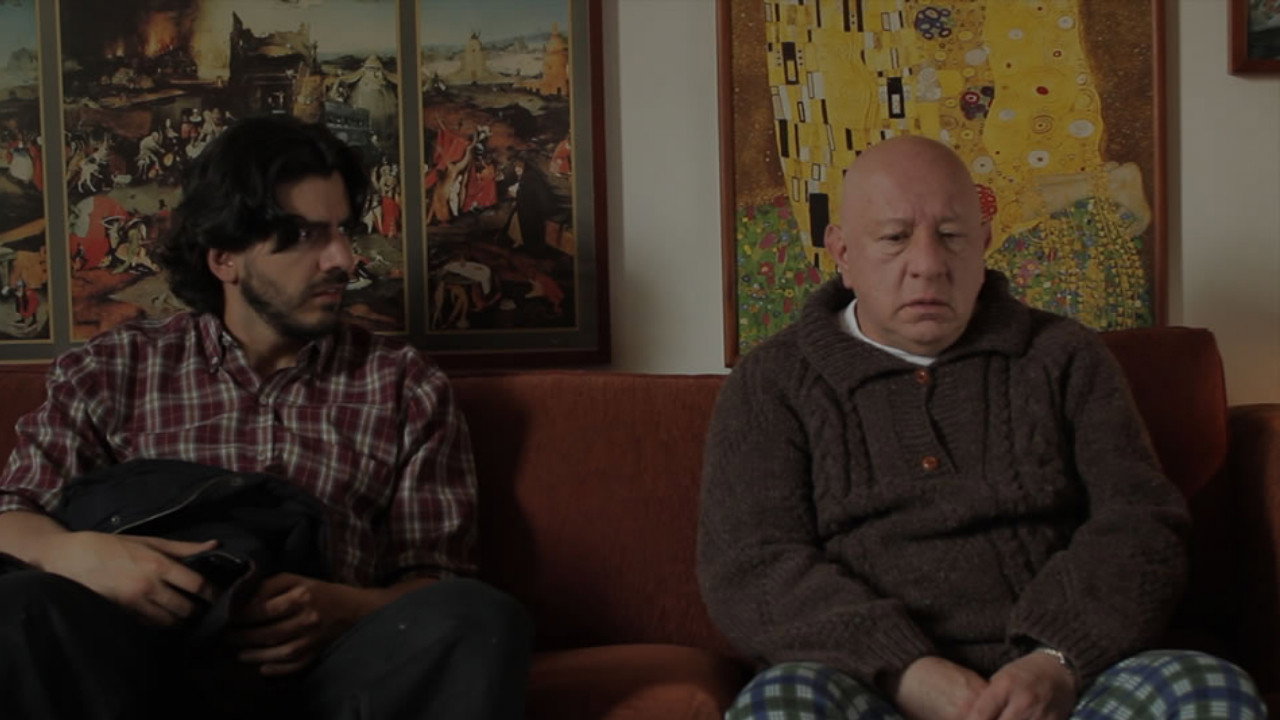
Pablo lives shut up since his wife was killed by a terrorist bomb. He decides to do telephone justice to the despicable people he met. His son, father of a newborn, jobless, is abandoned by his wife. Pablo calls the wrong man. They face an end before the end.

- / 5
PopScore
Representation
Pictures and Videos

Movie Information
Pablo lives shut up since his wife was killed by a terrorist bomb. He decides to do telephone justice to the despicable people he met. His son, father of a newborn, jobless, is abandoned by his wife. Pablo calls the wrong man. They face an end before the end.
Rating:
Genre:Drama
Written By:
In Theaters:
Box Office:
Runtime:85 minutes
Studio:Pez Dorado Producciones



Articles You May Like
It’s a bird, it’s a plane…it’s Harriet!
This is not a slavery story, it is a freedom story. The viewers only see Harriet as a slave for the first few minutes of the film. To me, it felt like watching the origin story of a superhero…which is both good and bad.
In The Heights: The Case for Diversifying Diverse Films
In the film adaptation, director Jon M. Chu turns each musical number into a massive show stopper, with grand set pieces and a wealth of diverse dancers. Yet, in this attempt to show reverence for the people of the Washington Heights barrio, Chu, or maybe more specifically those in charge of casting, left out a crucial part of the community, Afro-Latinos.
The Enduring Beauty of “Persepolis”
This powerful story shines with poetic animation, an exploration of deeper truths, and the protagonist's complex search for identity.
'Blonde' Review: Like a Jeane in a Bottle, Except it’s a Cage
Treated like a granter of wishes for those earning out of retelling the same tragedy, Marilyn looks like she's caged in different stages of trauma for us to stare at, instead of someone we’ve finally allowed to rest in peace.
The Creature of Purity in Frankenstein (2025)
Guillermo del Toro highlights a touch of innocence in the Gothic classic. The journey of Victor Frankenstein defying death gained inspiration from the Eastern energy system that is named ‘Qi’ and the lymphatic system being studied by Muslim scholars.