


'Mulan' and 'Whale Rider': Director Niki Caro's take on Gender Inequality
Indie director, Niki Caro (known for 'Whale Rider') directs the live-action 'Mulan' and sets another example of strong females fighting against gender inequality.
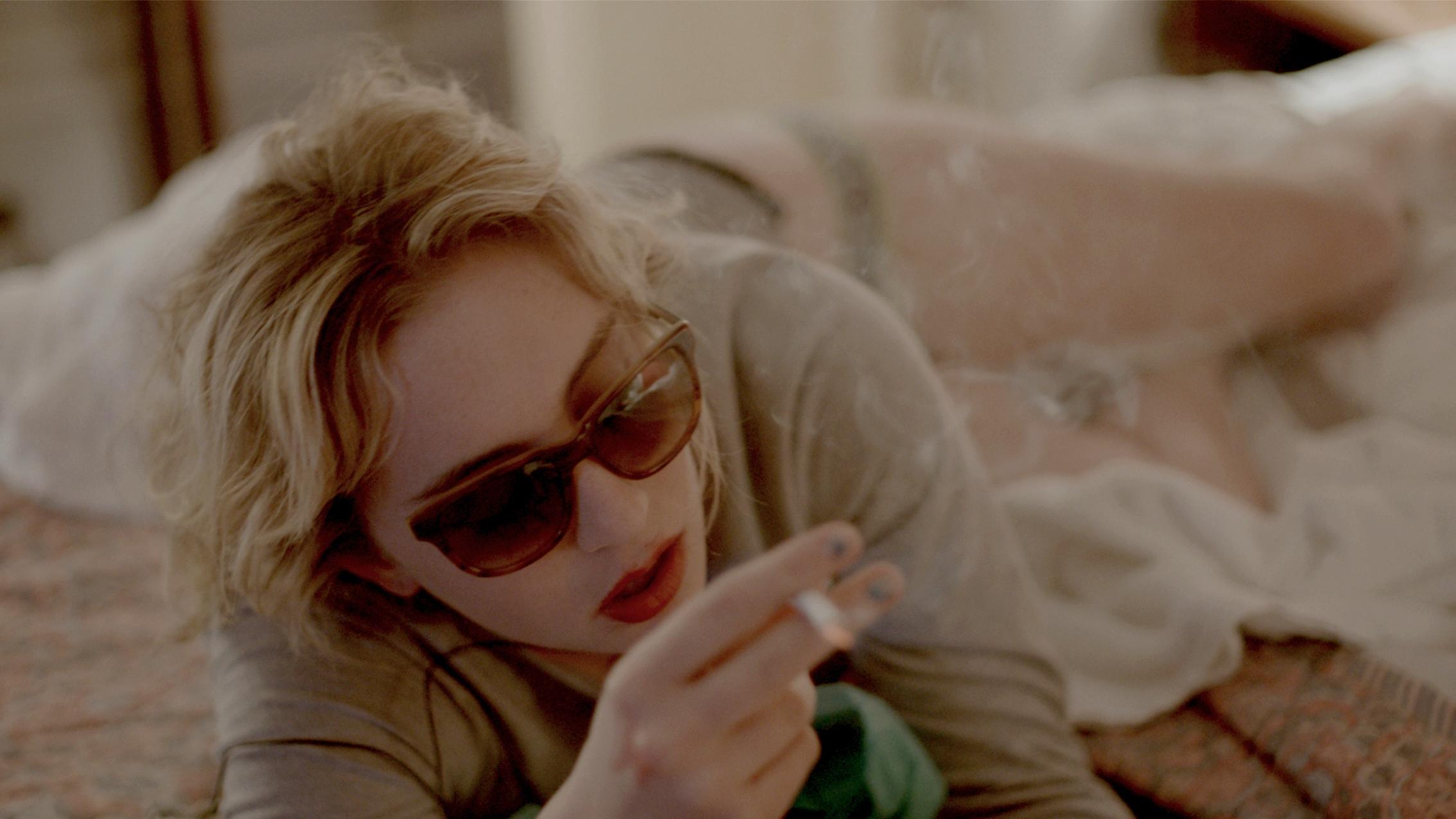



In a loveless relationship, Zoé ditches her faceless boyfriend in a cheap motel room and sets off north without a penny to her name. She hitch-hikes, pilfers a meal from a gas station, encounters strangers who could be her next ride or a passing glimpse, ambling toward some unknown destination. At the end of her pilgrimage, Zoé reaches the English Channel; on the ferry a woman mysteriously disappears. A new coat gives Zoé a new identity, but even in a new country she's not quite sure she's escaped herself.
Indie director, Niki Caro (known for 'Whale Rider') directs the live-action 'Mulan' and sets another example of strong females fighting against gender inequality.
Diversity is incorporated in a way that only aids in a well-rounded conveying of stories through different lenses. The show’s success is a testament to what audiences are craving: authentic stories that broaden the mind and heart.
“Eleanor The Great” is a feel-good story that explores how we cope with grief and loss while educating us about the horrors of the Holocaust.
'Young Royals' is a great example of positive gay representation in its two main protagonists, but the supporting characters are often frustratingly selfish.
Mulan had to struggle to feel like herself and see herself properly. Some of us have to strive to have our reflection mimic what’s inside. We have to crawl. We have to fight.
"Godzilla vs. Kong" is all style and very little substance. It's also the most fun I've had in months.