
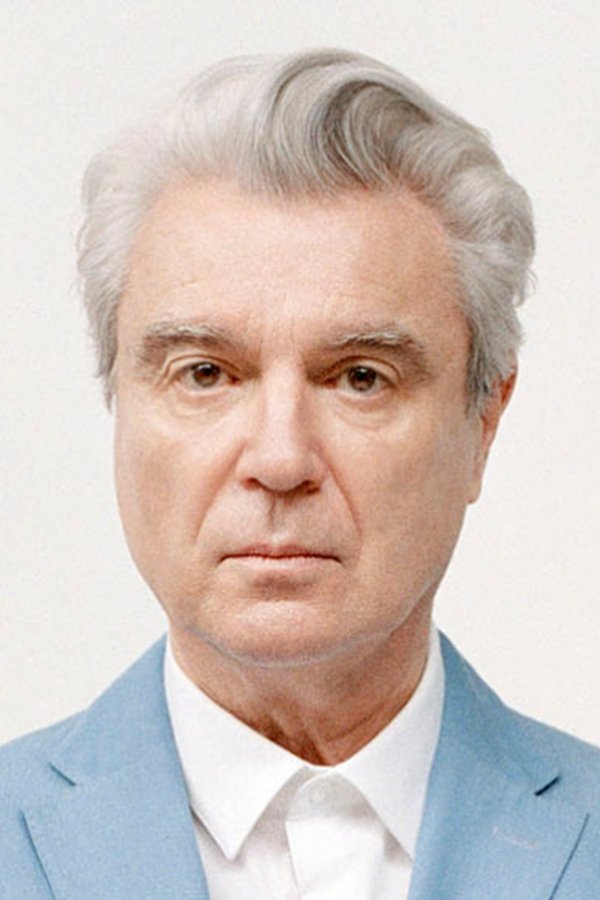
“Uncle Frank”: Acceptance and Queer Representation
Growing up with a lot of siblings, young Beth felt ignored her immediate family. Uncle Frank made her feel seen, heard, and accepted.
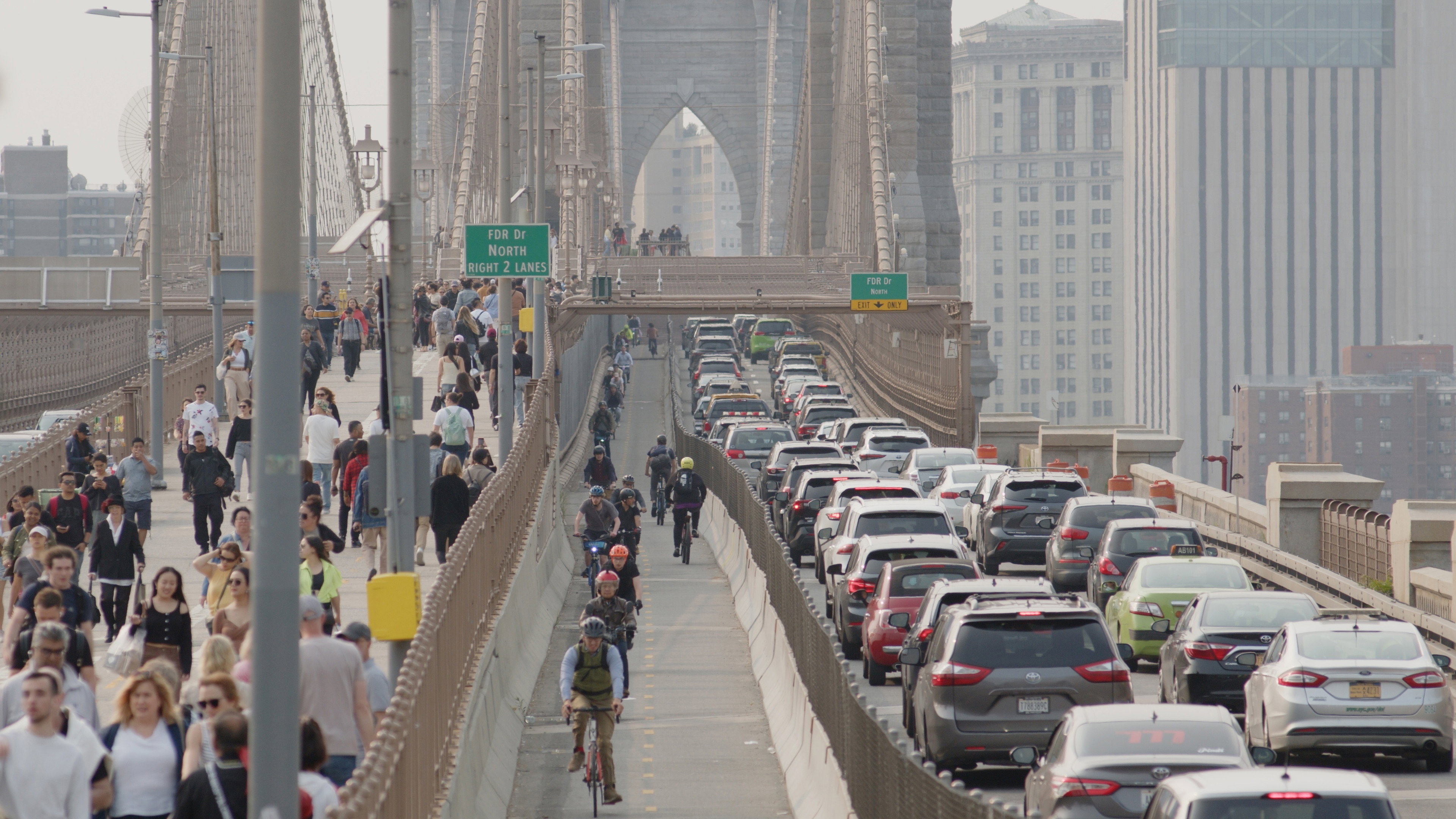
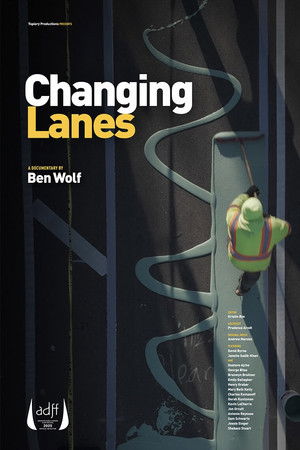


Politics and planning collide in the struggle to redesign Brooklyn's notoriously dangerous McGuinness Blvd.
Growing up with a lot of siblings, young Beth felt ignored her immediate family. Uncle Frank made her feel seen, heard, and accepted.
After We Collided is a sequel to last year’s After, which itself was based on Anna Todd’s 2014 novel of the same name, and which was originally published as a Harry Styles-centric fan-fiction on WattPad (a similar path as E.L. James’ Fifty Shades of Grey series).
Not a lot of people realize that being introverted is not always a permanent state of mind. Being considered an introvert by others is a complicated thing; not everyone likes being labelled “shy.”
The film, which focuses on an Argentinian family during an intimate birthday dinner, efficiently captures the eccentricities of each character as well as the nuances of their interpersonal dynamics.
When it comes the horror genre, I am VERY hard to please or impress, much less scare. Coming from a current mindset of appreciation for chilling, unsettling, tension-inducing efforts such as "Hereditary", "The Conjuring" (ONLY the first one to date, mind you), "Lights Out", "The Babadook", "Midsommar", "Talk To Me", "Oddity", "Bring Her Back", and the like