




Living People in "It Was Just an Accident"
It doesn’t offer an absolute answer for the dialectical ethical questions that emerged in search of justice but portrays the characters as living people beyond the identities of victims.

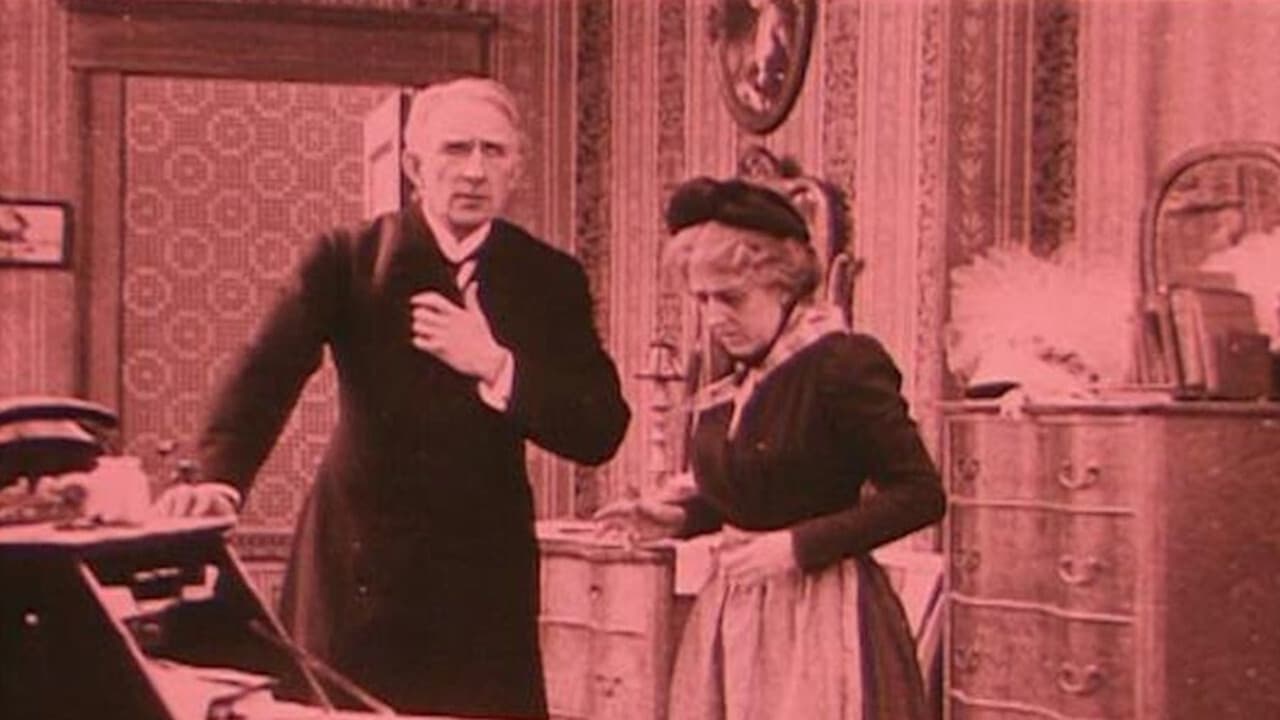
A husband, thinking his wife is unfaithful to her, has a confrontational scene with her, which causes her to have a heart attack and die. He sends his son away until, after a dozen years, he discovers she was true; whereupon he summons his son and, after a bit, they reconcile at her grave.
It doesn’t offer an absolute answer for the dialectical ethical questions that emerged in search of justice but portrays the characters as living people beyond the identities of victims.
Making Apes begins by looking back at the history of makeup effects in Hollywood, which was revolutionized by Jack Pierce, the person behind Frankenstein (1931) and The Wolf Man (1941)
‘Killers of the Flower Moon’ is preoccupied with plot and not on the greater struggle of the Osage.
What starts off as a success story for a single mother living below the poverty line, slowly begins to weave itself into a tangled web of greed, guilt, and destruction.
This story solidified my choices to consume a more plant-based diet and nearly made me cancel my subscriptions to big corporations like Amazon. The narrative was perfectly crafted and on par with Bong Joon-Ho’s other major works; Parasite and Snowpiercer.
"WHAT ARE YOU WILLING TO SACRIFICE?!!!!" "EVERYTHING!!!!!" This is but one of a multitude of highly emphatic questions, and subsequent answers, being asked in the newest feature film from one of the current masters of horror, Jordan Peele ("Get Out", "Us" and "Nope"). I must give Peele credit in that he continues to push the boundaries of specific genres and their associated tropes in order to provide what ends up amounting to subtly then jarringly intense, yet still character and story-driven, cinema that speaks more to indie stylings than mainstream.