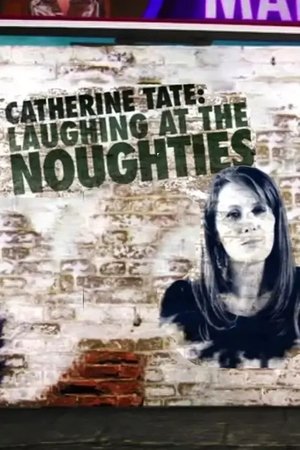
Catherine Tate: Laughing at the Noughties
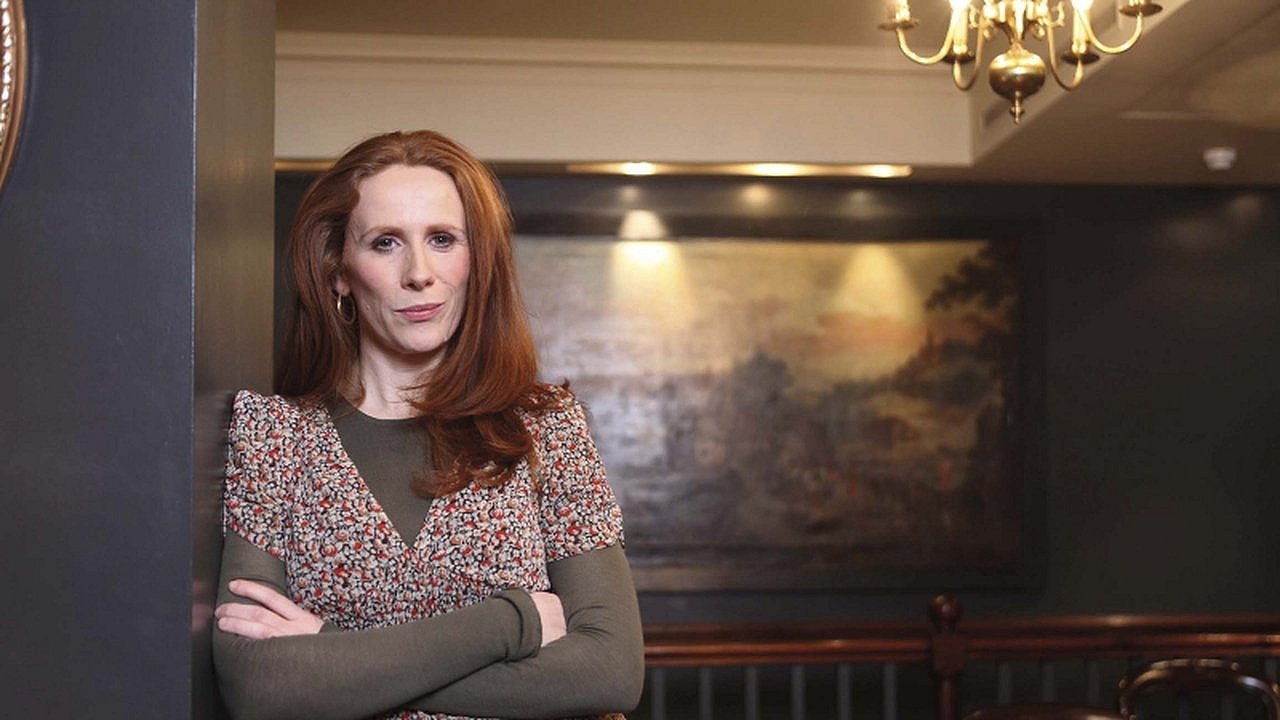
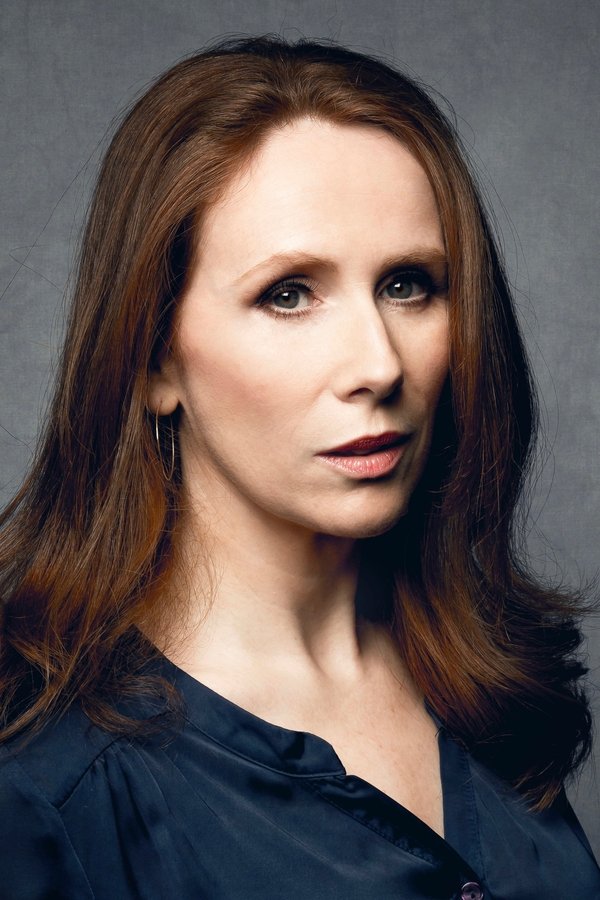
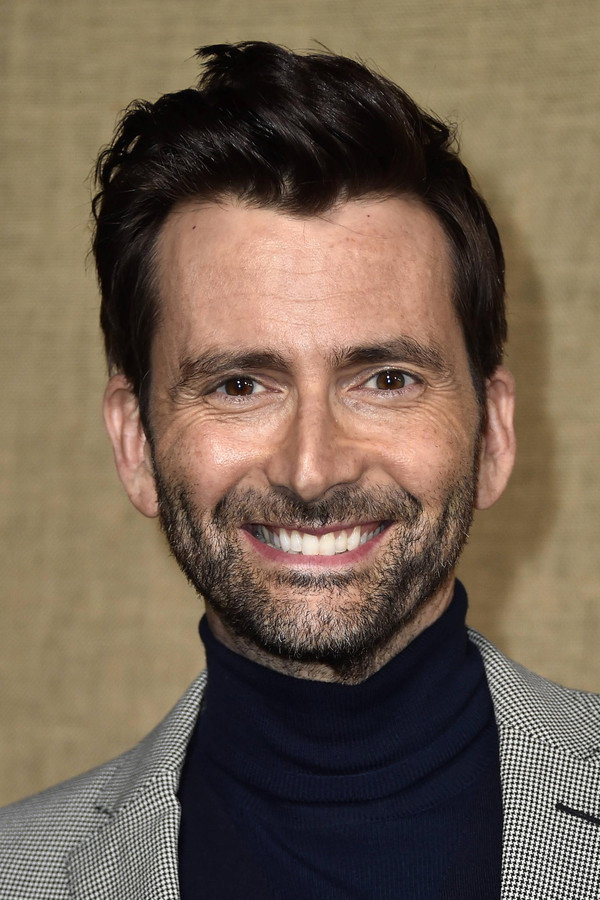
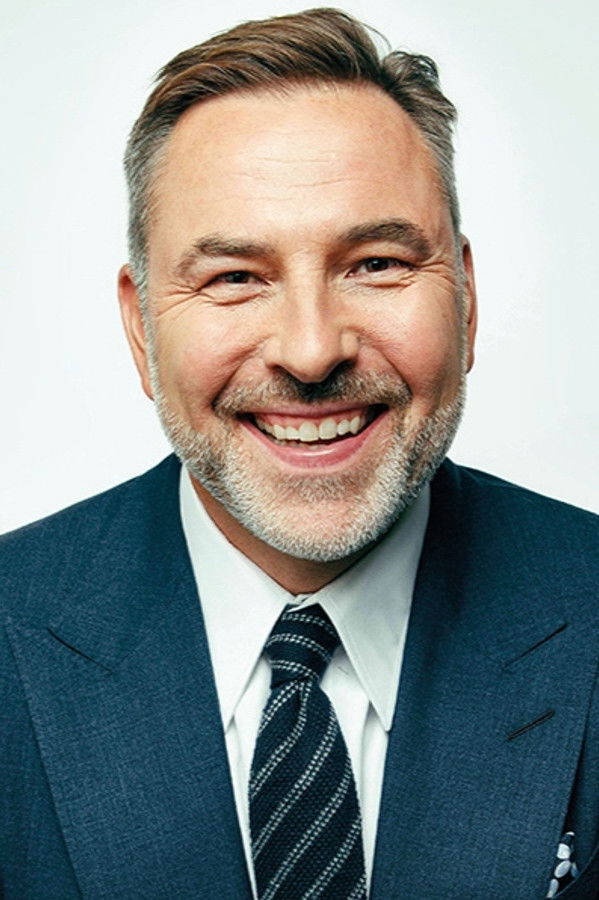
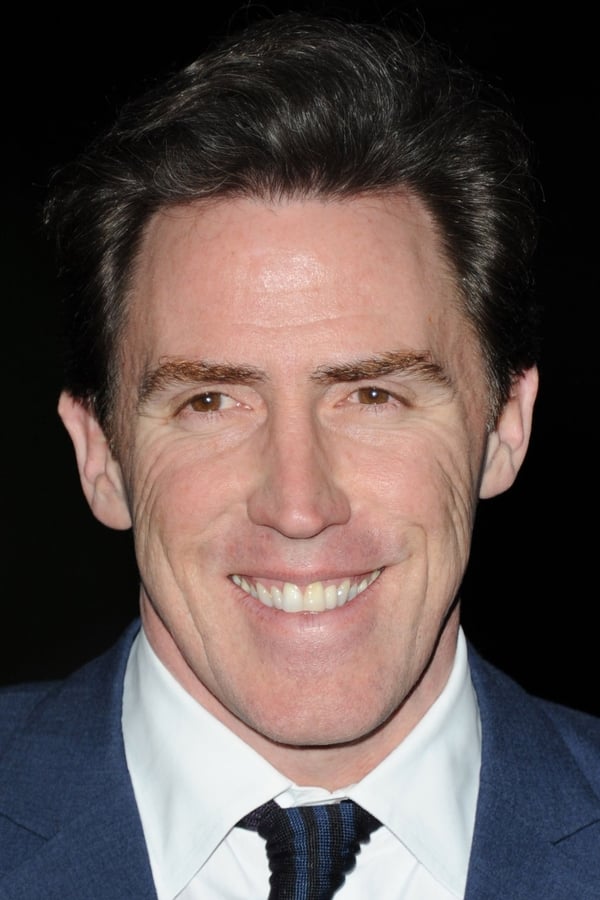
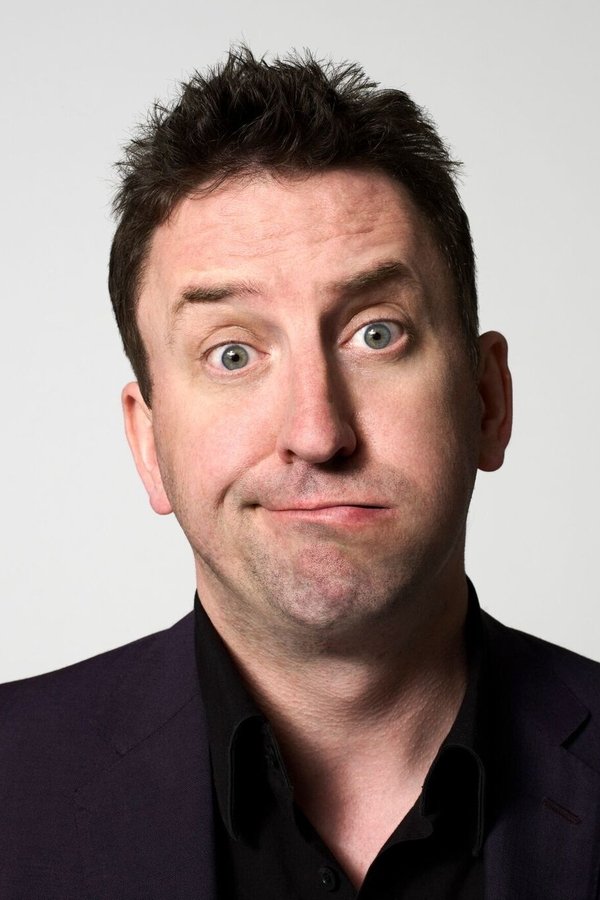
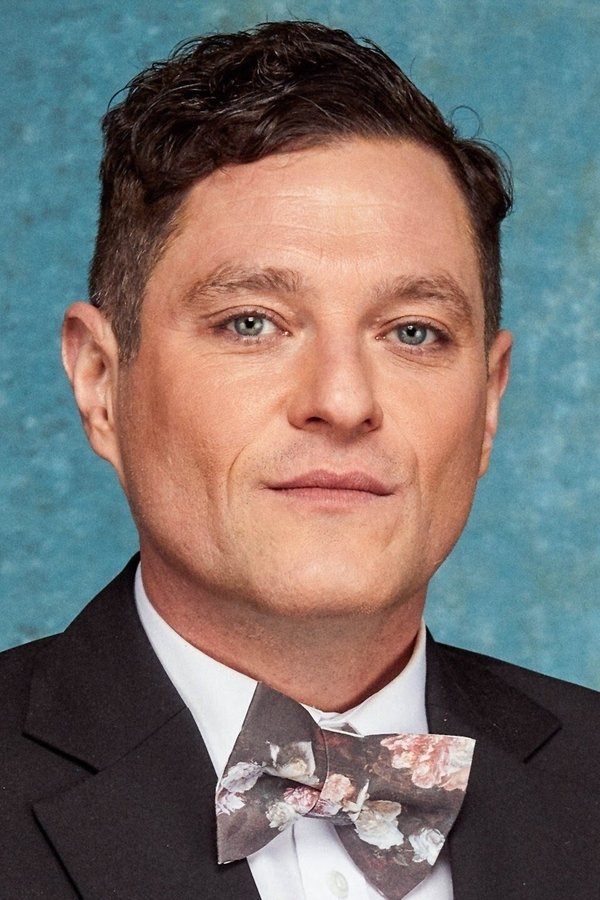
Sketch-show sensation Catherine Tate tells the story of the decade in which she became a household name. She meets with comedy glitterati Alan Carr, David Walliams, Noel Fielding, Rob Brydon and her Doctor Who co-star, David Tennant, all of whom reflect on the greatest comedy moments in recent history. As well as showcasing all the most entertaining, memorable comedy of the time, the documentary also features newsreel and pop culture archive that contextualises the gags. It reveals not just what was funny, but why it was funny. Catherine's journey provides new insight and revelations and features anecdotes from some of the biggest names in comedy.

- / 5
PopScore
Representation
Pictures and Videos

Movie Information
Sketch-show sensation Catherine Tate tells the story of the decade in which she became a household name. She meets with comedy glitterati Alan Carr, David Walliams, Noel Fielding, Rob Brydon and her Doctor Who co-star, David Tennant, all of whom reflect on the greatest comedy moments in recent history. As well as showcasing all the most entertaining, memorable comedy of the time, the documentary also features newsreel and pop culture archive that contextualises the gags. It reveals not just what was funny, but why it was funny. Catherine's journey provides new insight and revelations and features anecdotes from some of the biggest names in comedy.
Rating:
Genre:Documentary, Comedy
Written By:
In Theaters:
Box Office:
Runtime:97 minutes
Studio:Tiger Aspect, Channel 4 Television





Articles You May Like
James Cameron’s Aliens: A Classic Tale, Brimming With Female Empowerment and Social Resonance
James Cameron’s “Aliens” (1986) is a pinnacle of science fiction storytelling. Within this classic monster movie lies a powerful female character, Ellen Ripley (brilliantly portrayed by Sigourney Weaver).
Curb Your Enthusiasm: Latte Larry David Serves Up Spite in the Brilliant Tenth Season
Curb Your Enthusiasm, the improvised Seinfeld, is simply one of the funniest, most brilliant shows on television right now. Following Seinfeld co-creator Larry David and all of his mischievous antics, the series celebrated its 100th episode on Sunday with its Season 10 finale.
Inuit Girls Hunt Alien Monsters in ‘Slash/Back’
Inuit girls use their Inuit tradition to hunt down alien monsters, enough said.
'Double Dad': Who Is Her Real Father?
Vicenza, a Brazilian girl, goes on a quest by herself to find out who her birth father is by gathering clues.
HBO Max: The Best Movies and TV Shows for Diversity
Whether you like cinema classics, sketch comedy, or science fiction, HBO Max has something for you! Check out our top picks for diversity and representation.