
What We Do in the Shadows (of Our Closet Walls)
There’s enough evidence to insinuate that What We Do in the Shadows is intentionally queer-coded.
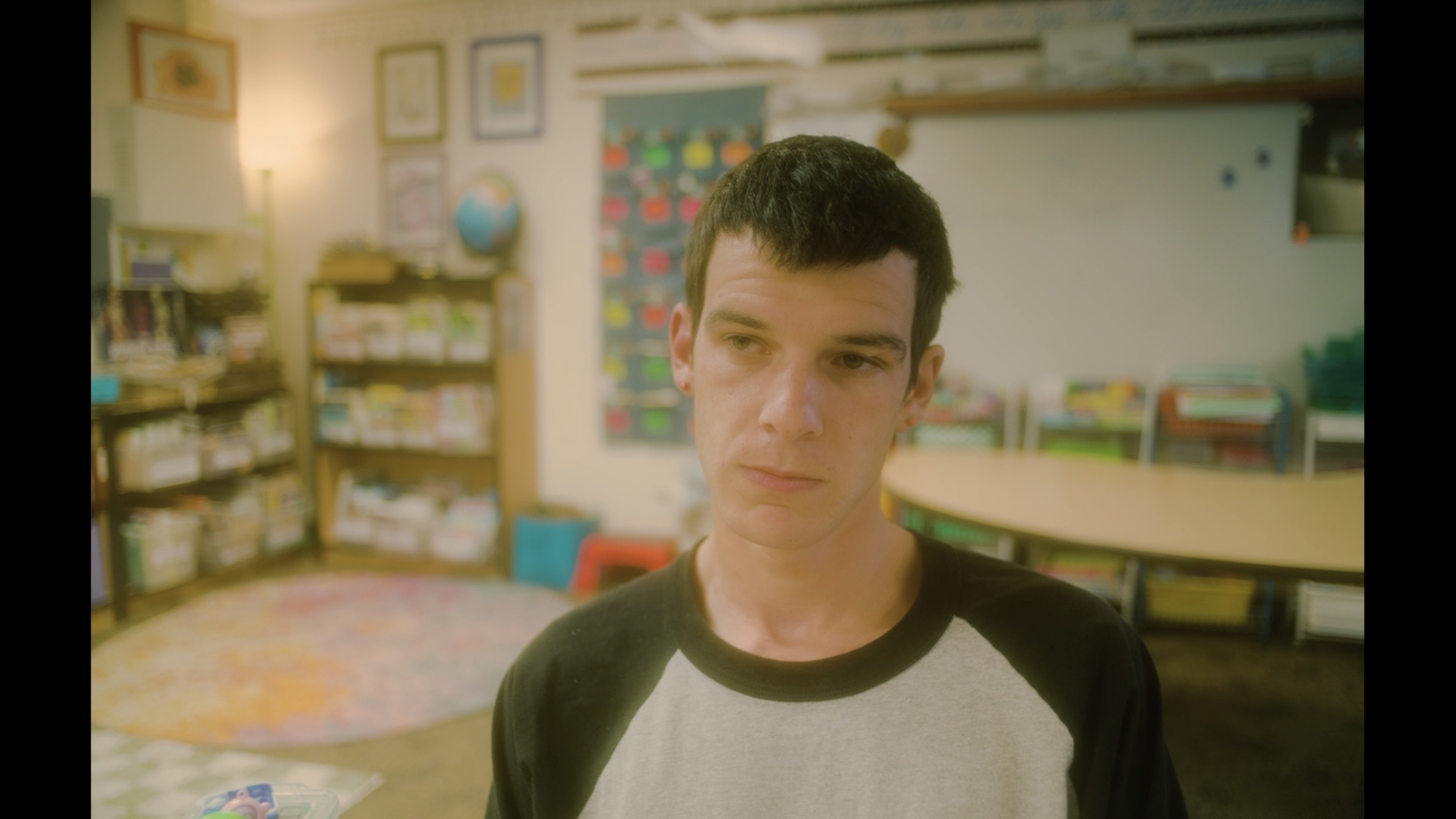



A skinny, manic boy, Julian, sits at the dinner table with his Stepfather and Stepbrother. Julian struggles to cope with the suicide of his mother, along with conflicting viewpoints between Julian and his Stepfather regarding her death. Julian accuses others of his mother's misfortune. The Stepfather regards it as a selfish act, all while they have dinner in honor of her death date.
There’s enough evidence to insinuate that What We Do in the Shadows is intentionally queer-coded.
A Christmas movie that is not about a middle-class, straight relationship but centers on a lesbian couple.
With a quirky outline, Project Hail Mary stays within the bounds of human language and imperial fantasy.
Nightbooks, the newest entry in children's horror, honors classic horror films, focuses on themes of acceptance, and has awesome production design.
In the spirit of Halloween, here's a list of body horror films which can be interpreted as trans allegories.
The plot could’ve really been interesting if the elements of lycanthropy was integrated with perhaps the struggle of identity of being LGBTQ+. It's an experience for so many that as they’re starting to realizing their true selves, they feel like a monster, especially if they come from unsupportive homes or communities. Instead, the horror and transformation elements seem thrown in without contemplation of how this could deepen the narrative.