







There’s No Way That Spider-Man: No Way Home Hits Home
It's chock full of dream-come-true moments for Spidey fans, but its lack of substance reeks of a self-indulgence that is rare even in fan fiction
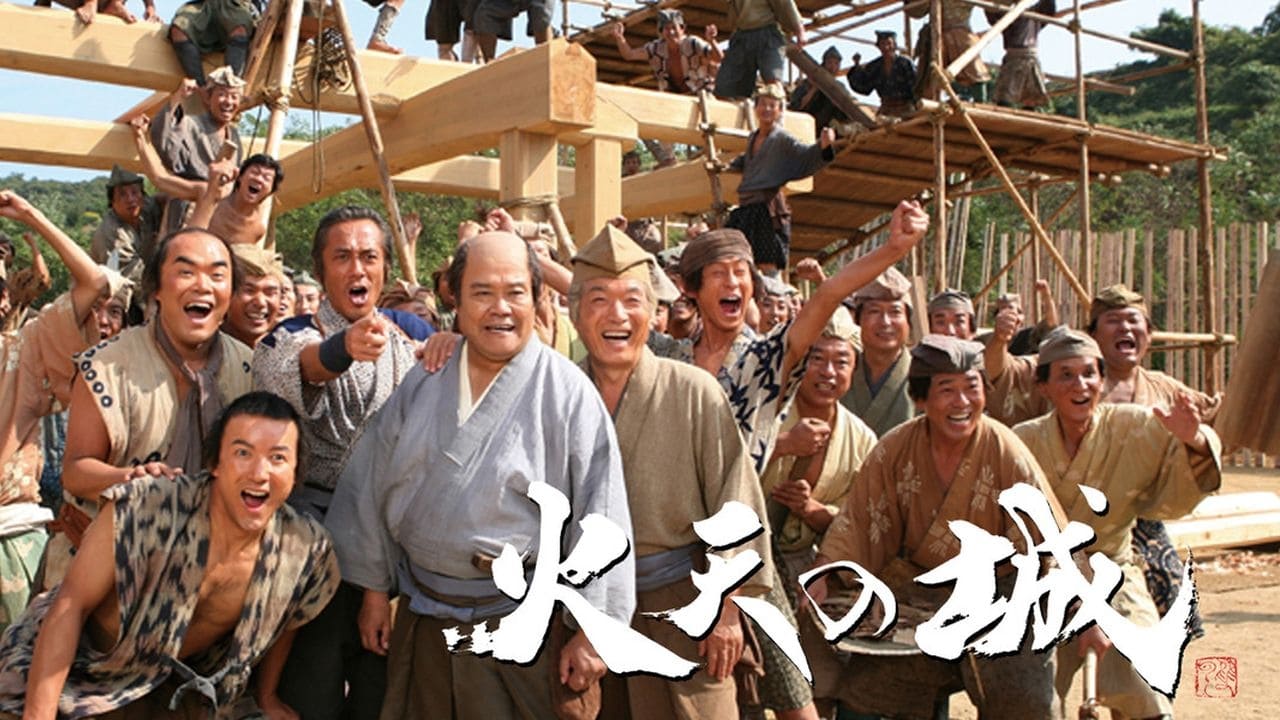



The year is 1575 in feudal Japan. Oda Nobunaga's (Kippei Shiina) forces defeat Takeda Katsuyori, when Nagashino Castle was besieged during the Battle of Nagashino. The next year Oda Nobunada decides to build a lavish new castle symbolizing his unification of various factions. The castle named Azuchi Castle will be built near water and high enough to be seen from the capital city of Kyoto. Director Mitsutoshi Tanaka's adaptation of Kenichi Yamamoto's novel of the same name received the 33rd Japan Academy Film Prize for Excellent Art Direction.
It's chock full of dream-come-true moments for Spidey fans, but its lack of substance reeks of a self-indulgence that is rare even in fan fiction
A refreshing twist is that all the kids’ powers are…kind of useless. There’s a kid who can only move in slow motion, a kid who has every power in the world but can only use them randomly, and our main character Missy who has no powers at all. The thesis of the film seems to be that it doesn’t matter what kind of powers you have, its the way you use them, which is good for the warm and fuzzies.
Fiction doesn't have to be the model for how our real-life pandemic plays out. Here's how we can avoid the dangers shown in "Contagion."
In this coming-of-age movie centered around senior prom, Mandy is anxious about her acceptance into Harvard while she realizes she's missing other opportunities.
Sorry to Bother You ultimately speaks to the unfair advantages that the country’s power structures award to those with the resources to control others, as Lift’s easy access to the media allows his opinion to be the only one that matters in the eyes of the unsuspecting and easily impressed public. Moreover, it reveals the extent to which the American Dream has any true validity. It postulates how the promise of success and fulfillment as promoted by the American Dream more often than not leads to the undoing of the individual. Interestingly, in its revealing of the American Dream as merely a facade, Sorry to Bother You wisely questions whether or not anything can really be done to undo a system that has been accepted and in action for centuries.
This may be controversial… but 'The Marvels' is actually one of the best movies in the MCU. 10 reasons why 'The Marvels' killed it.