


Reflecting on 'The United States vs. Billie Holiday'
Lee Daniels’s Billie Holiday biopic The United States vs. Billie Holiday was released on February 26th, 2021, and my immediate reaction to it was one of discomfort.
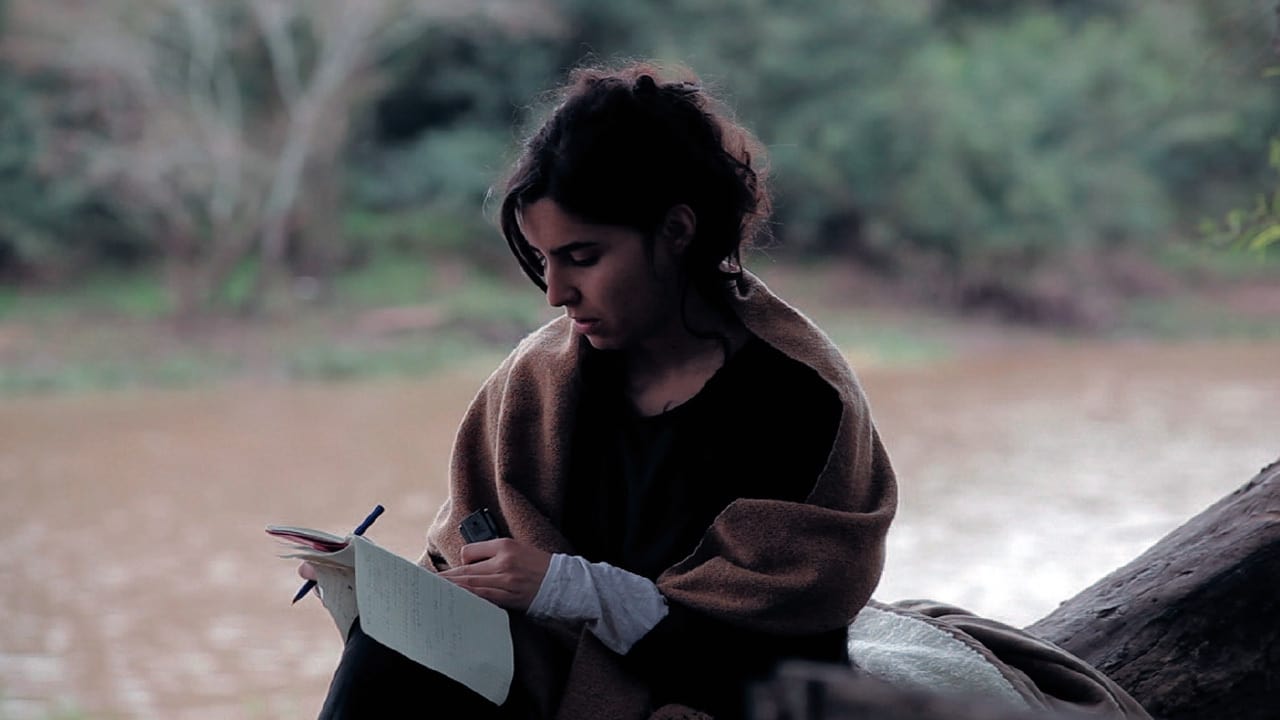
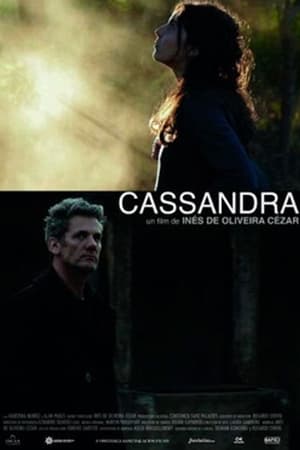


Are words, photographs and speeches sufficient means for describing and communicating a complex, harsh, unmanageable reality? These unsolved questions pursue Cassandra during her trip through the impenetrable Chaco as chronicler of a means of communication, her first job after graduating from literature school. The unknown reality of native peoples who live in the Chaco communities, their beautiful and uncomprehensive languages and their dilemmas facing an economy which excludes them, are part of a trip in which Cassandra finds an inhabitable world within her status as foreigner. Her visions start merging with the cosmovision of ancient inhabitants until she becomes part of the enigma herself.
Lee Daniels’s Billie Holiday biopic The United States vs. Billie Holiday was released on February 26th, 2021, and my immediate reaction to it was one of discomfort.
I understand that this would have been consistent with the language used by that generation, due to its role in the medical profession, however as someone who has family members with Down Syndrome I took it very personally.
One Night in Miami... did not frame the racism and bigotry as something that could be solved by quality time spent between individuals. Instead, it featured four different legends of Black History together in one room disagreeing for about 2/3 of the film.
In a post-Gamergate media landscape, it's ambitious to have a film confront the harsh reactions to women in gaming from a comedic lens.
Portraying how easy it is to be an ally heavily benefits the majority audience. The more we encourage it, normalize it, and give people the tools to become one, the sooner we can co-exist peacefully.
Mahershala Ali and Naomie Harris, with an economy of language, but a world of expression, weave us inside this futuristic tale of how your “one true love” may exist in the future in Benjamin Cleary's 'Swan Song.'