“The Whiteboard”: A Little to No Dialogue Film With Characters that tell an Endearing LGBTQ Story.
Kat Wahlen’s The Whiteboard tells, or rather shows, a delightful love story between two young women who meet in detention.

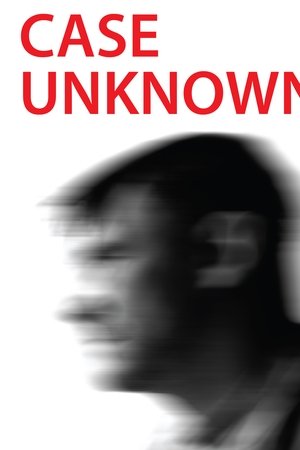


Wroclaw, 1997. The city is threatened by flooding. Hospitals are being evacuated. Young ambitious psychiatrist Konstanty Grot takes a catatonic patient to the bus. He is a severe case, not responding to any attempts at contact. However, when the bus starts moving, he unexpectedly makes a gesture that awakens certain memories in the doctor. The psychiatrist decides to apply an unusual therapy.

Feliks Falk
Director


Borys Szyc
Dr. Konstanty Grot

Grzegorz Wolf
Pawel Płocki
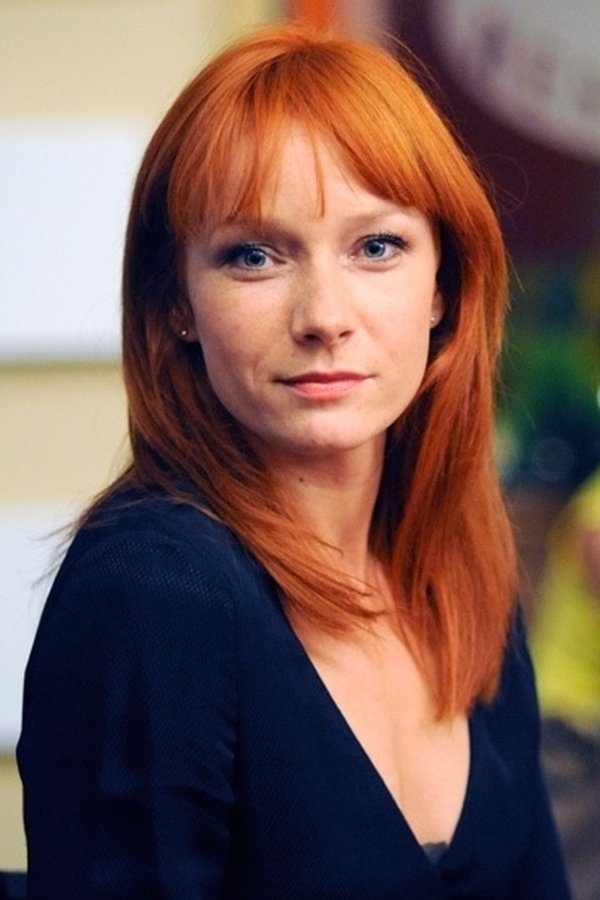
Magdalena Walach
Renata Grot

Grzegorz Kwiecień
Intern Robert

Krzysztof Stroiński
Ambroziak
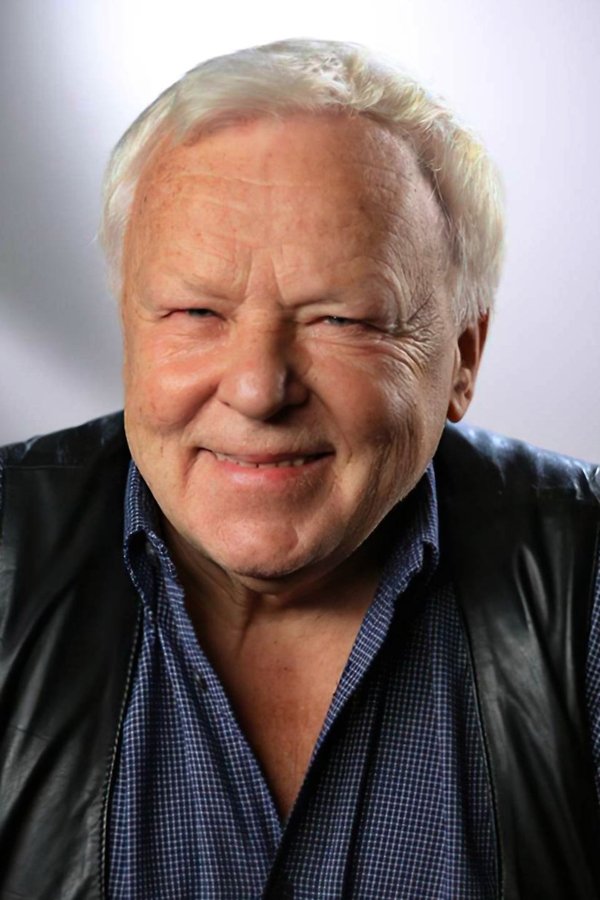
Marian Opania
Professor Dębicki
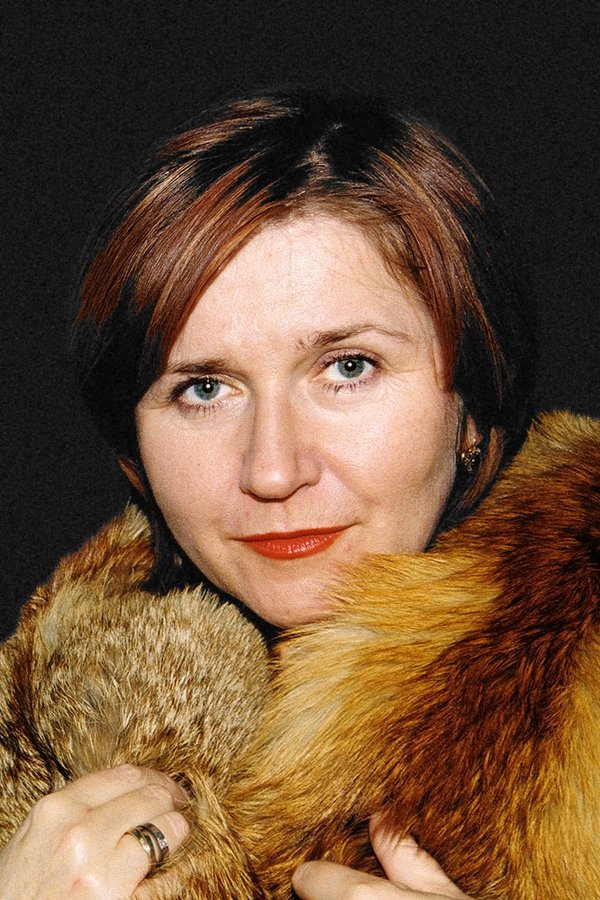
Ewa Ziętek
Renata's Mother
Elżbieta Karkoszka
Konstanty's Mother

Krzysztof Machowski
Ludwik Boreń

Aleksander Mikołajczak
Tadeusz Kański

Artur Steranko
Doctor Julski
Kat Wahlen’s The Whiteboard tells, or rather shows, a delightful love story between two young women who meet in detention.
Ultra-violent storytelling has never been my thing, but the issues with Scarface go beyond that. The film perpetuates harmful stereotypes about Latinx immigrants and uses gore and misogyny for shock value that never serves any purpose. The whole venture is frustratingly empty, and left me desiring something more.
'También la Iluvia' exploits Indigenous peoples' fight against the privatization of water in order to tell a story about Spanish characters.
We have a long way to go with LGBT representation in film, especially when it comes to LGBT characters of color and trans characters.
Even after a history changing event, the 93rd Oscars proved it always had the space for more inclusivity in its award ceremony. But it this enough to change the boycott?
Remakes. Reboots. Reinventions. Redundancy. It's the common practice in Hollywood of late, sometimes offering us victorious reimagining of what can be considered cinematic classics while also, more often, falling flat on their UN-imaginative faces in utter defeat and lackluster results. Admittedly, with this in mind, I went into the newest incarnation of "The War of the Roses" with typical trepidation and cautious optimism.