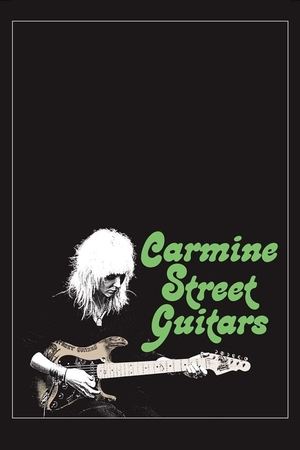
Carmine Street Guitars
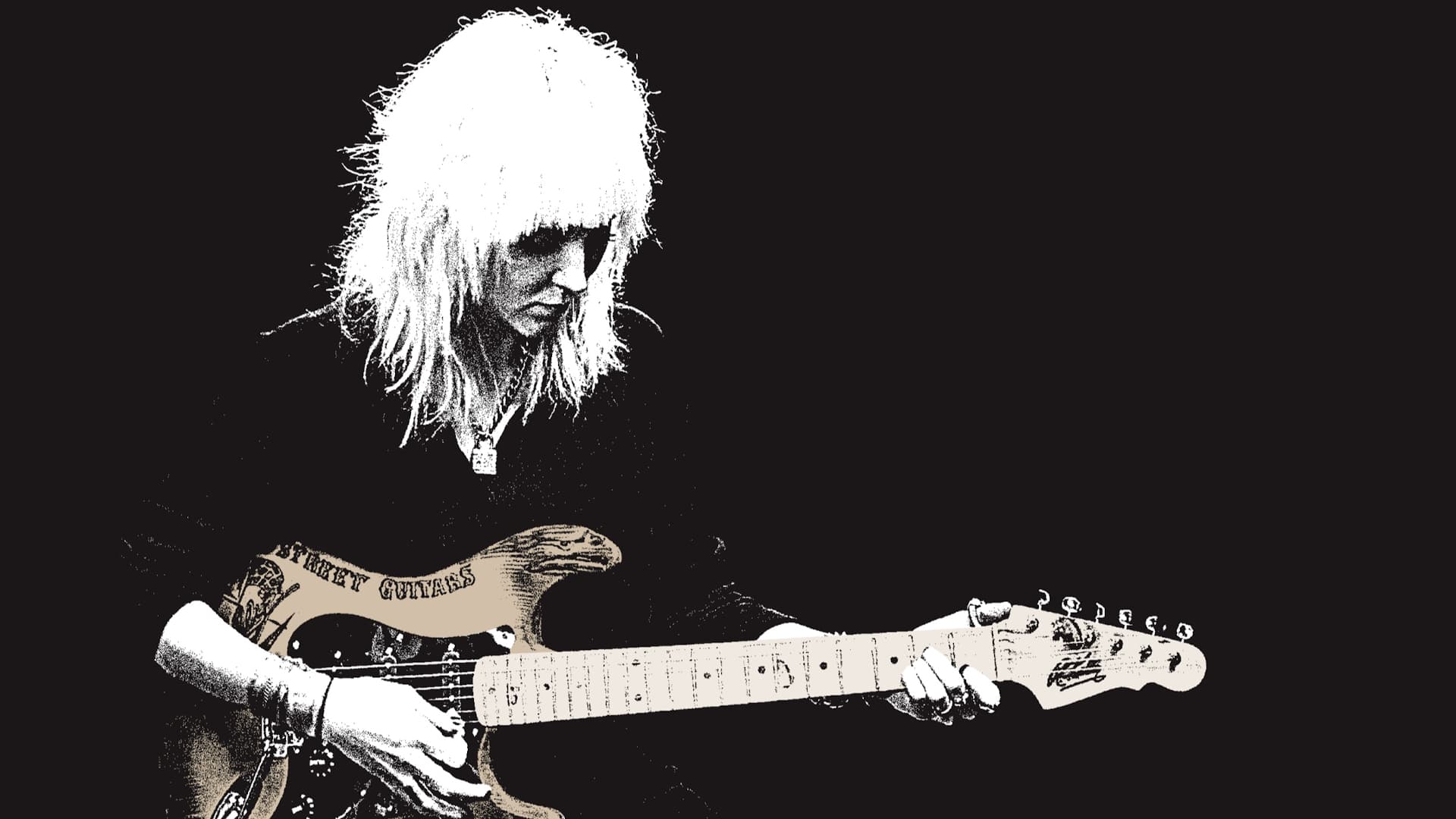
Once the centre of the New York bohemia, Greenwich Village is now home to lux restaurants, and buzzer door clothing stores catering to the nouveau riche. But one shop in the heart of the Village remains resilient to the encroaching gentrification: Carmine Street Guitars. There, custom guitar maker Rick Kelly and his young apprentice Cindy Hulej, build handcrafted guitars out of reclaimed wood from old hotels, bars, churches and other local buildings. Nothing looks or sounds quite like a Rick Kelly guitar, which is the reason they are embraced by the likes of Bob Dylan, Lou Reed, Patti Smith, Jim Jarmusch, just to name a few. Featuring a cast of prominent musicians and artists, the film captures five days in the life of Carmine Street Guitars, while examining an all-too-quickly vanishing way of life.

- / 5
PopScore
Representation
Pictures and Videos

Movie Information
Once the centre of the New York bohemia, Greenwich Village is now home to lux restaurants, and buzzer door clothing stores catering to the nouveau riche. But one shop in the heart of the Village remains resilient to the encroaching gentrification: Carmine Street Guitars. There, custom guitar maker Rick Kelly and his young apprentice Cindy Hulej, build handcrafted guitars out of reclaimed wood from old hotels, bars, churches and other local buildings. Nothing looks or sounds quite like a Rick Kelly guitar, which is the reason they are embraced by the likes of Bob Dylan, Lou Reed, Patti Smith, Jim Jarmusch, just to name a few. Featuring a cast of prominent musicians and artists, the film captures five days in the life of Carmine Street Guitars, while examining an all-too-quickly vanishing way of life.
Rating:
Genre:Documentary
Written By:Len Blum
In Theaters:
Box Office:
Runtime:86 minutes
Studio:Sphinx Productions


Articles You May Like
‘WandaVision’ Episode 5 Flips the MCU Upside Down
In The Heights: The Case for Diversifying Diverse Films
In the film adaptation, director Jon M. Chu turns each musical number into a massive show stopper, with grand set pieces and a wealth of diverse dancers. Yet, in this attempt to show reverence for the people of the Washington Heights barrio, Chu, or maybe more specifically those in charge of casting, left out a crucial part of the community, Afro-Latinos.
Darren Aronofsky's Top 5 Films
Darren Arronofsky focuses on diverse and heartbreaking stories about the human experience.
The Last of Us is Flipping the Script For Game Adaptations
An apocalyptic tale captivates the nation as it teaches us to love even in the hardest situations.
Indie Film Review "Andhela Ravamidhi" The pursuit of dreams, obstacles to overcome, patriarchal mindsets, empowerment, and life’s beauty artistically and compellingly collideIndie Film Review "Andhela Ravamidhi"
What are we willing to walk through to see our dreams come to pass? Our minds might be so wholly alive with the passions we carry and the plans we make to see these things become all we wish them to be, yet life doesn’t always want to come alongside. Instead, obstacles arise, both physical and mental, which attempt to dissuade us or even prevent us from moving forward, stalling or stagnating the momentum to achieve what we desire. The age-old question remains….can we overcome? Or will we BE overcome?