








PAW Patrol: The Movie
This analysis covers Paw Patrol: the Movie, including character analysis, themes covered in the movie, and things that could've made this movie better.

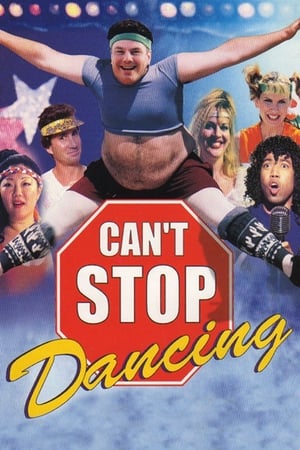
A Topeka, Kansas fun park dance troupe led by a 260 pound dancer (Ben Zook) learns that the park is going to close. Their leader convinces the group, now named "The Stupendous Six", to join him in a painted up bus and to hit the road to find the big time. The Six compete against other dancers to win a chance to compete in the grand finale at the Little Miss Orange County Beauty Pageant. The other members of the Six are Melanie Hutsell as an airhead, Margaret Cho as a oral fixated sex maniac, Brett Paesel as the leader's homosexual lover, Bruce Daniels as the African-American member with a penchant for misuse of black slang, and Michael Irpino as another more stereotypical gay dancer. Lots of cameos from tv stars occur in the various dance numbers. But this comedy does take most of its cues from "The Full Monty" rather than from other major dance films.
This analysis covers Paw Patrol: the Movie, including character analysis, themes covered in the movie, and things that could've made this movie better.
The justice system in the United States of America is supposed to operate as you are deemed innocent until proven guilty. But "When They See Us" shows what happens for Black people is they are deemed guilty until proven innocent.
‘Exhibiting Forgiveness’ seeks to ask one question, “What do you do when your parents are the source of your pain?”
The thing is, people like Wahlberg will only apologize if they have something to lose, which he did. His glamorous life, his reputation, and his career were all at stake.
The social issues The Half of it takes on are handled well, between the antagonization brought on to Ellie for her race and the conflict that arises from her being gay. Both aspects of her character are built up over the course of the film and don’t seem abrupt or rushed. The film shows racism towards Ellie and her and father in varying levels, from having her schoolmates specifically address her as "Chinese girl” to the fore mentioned way her Dad is treated due to language barriers. The same can be said about Ellie being a lesbian. While she never truly “comes out” in the narrative, that does not undermine her journey of self-discovery from being meaningful. These ideas aren’t thrust upon the viewer in a preachy manor, the scenarios that occur feel believable given the rural setting. The film presents watchers with problems whom those like Ellie may face, and leaves us to sit with them and reflect.
Remember Caroline from Vampire Diaries? Well, now she’s The Suitcase Killer, allegedly.