



Wanda Maximoff: The Hero We Deserve, Not The Villain We Need
If the message here is that without a support system, grieving people turn into monsters, it’s not really well-delivered and may be flawed as a message itself.
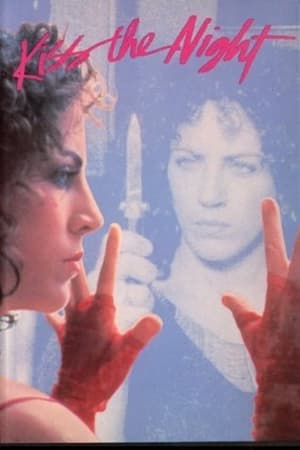


Flesh and fantasy fill the nights of the call girls at Bambi’s, a flashy back street brothel. Join Bambi, Candy and the girls for an evening or two and find out what happens in the violent world of sex for sale. Candy is new to the business. She follows all of the rules of the house - she arrives on time, doesn’t take drugs, is polite to customers, and numb to all the men who used her. Then she meets Reg and breaks the most important rule - don’t fall in love with one of your customers. Their first encounter leaves her longing to see him again. She fantasizes about the love they share and how idyllic their life together would be. But the facts are clear. Candy is a hooker and she will never be a real part of his world … she’s one of Bambi’s girls. She has seen his life and felt his love, a brief glimpse is all she’ll ever have, KISS THE NIGHT!
If the message here is that without a support system, grieving people turn into monsters, it’s not really well-delivered and may be flawed as a message itself.
Taylor Swift details her successful music career in country and pop genres in this featured documentary film Miss Americana.
"Peter Pan & Wendy" is a diverse fantasy brought to life and an adventure for all ages.
This coming-of-age movie discusses immigration issues in the United States through the eyes of two exchange students in Brazil.
“Nobody 2” is the kind of sequel you expect to roll your eyes at—and then end up grinning through the whole thing. Bob Odenkirk proves once again that an ordinary-looking guy can be the most entertaining action hero alive, battling cartels with harpoons, deep fryers, and pure chaos. Toss in Sharon Stone as a delightfully over-the-top villain, and you’ve got 89 minutes of wild, joyful mayhem that reminds you why going to the movies is just plain fun.
White audiences saw Peola’s mixed-race passing as a Black woman’s struggle to be white. Black audiences saw it as the rebellion of a Black woman trying to gain privileges only given to white people.