

I Want to Spend 'Christmas With You'
A pop star at Radio City Music Hall gets the opportunity to change herself to save her music career.
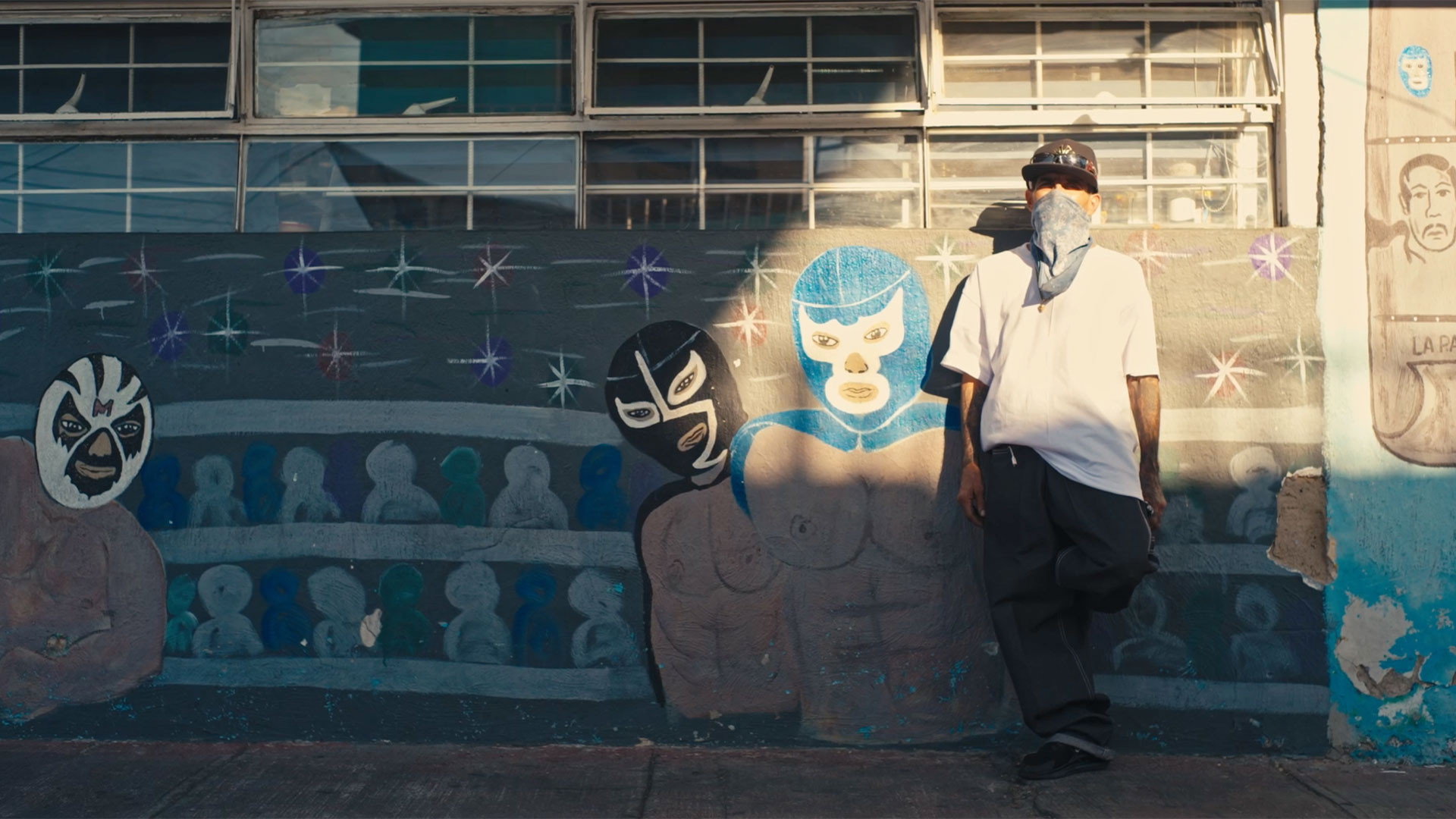
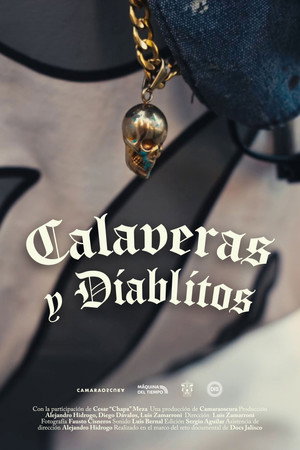


In the streets of Huentitán el Bajo, the horn of Chapo's car blares. He's a man who transformed his life, marked by violence, gangs, and addiction, into a story of redemption through art. After surviving a near-fatal ordeal, he found in sign painting and murals a way to heal and restore identity to his community. With his chopper bike, his music, and his wooden cart full of paint, Chapo travels the neighborhood, filling the walls with color and hope. Beyond his tough exterior, he reveals himself as a loving father, a committed artist, and a symbol of change in an environment still battling violence.
A pop star at Radio City Music Hall gets the opportunity to change herself to save her music career.
The May Incluvie Movie Highlights features 3 fantastic coming-of-age films. We explore butterfly-inducing Sneakerella and Crush, and the sadly timely feature - The Fallout, about the after-effects of a school shooting.
In this coming-of-age movie centered around senior prom, Mandy is anxious about her acceptance into Harvard while she realizes she's missing other opportunities.
Sing 2 the beat in this jukebox sequel featuring anthropomorphic animals with musical talent.
Adam Sandler goes hard as an NBA scout in this male-heavy sports-drama.
There is no such thing as watching too many movies. Since we're still quarantined, I wanted to recommend another 19 movies for people to check out across Netflix, HBO Max, and more.