






Incluvie – Better diversity in movies.
Identity in film with Incluvie stamps, scores, reviews.

Incluvie – Better diversity in movies.
Explore identity in film with Incluvie stamps, scores, reviews, and insights.

trailer banner
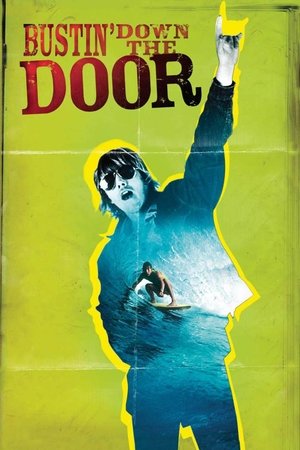
Bustin' Down the Door poster

Bustin' Down the Door (2008)

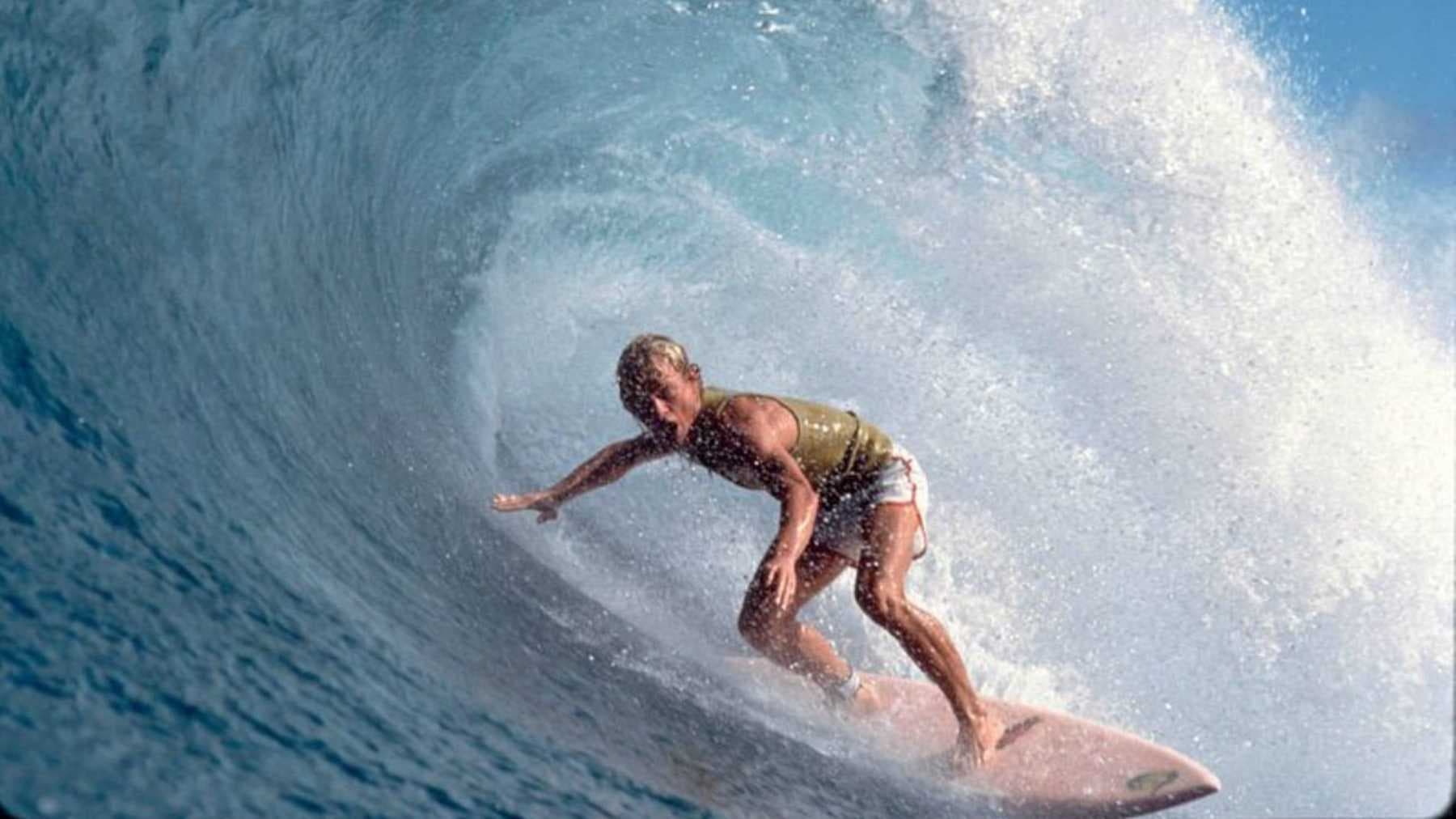
During the winter of 1975 in Hawaii, surfing was shaken to its core. A group of young surfers from Australia and South Africa sacrificed everything and put it all on the line to create a sport, a culture, and an industry that is today worth billions of dollars and has captured the imagination of the world. With a radical new approach and a brash colonial attitude, these surfers crashed headlong into a culture that was not ready for revolution. Surfing was never to be the same again.
- / 5
PopScore
Representation

Pictures and Videos


Incluvie Gala

Movie Information


During the winter of 1975 in Hawaii, surfing was shaken to its core. A group of young surfers from Australia and South Africa sacrificed everything and put it all on the line to create a sport, a culture, and an industry that is today worth billions of dollars and has captured the imagination of the world. With a radical new approach and a brash colonial attitude, these surfers crashed headlong into a culture that was not ready for revolution. Surfing was never to be the same again.

Rating:
Genre:Documentary
Directed By:Jeremy Gosch
Written By:Jeremy Gosch, Robert Traill, Phil Jarratt, Monika Gosch
In Theaters:7/25/2008
Box Office:

Runtime:96 minutes
Studio:Fresh & Smoked

Articles You May Like


The Rise of a Kindhearted Comedy Hero: The Anti-Toxic Masculinity Message of Brendan Fraser Films

Throughout Brendan Fraser’s career, he has played a plethora of unique, layered characters who explore the importance of not being afraid to display your emotions, something that is often seen to not be a masculine trait. This idea of regulating emotion and what traits men are able to possess creates a toxic atmosphere for men who are often told they should not cry or represent their emotions in any physical way. These characters represent that men can be joyful, emotionally conscious, and sensitive, while also representing their masculine identity instead of painting those qualities as fighting against their masculinity.

Amanda Mazzillo