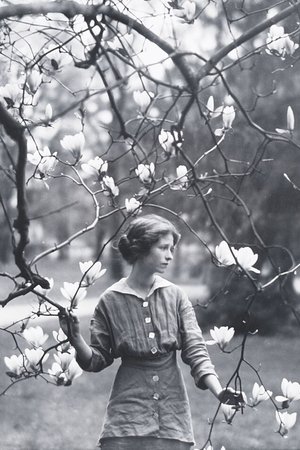
Burning Candles: The Life of Edna St. Vincent Millay
She was her generation’s Madonna and Bob Dylan rolled into one—and yet, by the 1970s, major poetry anthologies no longer mentioned Edna St. Vincent Millay. She had become a lost poet, her literary status mirroring her untimely death. This program documents the brief yet bright “candle” of Millay’s artistic development, from her early years in Maine to her achievements in the literary world of New York, while exploring her celebrity, sexuality, and personal relationships. Among the many eye-opening locations featured in the film is the house in which Millay spent her final years; its contents have remained untouched since the poet’s death and provide a catalyst for the study of her troubled, exuberant life. Never-before-seen archival images and interviews with Millay scholars also enrich the narrative.

- / 5
PopScore
Representation
Pictures and Videos

Movie Information
She was her generation’s Madonna and Bob Dylan rolled into one—and yet, by the 1970s, major poetry anthologies no longer mentioned Edna St. Vincent Millay. She had become a lost poet, her literary status mirroring her untimely death. This program documents the brief yet bright “candle” of Millay’s artistic development, from her early years in Maine to her achievements in the literary world of New York, while exploring her celebrity, sexuality, and personal relationships. Among the many eye-opening locations featured in the film is the house in which Millay spent her final years; its contents have remained untouched since the poet’s death and provide a catalyst for the study of her troubled, exuberant life. Never-before-seen archival images and interviews with Millay scholars also enrich the narrative.
Rating:
Genre:Documentary
Written By:Robert A. Duncan
In Theaters:
Box Office:
Runtime:93 minutes
Studio:International Documentary Television Corporation
Cast
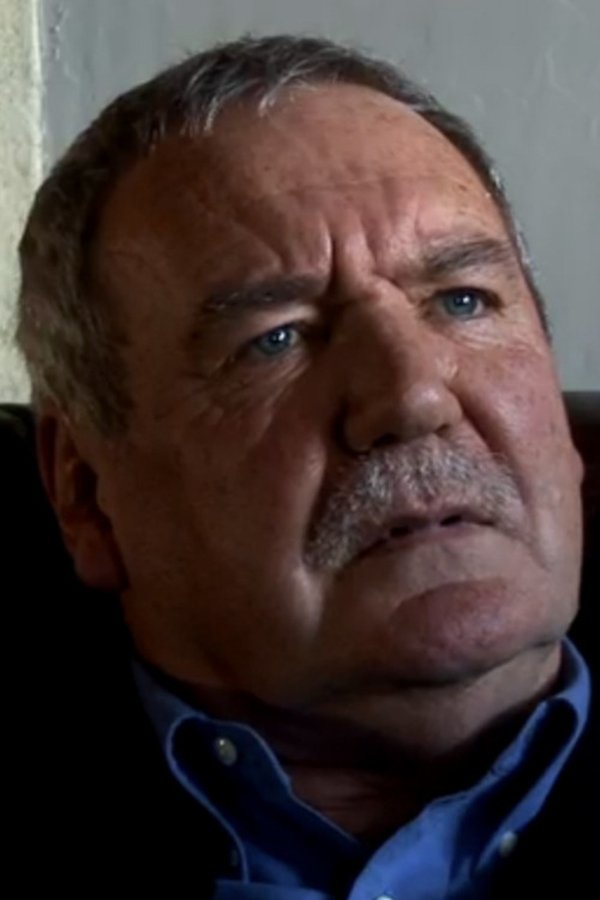
Robert A. Duncan
Director

Edna St. Vincent Millay
Herself (Archival Footage)
Robert A. Duncan
Narrator
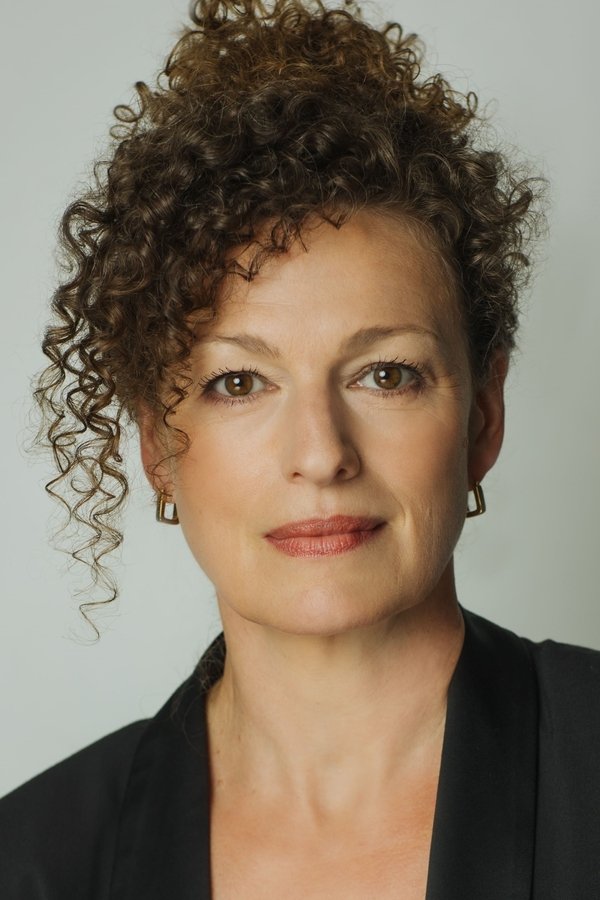
Jennifer Lines
Reader
J.D. McClatchy
Editor, Yale Review
Elizabeth Barnett
Literary Executor
Nancy Milford
Biographer: "Savage Beauty"
Daniel Mark Epstein
Biographer: "What Lips My Lips Have Kissed"
Stephen Young
Poetry Magazine
Christian Wiman
Poetry Magazine
Holly Peppe
Millay Scholar
Articles You May Like
‘The Star Wars Holiday Special’ is the Pinnacle of Awful and Misery
At least we got the original cast back, right? Not even that saves it. None of them could bring a sliver of hope to this special. Rather, they bring dread as we witness the light leaving from their eyes.
“Young Washington” Is Imperialist Propaganda
Telling a story about the French and Indian Wars from the perspective of the British prioritizes the perspective of the colonizers.
Once Upon a Time in (White) Hollywood
Tarantino's alternative history of the 1960's uncritically repeats the era's sexist and racist stereotypes.
Not So ‘Brand New’ Cherry Flavor
The fun tricks used in the production design and lighting read extremely well on-screen but hardly fulfill their purpose of trying to inject glamour into a lack-luster story with nothing to say.
‘Ms. Davis’ Close Friend’: Richard Schertzer’s Modern Reimagination of ‘The Seventh Seal’
'Ms. Davis’ Close Friend' will make you think about the meaning of death and what it means to be alive, and if there’s really a race to be run with one's inevitable demise.