






Incluvie – Better diversity in movies.
Identity in film with Incluvie stamps, scores, reviews.

Incluvie – Better diversity in movies.
Explore identity in film with Incluvie stamps, scores, reviews, and insights.

trailer banner
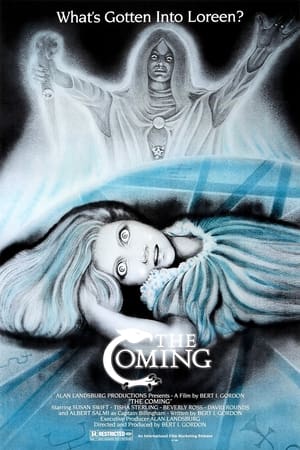
Burned at the Stake poster

Burned at the Stake (1981)

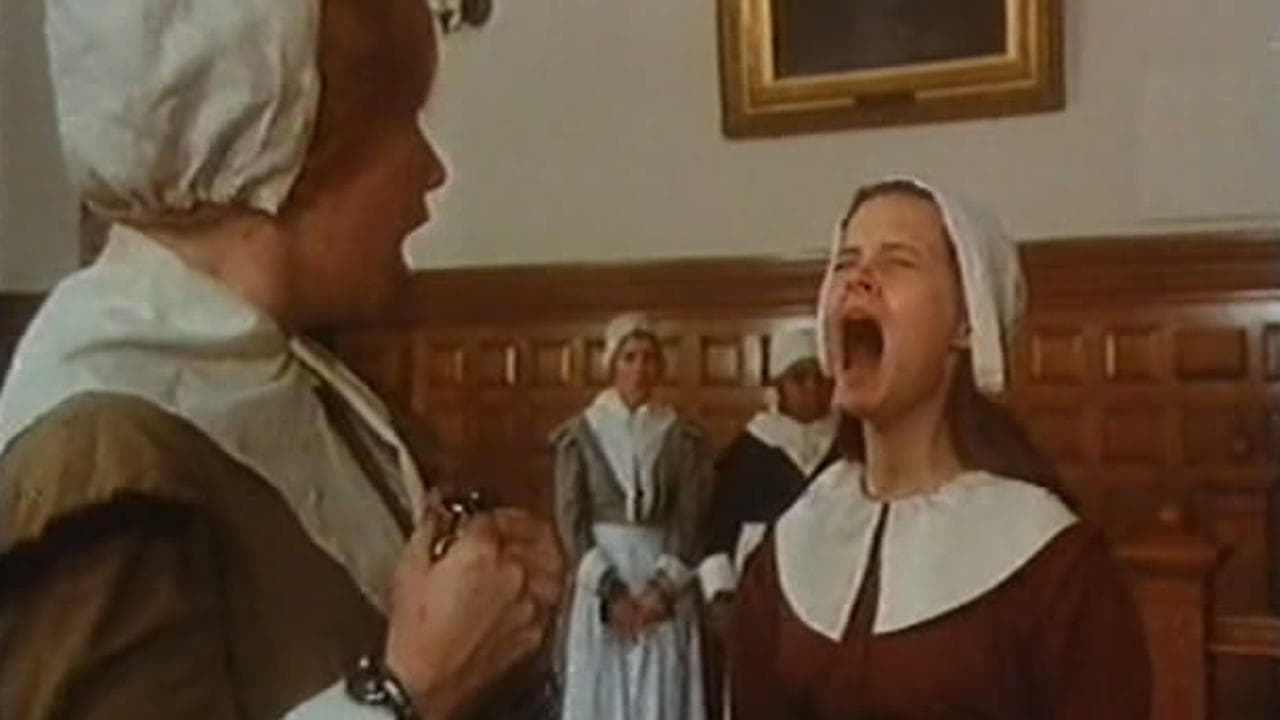
In 1692 Salem, Ann Putnam accuses those who have angered her of witchcraft; they are tried and put to death. In 1980, Loreen Graham is on a school outing to the Salem Witch Museum when a wax figure of a man from 1692 comes to life and accosts her. It seems that she may be the reincarnation of Ann, who had accused the man's 5-year-old daughter of witchcraft and the girl is scheduled to be burned at the stake. Loreen must fight against Ann's possession and confront the corrupt 17th century minister consorting with Ann to falsely accuse people of witchcraft.
- / 5
PopScore
Representation

Pictures and Videos


Incluvie Gala

Movie Information


In 1692 Salem, Ann Putnam accuses those who have angered her of witchcraft; they are tried and put to death. In 1980, Loreen Graham is on a school outing to the Salem Witch Museum when a wax figure of a man from 1692 comes to life and accosts her. It seems that she may be the reincarnation of Ann, who had accused the man's 5-year-old daughter of witchcraft and the girl is scheduled to be burned at the stake. Loreen must fight against Ann's possession and confront the corrupt 17th century minister consorting with Ann to falsely accuse people of witchcraft.

Rating:R
Genre:Horror, Thriller
Directed By:Bert I. Gordon
Written By:Bert I. Gordon
In Theaters:8/21/1981
Box Office:

Runtime:86 minutes
Studio:Alan Landsburg Productions

Articles You May Like


'Jack and Diane' Review: Wasted Potential

The plot could’ve really been interesting if the elements of lycanthropy was integrated with perhaps the struggle of identity of being LGBTQ+. It's an experience for so many that as they’re starting to realizing their true selves, they feel like a monster, especially if they come from unsupportive homes or communities. Instead, the horror and transformation elements seem thrown in without contemplation of how this could deepen the narrative.

Andrea Amoroso