

Gus Van Sant's Constant Thematic and Cinematic Elements
The differences in these films could not be more blatant, and yet Gus Van Sant has found a way to portray the same messages and use the same techniques in each.
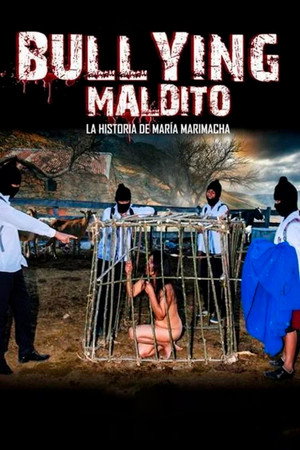


María is a teenager, from a rural environment, who is late for her first period. She experiences the transformations of her body as something monstrous, she is a shy young woman who suffers abuse, isolation and discrimination in school. Her family and the community do not tolerate her because of her own behavior, a man, these attitudes will be reason for her classmates, led by Aquiles, to humiliate her physically and psychologically.
The differences in these films could not be more blatant, and yet Gus Van Sant has found a way to portray the same messages and use the same techniques in each.
This list was made with the intention of celebrating comedic craft and a love of seeing more women of colour and newcomers on the scene.
My review’s title is a nod to Shakespeare and is entirely deliberate. The original movie portrayed the high-end fashion world as a brutal arena of plotting, backstabbing, and betrayal, and most Shakespeare’s plays depend on these plot devices. The Devil Wears Prada 2 uses the same formula, and is, plot-wise, almost identical. Once again, we plunge into the cutthroat world of Runway, where to get and stay at the top, you must let go of your principles and moral sense. The only thing different is that due to the digital era, Runway is not a print magazine anymore, but one that is running online.
The short documentary and second place winner of the Incluvie Short Film Festival, Gender Outlaw: A Bodysurfing Story, challenges any simplistic understanding of trans people.
Cartoon Saloon is an animation studio that should be appreciated more. They tell unique stories with unique animation, proving that 2D animation is still alive and well.