

A Survivor's Story: Breaking Down the Season 4 Finale of ‘Handmaid’s Tale’
The roaring emotional ride that was the season four finale sets June on a new path: more of a Survivor's Journey.
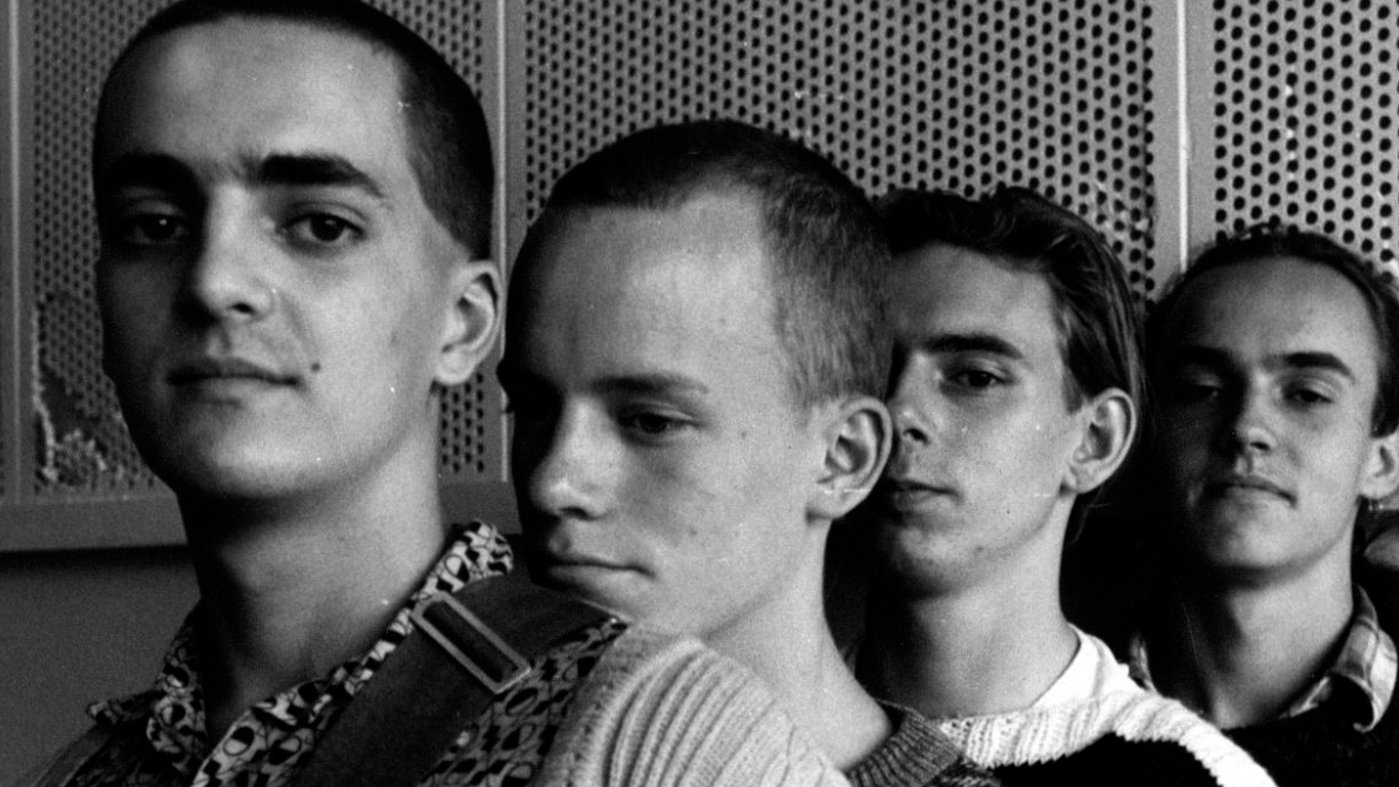



In early summer 1989, Helke Misselwitz portrays young musicians in a band who produce their music on other people’s waste items. The four boys call themselves "Bulk Rubbish" and they drum out their resentment, having grown up on the new housing estates of East Berlin. A straight-up picture of the GDR youth is presented here, which in no way conforms to the official image. The film crew concentrates on the observation of the boy Enrico and his mother Erika: when the mother marries in the West, her son decides to stay in East Berlin, bidding her farewell at the border-crossing. Only shortly after, the tables are turned again: as the events in Berlin leading up to the fall of the Wall are practically captured live from the film crew, Enrico insists on maintaining his cultural identity, even after the fall of the Wall. The "Bulk Rubbish" musicians want to remain citizens of their own state and perceive the looming reunification with scepticism.
The roaring emotional ride that was the season four finale sets June on a new path: more of a Survivor's Journey.
If you've watched 'Jeanne Dielman, 23 Quai du Commerce, 1080 Bruxelles', you are either someone who believes “nothing happens” in this three and half-hour film or you’re like me who believes everything happens.
This captivating film can only be truly appreciated by seeing it firsthand. There are not enough words to describe the terrible beauty one experiences while watching it.
A complex, realistic, and loving mother-daughter relationship is at the heart of this story about Black pageants and the fight for a better future.
An incredible documentary showcasing the difficulties of living in a crumbling Rust Belt city.