




Garfield the Movie: A Failure in Adapted Characters
An analysis on how the Garfield movie fails to represent the characters it is adapting, especially the women, by removing their best characteristics.
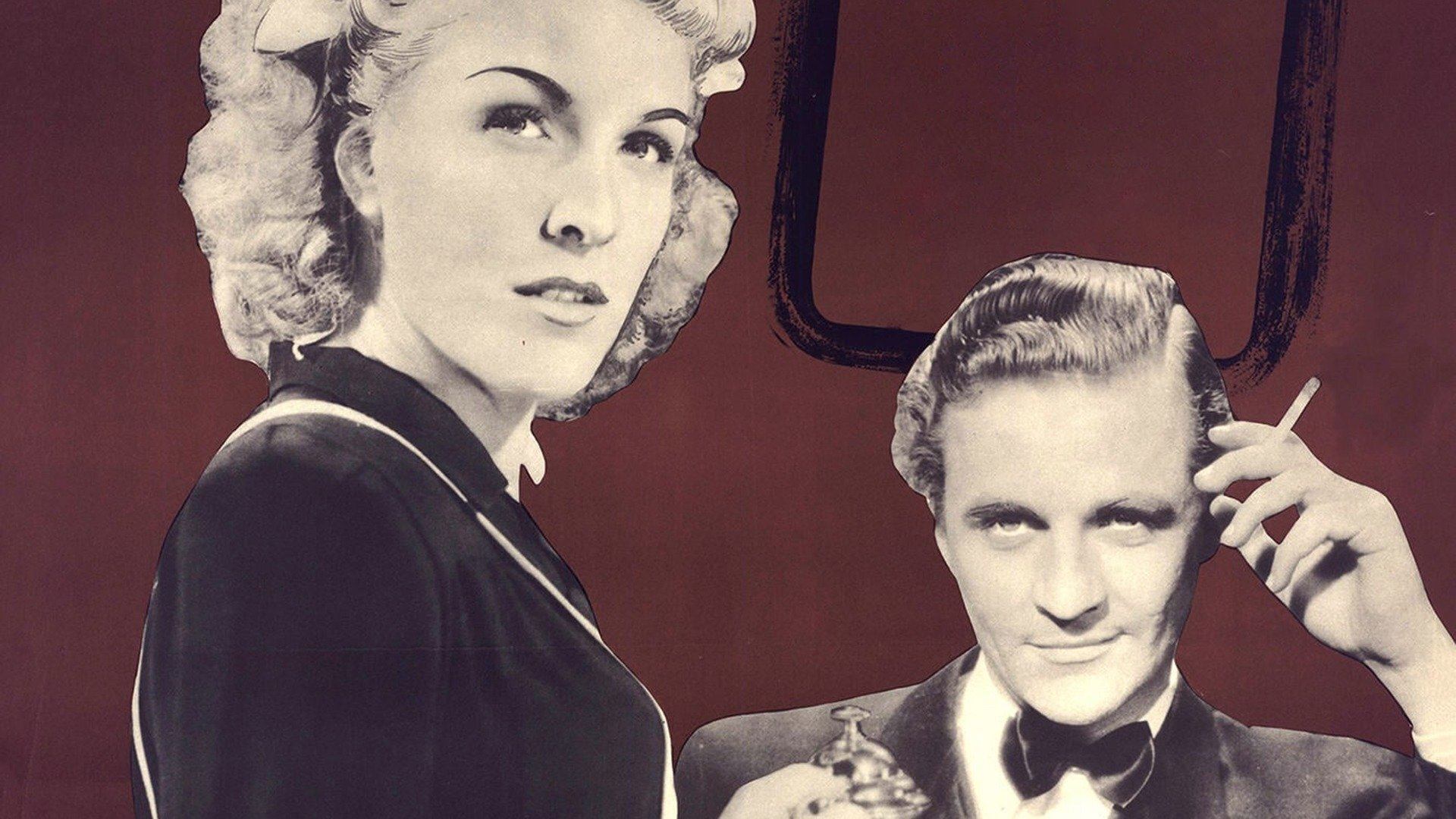
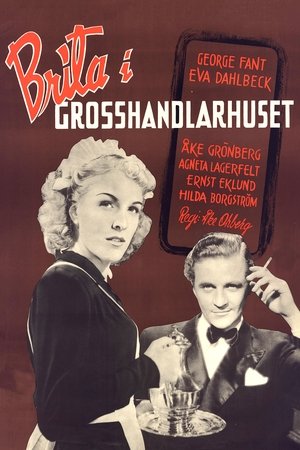


Brita moves from the countryside and her parent's cabbage patch to work as a housemaid in Stockholm. The big city overwhelms her at first and she falls in love with a young man. But one day Arvid, an infatuated young man from the old village also comes to Stockholm to express his love for her.
An analysis on how the Garfield movie fails to represent the characters it is adapting, especially the women, by removing their best characteristics.
With This is Us now on its fifth season and A Million Little Things on its third, we have a lot of material to entertain the hypothetical: if these two shows got in the ring together, who would come out victorious? Despite the endless recognition for the former’s success, I dare say I’d put my money on A Million Little Things once all is said and done.
Films and TV series often tend to misrepresent or not acknowledge bisexual characters, but recent trends show that bi-erasure is now under deserved scrutiny. So, I’m genuinely happy about the direction bi-representation seems to be taking.
Outer Banks (2020-) knows its audience: young adults in a country that can’t stop romanticizing good ole’ treasure hunts. Add a little of Riverdale’s (2017-) sex appeal, and no one can look away. Forty years after The Goonies (1985) America’s consciousness hasn’t strayed from the same tropes: treasure hunts, a vulnerable white male lead, and the whitewashing of a racially segregated setting.
She is being made to justify why she doesn’t believe he’s a feminist, instead of him having to justify his choice to claim he is one.
The character of Mulan is one of Disney’s best heroines. She’s brave, kicks butt, and has a kill count. What other Disney character has killed hundreds of Huns by crushing them with an avalanche? No one.