








We need more action movies like 'The Old Guard'
This groundbreaking summer blockbuster proves that diversity enhances the action genre.
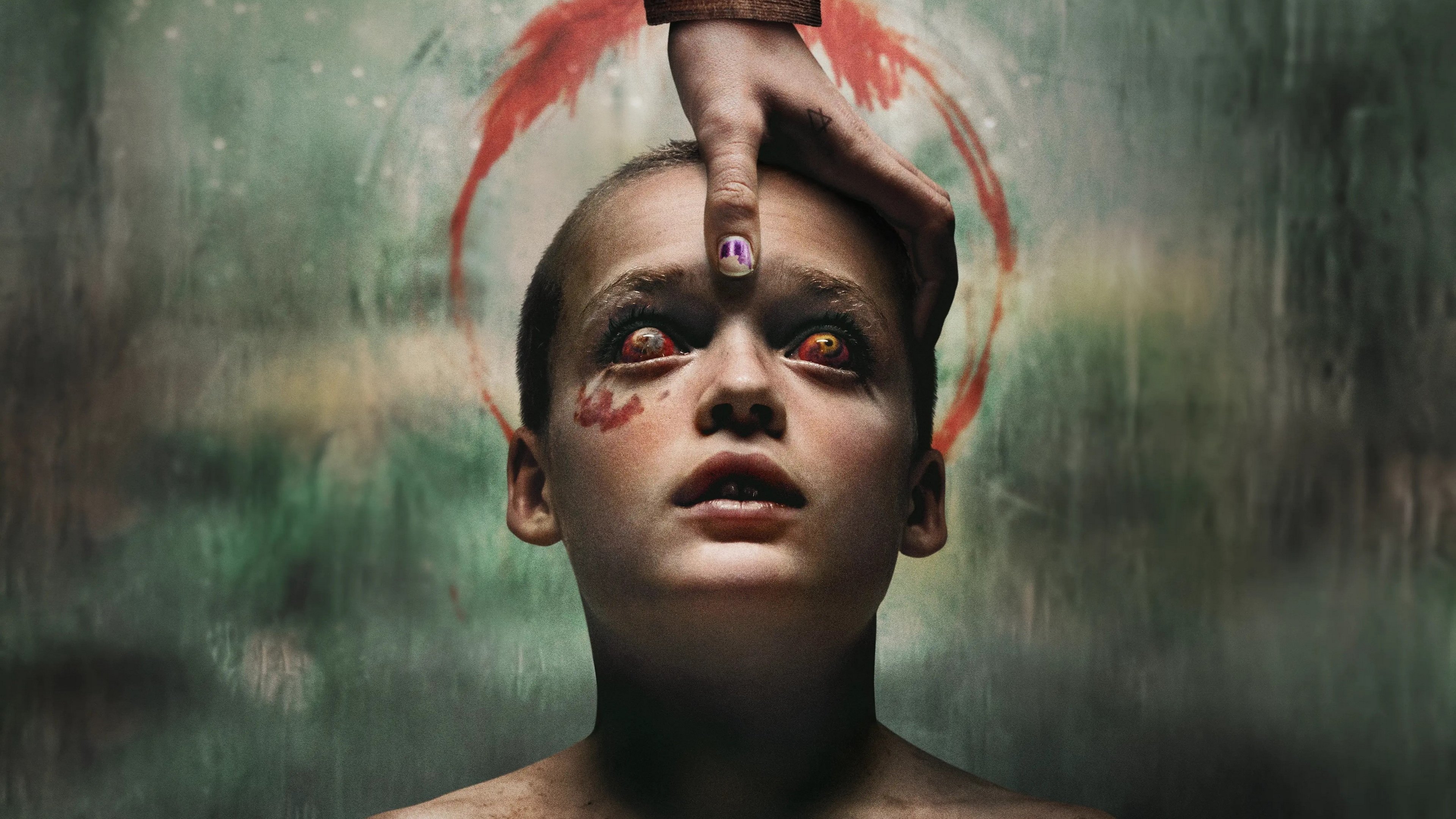
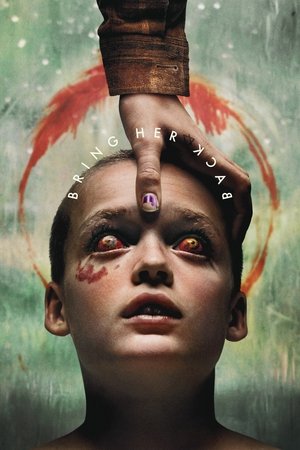


After Danny and Michael Philippou’s well-received debut, Talk to Me, they released another thrilling horror film this year: Bring Her Back. Like Talk to Me, it's essentially the trust and bond between friends and family members that are at stake.
We see things through the point of view of a pair of stepsister and brother: 17-year-old boy Andy and Asian girl Piper, who is visually impaired. They found their father dead after a stroke in the shower. This vision—therefore, Piper was less mentally harmed—haunted Andy throughout the film. Their bond is the most touching element in the film. Even though they don't share the same biological mother or father, it’s their care and love for each other that support them through the loss of their father. The portrayal of their bond is natural: from their bickering with inappropriate jokes at the beginning to their secret code “grapefruit” as a code for “being honest.”
Besides the visual body horror, the biggest element in horror is the step-siblings’ new guardian, Laura, played by the brilliant actress Sally Hawkins. At first, her role is extra-friendly with an ounce of ambiguity and eccentricity. As a former counsellor herself, she used her tactics to get close with Andy to get the information she wanted and then used the information to break the trust between Andy and Piper. Even though they’re children, they would be only truly defenseless after they lost each other and in isolation. Her fabricated psychoanalysis of Andy is one of the most frustrating scenes in the film.When Andy told the agency that the other fostered child, Oliver, was actually a missing child, the social worker revealed that Laura was a former counsellor at the same agency, which was a chilling twist.
This is not the first time we see the role of therapist/counsellor as a supervising role of threat instead of being someone who we can undoubtedly trust the most. In Ari Aster’s surrealist horror film, Beau Is Afraid, the therapist of the protagonist was revealed at the end to be bought off by his mother and give out his personal information. Along with the popularity of therapy sessions for the public, the fear of betrayal and exposure from the person you trust to regularly talk about your deepest emotional turmoils seems to increase as well. Laura was also in the position of new guardian mother: the external horror invaded Andy and Piper’s two-person family, becoming an internal threat.

Following the death of their father, a brother and sister are sent to live with a foster mother, only to learn that she is hiding a terrifying secret.
This groundbreaking summer blockbuster proves that diversity enhances the action genre.
This animated movie focuses on Nick Daley, the son of Larry Daley, as "Kahmunrah Rises Again."
Seven years after George Miller's previous film, 'Mad Max: Fury Road', he dives back into the scene with an equally daring movie. Although not nearly as action-packed, his newest film 'Three Thousand Years Of Longing' challenges the typical format of a film, giving you a well-known plot in an unexpected way.
Spiral could easily spawn new sequels and will most likely churn a decent profit. Is it a good Saw film? Absolutely. Could it have been revolutionary though? Also yes.
This list was made with the intention of celebrating comedic craft and a love of seeing more women of colour and newcomers on the scene.
This movie will always resonate with queer people, for as long as queer people exist.