












Writing Great Villains: Why They Shouldn't Be Sympathetic
Writing great villains is about striking a balance between charming and evil, so we love them but also love to see them lose.
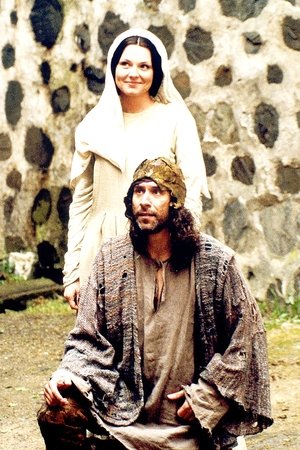


This fairy tale, based on an old French legend, takes place in the Middle Ages at the court of King Pepin. The king wants to marry and, on the advice of Duke Akilon, decides to court the Hungarian princess Bertha. Although the princess has a physical flaw—her feet are too large—Pepin does not care much about that. He remembers how he was friends with Bertha as a little boy and even then admired her bravery. Duke Akilon therefore sets off for Hungary to ask for Princess Bertha's hand in marriage for his king. However, he has his own plan and has no idea what will thwart it.
Writing great villains is about striking a balance between charming and evil, so we love them but also love to see them lose.
The relationship between the characters is what makes this film stand out, and it’s just all-around fun.
This Halloween movie is based on the toy line of the same name.
Eddington attempts to capture how media is intertwined with the uncomfortable present.
The French-born director Laure de Clermont-Tonnerre’s strategic choice to entrust the interpretation of a conventional, feminine character to a non-binary actor pays off: Corrin’s Lady Chatterley is awkward, edgy, and uninhibited at the same time.
It’s not often in America that you turn on the TV and see a show or a movie with a Muslim protagonist. And when they do, they're usually a negative stereotype. Ms. Marvel changes all of that.