






"Mothra" Still Rocks
The original Mothra is a fun monster movie that has way stronger lore, music, and special effects than most of its contemporaries.

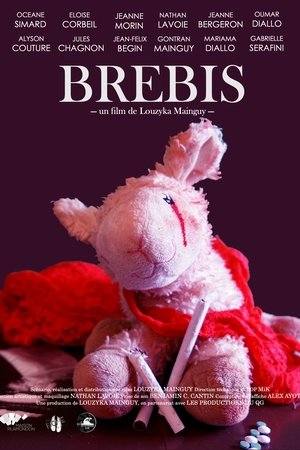


"Brebis" aims to be a deep exploration of the challenges faced by many teenagers in our community, shedding light on conflicts of all kinds. These young people, struggling with difficult issues, will come together at a party that will symbolize a crucial turning point in their lives—although this change may not necessarily be a positive one. Throughout the film, the mental development of each character, who suffers in silence, is gradually brought to the forefront. The dependence on drugs and the struggle to break free. Being subjected to sexual assault and rape, and constantly living with the weight of it. Enduring toxic relationships with possessive and controlling narcissists. Facing the loss of a loved one. Although they are all friends—do they truly know each
The original Mothra is a fun monster movie that has way stronger lore, music, and special effects than most of its contemporaries.
Yes, Asia is actually quite a large hub for amazing horror films even to this day, some people just never notice! Well, I'm here to change that. It's time to not let those words at the bottom of the screen scare you but instead be scared by some of the best horror you never knew about.
Escape The Field is a serviceable horror thriller. The characters are easier to remember as horror character tropes. As I wrote this review, I only remembered the characters by their tropes: #FinalGirl, #Everyman, #Badass, #MeanB*/SexyGirl, #Realist/BlackLesbian, and #TheNerd.
After two months of refusing to see this movie, I have decided that it’s finally Morbin’ time. After its re-release as a box office bomb; I watched it just to laugh at it. But, I was also surprised, because 'Morbius' is a queer allegory.
The Olivia Wilde renaissance is upon us.
In Tall Girl, Jodi learns to stand tall and find confidence within.