






Raymond Lewis: L.A. Legend Review
A review of the Ryan Polomski documentary featuring the story of Basketball star Raymond Lewis.
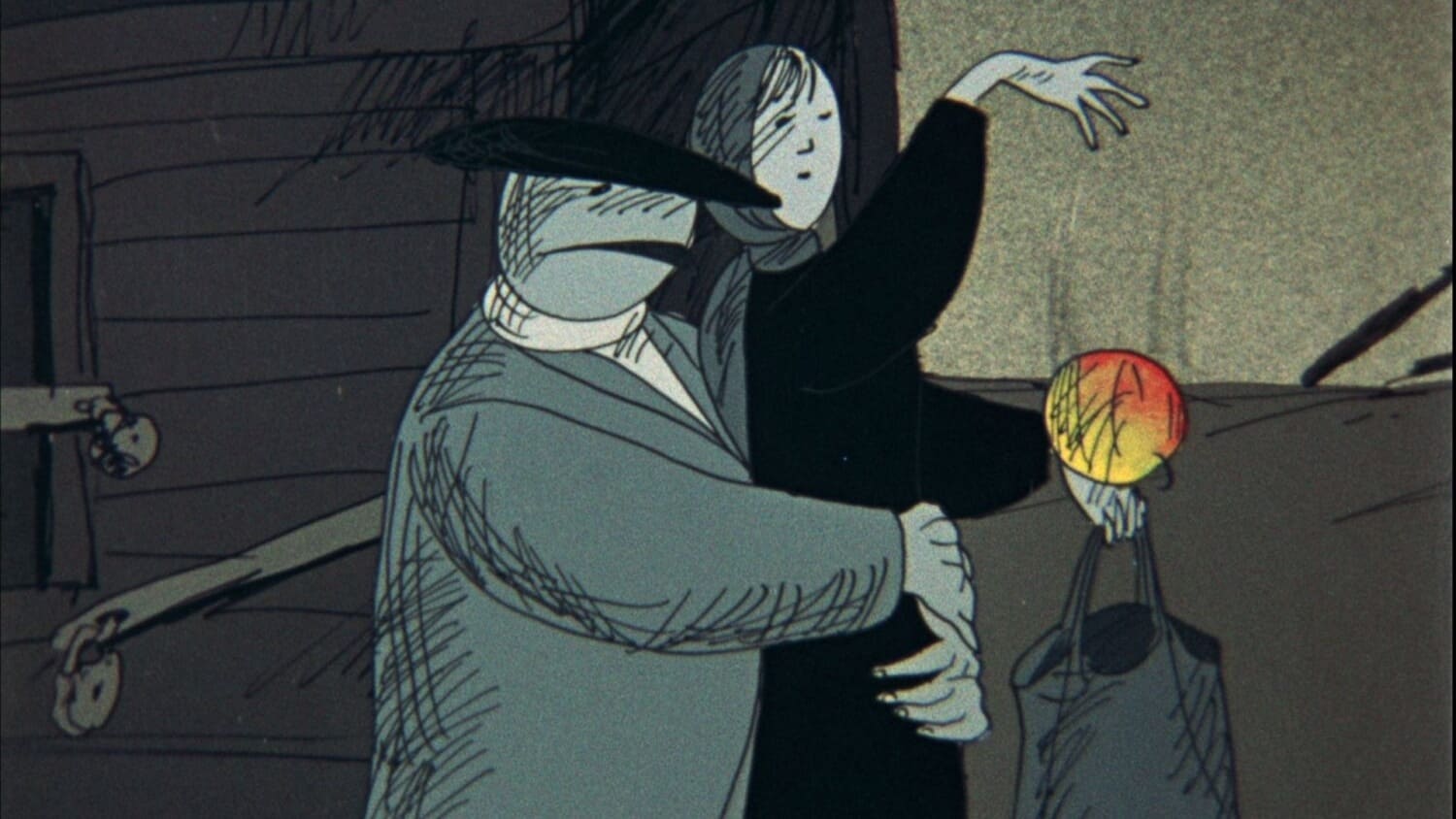


Several episodes, each focusing on a different figure. Towards the end they all come together to replicate the famous painting by Édouard Manet that provides the title.
A review of the Ryan Polomski documentary featuring the story of Basketball star Raymond Lewis.
'Rag Tag' encompasses the diversity within the African Diaspora by showing London Nigerian men learning to regulate their emotions while navigating love and societal pressures.
"Thunder Road" presents the grief that comes from a family member taking their own life.
Written and directed by Rian Johnson (Looper, Star Wars Episode VIII: The Last Jedi), Knives Out was one of the most clever and intricately crafted films of 2019.
At least we got the original cast back, right? Not even that saves it. None of them could bring a sliver of hope to this special. Rather, they bring dread as we witness the light leaving from their eyes.