




Aussie Cops Keep It Real In "Critical Incident"
Critical Incident is worthy of a weekend binge, keeping you guessing right up until the end.
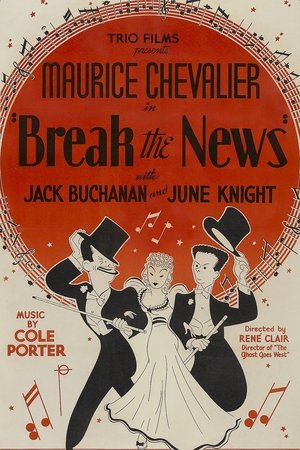


Two small-time song-and-dance men come up with what they believe is a surefire publicity stunt, guaranteed to keep their names in the public eye--one of them will "disappear" in what looks like a murder, and the other will be convicted of the crime. Then the "dead man" will suddenly show up at his partner's murder trial. Unfortunately, things don't quite go as planned. For one thing, no one seems to much care that the "dead man" is missing, and for another thing he's mistaken for the leader of a Balkan revolutionary group and is kidnapped by the other side.
Critical Incident is worthy of a weekend binge, keeping you guessing right up until the end.
The relationship between Will and Sean is the best part of the movie. It’s always a delight to see Robin Williams on screen
What can I say about this Will Ferrell/Julia Louis-Dreyfus-led “dramedy?” Well, the comedy part of Downhill is completely non-existent. And I should have known that the film was a flop when I walked into an empty theater at a prime time on a Friday night.
Mariah Carey's "All I Want for Christmas Is You" is an iconic family favorite with a multi-talented biracial lead that will remain fresh and magical for years to come.
The film blends reality and the supernatural world together, leaving the viewer unsure of what’s real and what’s merely a figment of Michael’s agitated imagination.
Religion, race and generations collide in this romantic comedy starring Jonah Hill