“Terrace House”: The Kinder, Gentler Japanese Alternative to Reality TV
"Terrace House" improves on the standard reality TV format by affording its cast privacy, freedom, and respect.




Konoha Inoue and Tōko Amano, the Literary Girl, as she calls herself, are the sole members of their high school literature club. Their lives will be altered when Konoha's past, forgotten for a long time, reaches the present, involving them in a whirlwind of feelings where love, jealousy, revenge, remorse and forgiveness struggle to prevail.

Shunsuke Tada
Director

Kana Hanazawa
Tōko Amano (voice)
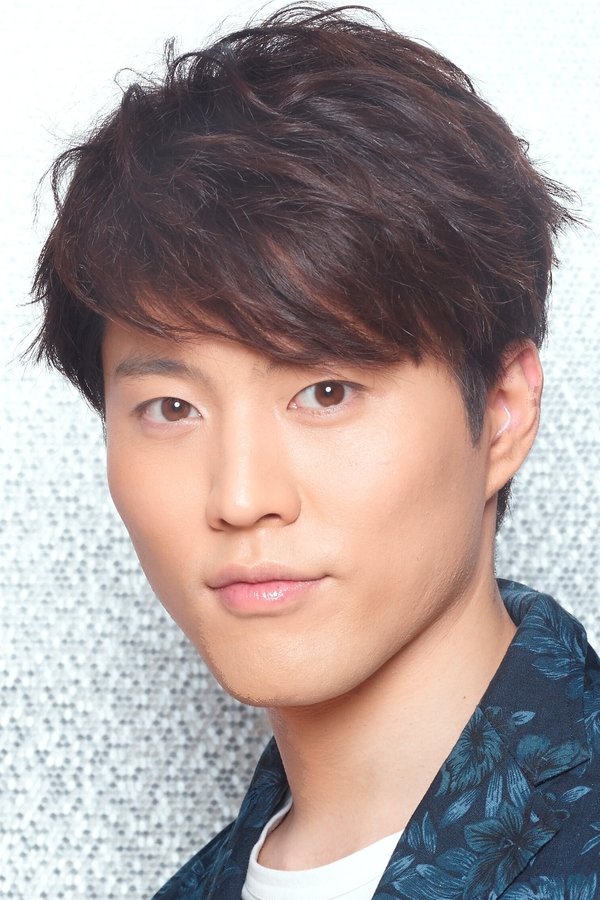
Miyu Irino
Konoha Inoue (voice)

Aki Toyosaki
Chia Takeda (voice)

Asami Shimoda
Kurara Mori (voice)

Aya Hirano
Miu Asakura (voice)
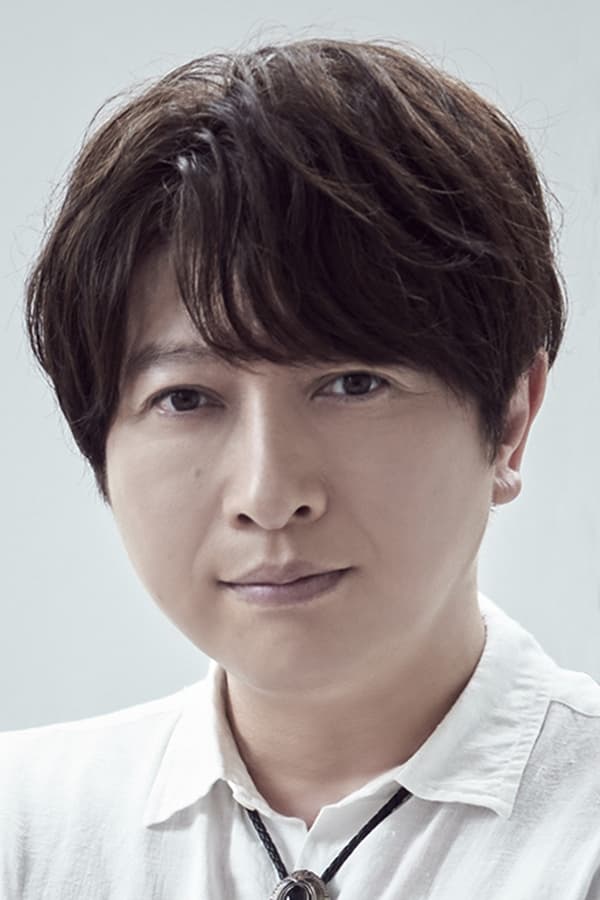
Daisuke Ono
Kazushi Akutagawa (voice)

Mamoru Miyano
Ryūto Sakurai (voice)

Nana Mizuki
Nanase Kotobuki (voice)

Shizuka Itoh
Maki Himekura (voice)

Yuka Nishigaki
Eri (voice)
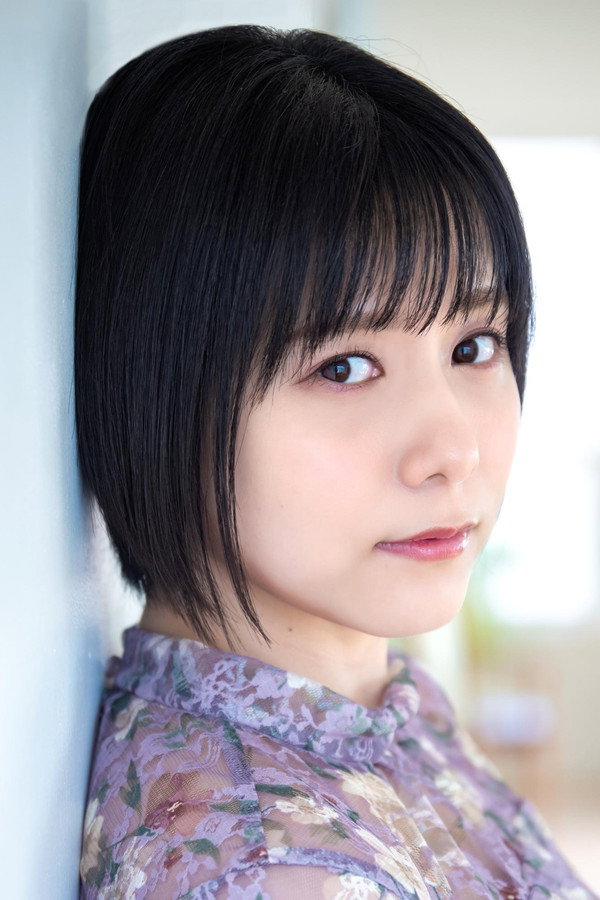
Minami Tsuda
Maika Inoue (voice)
"Terrace House" improves on the standard reality TV format by affording its cast privacy, freedom, and respect.
A best friend that will stick with you to the end, on a group trip from hell, is someone to die for.
Strangers in a crowd, exchanging glances, looking away, continually managing to run into each other then part ways, end up at the same diner, find they've rented the exact same vehicles, and are then made to travel together to learn once more whether they can both find genuine adoration and companionship again. This really does, in so many words, sum up the foundational gist of of this new feature film from writer Seth Reiss ("The Menu") and director Kogonada ("The Acolyte", "After Yang"). Yet, it's all only the set-up for the REAL wonder of everything that happens before, during, and in the aftermath of a magical, meaningful journey.
Darren Arronofsky focuses on diverse and heartbreaking stories about the human experience.
A refreshing twist is that all the kids’ powers are…kind of useless. There’s a kid who can only move in slow motion, a kid who has every power in the world but can only use them randomly, and our main character Missy who has no powers at all. The thesis of the film seems to be that it doesn’t matter what kind of powers you have, its the way you use them, which is good for the warm and fuzzies.
The concept of male fragility is explored (interestingly, by a male director) in The Sun Never Sets