



Revisiting Lady Bird - Now on Netflix
Lady Bird (Saoirse Ronan) tells her mother (Laurie Metcalf) that she wants to live through something — something that matters.
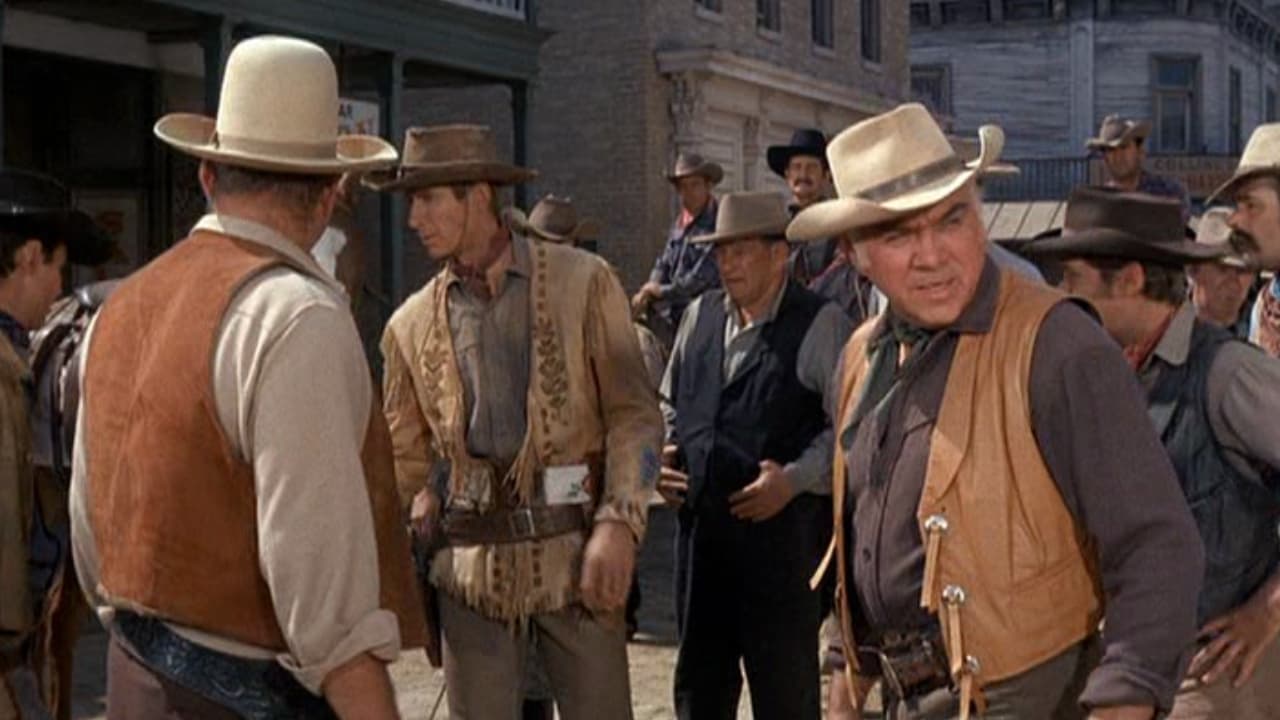
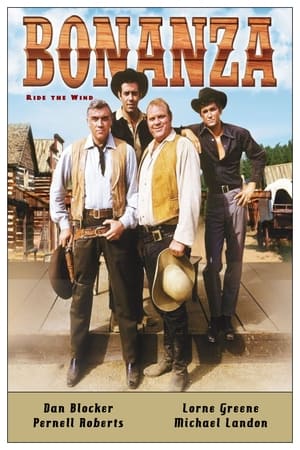


The Pony Express opens up an office in Virginia City. Despite being an investor, Ben objects to Joe signing up as a rider. Adding to his concerns, the Paiute Indians don't want the Pony Express riding across their land, and the manager's assistant, Curtis Wade, is itching to make a name for himself as an Indian fighter. The international theatrical release of the 1966 William Witney feature cowboy western movie made from two 1966 episodes of the television series "Bonanza", entitled "Ride the Wind"
Lady Bird (Saoirse Ronan) tells her mother (Laurie Metcalf) that she wants to live through something — something that matters.
A summary of the films featured in this annual event taking place in Westchester.
With The Father, writer-director Florian Zeller- who wrote and developed the play upon which the film is based- pulls no punches as he confidently makes every effort to put the audience in the mind of someone whose grip on reality has all but vanished. It’s a dazzling testament to Zeller’s abilities as a director as he makes his first transition from stage to film appear as if he’s been working behind a camera his entire career. The dialogue he fashions with co-writer Christopher Hampton, along with the work of production designers Peter Francis and Cathy Featherstone, collectively makes the downward spiral of dementia startlingly tangible, doing so in a way that can be comprehended by everyone except the person it directly affects.
Where we leave the characters is in such a peaceful and optimistic place. It feels well-earned to ensure everyone gets their own specially-crafted happy ending.
"Hustlers" returns power to groups that are traditionally deprived of it: women, the working class, and sex workers.
It’s hard to capture the emotions and thoughts of a character just from a few shots, but Oscar-nominee composer Micachu's haunting melodies prove otherwise in 'Jackie'.