
'65' is the Latest Dinosaur Flick in a Jurassic World
"65" (2023) is the latest Dino flick to try and answer "what else can we do with dinosaurs?"
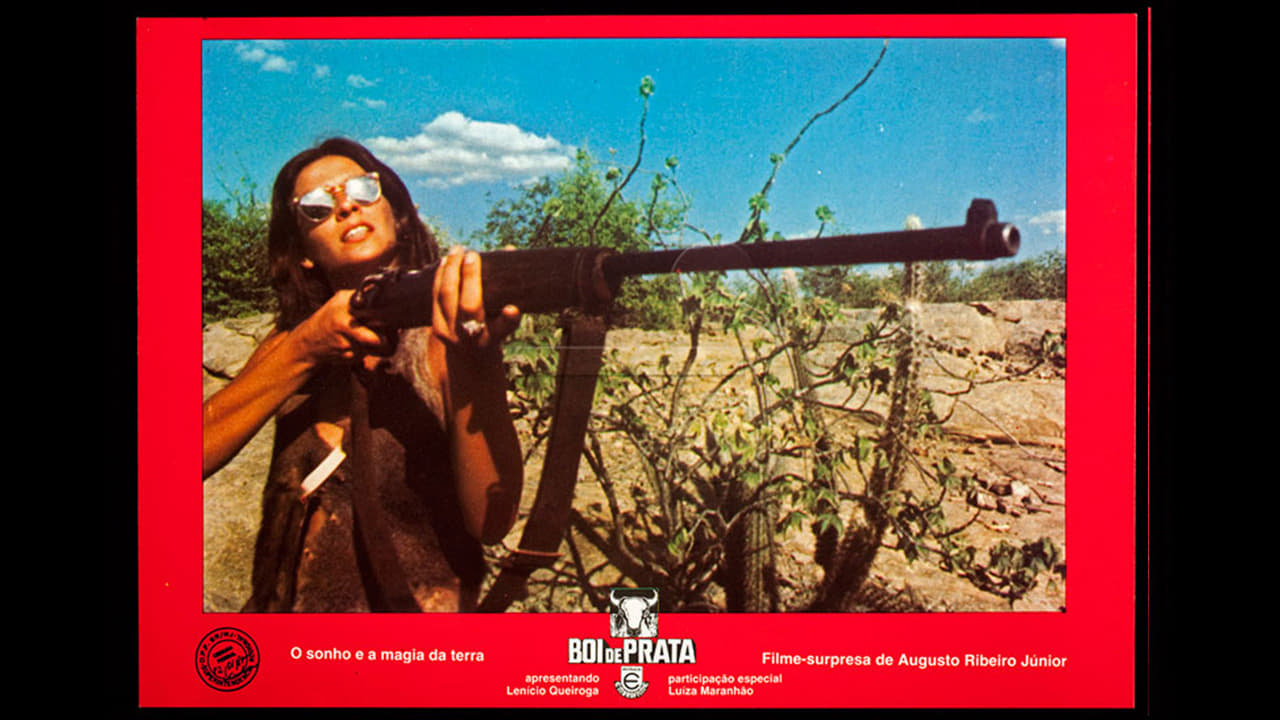
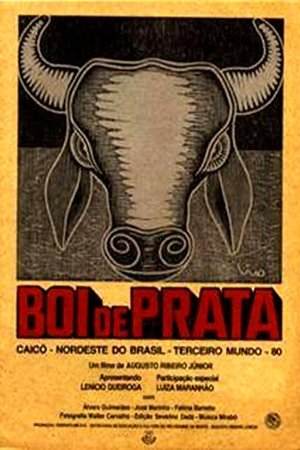


Somewhere in Rio Grande do Norte's countryside, Brazil, the wealthy farmer Elói Dantas (Álvaro Guimarães) decides to increase his patrimony even further by exploiting ores. To do this, he tries to appropriate the small site of Antônio Vaqueiro (José Marinho). Desperate, Antônio rushes to the aid of the gypsy healer Maria dos Remédios (Luiza Maranhão) and the poet and dreamer Tião Poeta (Lenicio Queirogo) to face the greed of Elói.
"65" (2023) is the latest Dino flick to try and answer "what else can we do with dinosaurs?"
Its predictability shouldn’t distract from the enjoyment that the pure cinematic imagination behind the camera elicits. It is a movie of crises both moral and mortal, oozing with CGI, and thoroughly enjoyable.
'Young Royals' is a great example of positive gay representation in its two main protagonists, but the supporting characters are often frustratingly selfish.
The more biting satire is reserved for those on top of the power structure, such as the police, while those occupying lower levels are given more nuance and likability, even if they operate on the wrong side of the law. This principle gives Deep Cover its heart.
For many people, Disney+’s debut show, The Mandalorian, was a breath of fresh air for the Star Wars universe. The Disney Gallery shows audiences how that show came to be.
When the world lost Chadwick Boseman on August 28, 2020, we all saw the impact of representation in film. Boseman was not only a Black superhero leading a Black cast in one of the most successful films in history; but his successes paved the way for more, long-overdue diversity in Hollywood.