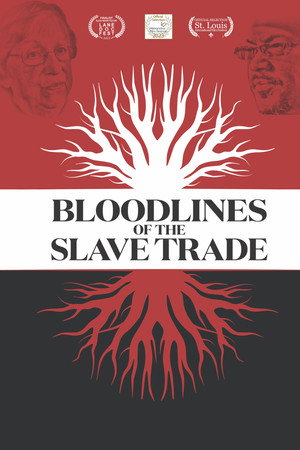
Bloodlines of the Slave Trade (2023)
Bloodlines of the Slave Trade examines the lives of two people whose only connection is a genetic link to John Armfield, one of the most notorious slave traders of the 1830s. Rodney Williams, who is Black, and Susanna Grannis, who is white, each trace their ancestry back to their distant ancestor, detailing the diverging paths their lineages took. While their relationship to this past is fundamentally different, and they never meet in the film, they both share in the telling of the horrific domestic slave trade and the ongoing reverberations of slavery.

- / 5
PopScore
Representation
Pictures and Videos

Movie Information
Bloodlines of the Slave Trade examines the lives of two people whose only connection is a genetic link to John Armfield, one of the most notorious slave traders of the 1830s. Rodney Williams, who is Black, and Susanna Grannis, who is white, each trace their ancestry back to their distant ancestor, detailing the diverging paths their lineages took. While their relationship to this past is fundamentally different, and they never meet in the film, they both share in the telling of the horrific domestic slave trade and the ongoing reverberations of slavery.
Rating:
Genre:Documentary
Written By:
In Theaters:9/29/2023
Box Office:
Runtime:73 minutes
Studio:Video Project
Cast

Articles You May Like
Mississippi Masala: A Romance that Interrogates Racism from Within and Without
Some people’s first introduction to Mira Nair might be as New York mayor Zohran Mamdani’s mom. But with her insightful direction of 1991’s Mississippi Masala, Nair shows how much she deserves to be known as an artist. Delivering a nuanced portrait of a romance between a Black man and an Indian woman living in the South, Nair explores the complications each character faces, giving both equal weight.
You're Probably Not 'The Worst Person In The World'
'The Worst Person In The World' follows a part of life I don't see often portrayed on-screen: extended adolescence.
'The Healing Powers of Dude' (2020)
This Netflix TV series is perfect for animal lovers as it is centered on human-dog bonding.
‘Halston’ Conveys Confusing Messages of Representation
While it is more than established that Halston’s life is far from a fairytale, the narrative suffers as a result of the decision to revolve more around sex and drugs than his artistry, it likely does a disservice to his cultural impact by pulling focus from his achievements.
Trans Allegories in Film: 'Nimona' (2023)
Animation as a medium of storytelling can be thought to be open to all ages and as I hope my reading will reveal, 'Nimona' could be interpreted as a transgender story.