


'Unsolved Mysteries': Netflix’s Revival Series is as Eerie as it is Compelling
'Unsolved Mysteries' is a reminder that not everyone has closure in their lives. Things will happen that have no known explanation, and seemingly come out of nowhere.
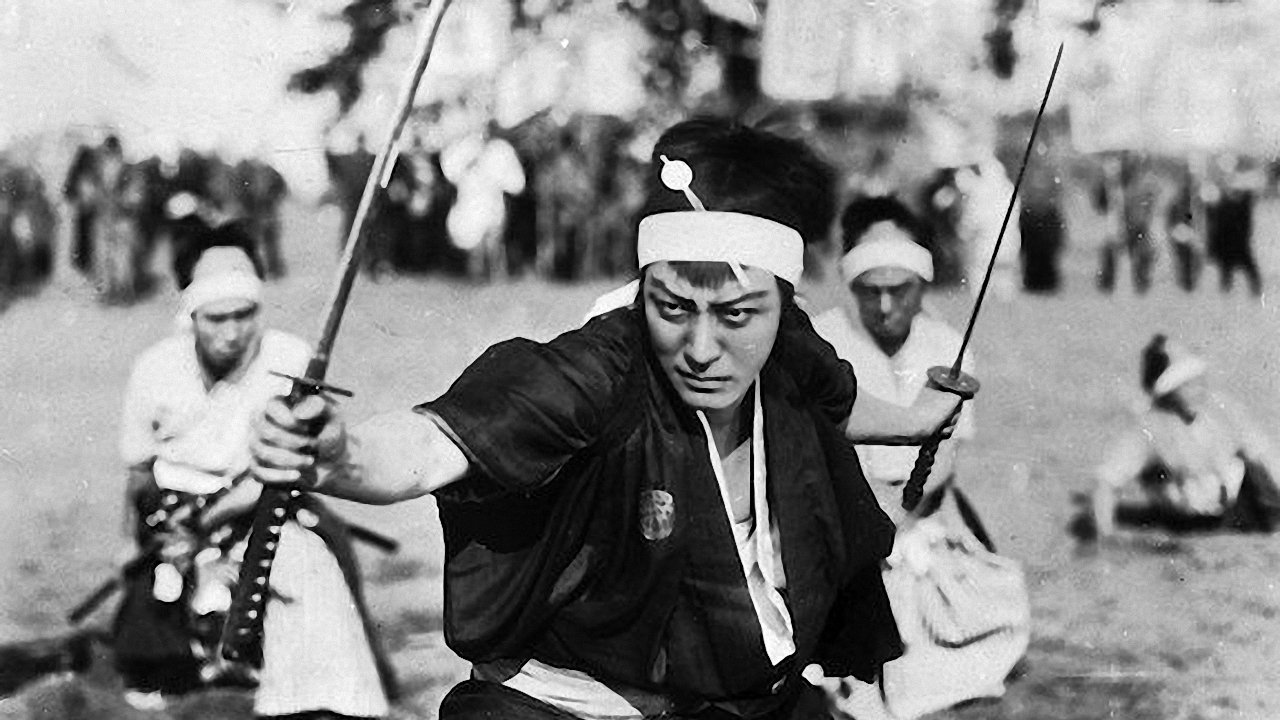
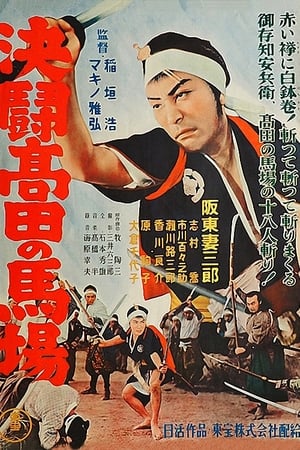


The tale of Nakayama Yasubei’s duel is famous, even if he in reality probably did not cut down 18 opponents. The story has been related in film, rakugo, kodan and on stage many times, in part because Nakayama later joined the famous 47 Ronin (Chushingura) as Horibe Yasubei. But Makino and Inagaki’s version gives no hint of this more serious future, playing up the thrills and the comedy with Bando’s bravura performance. The multiple pans of Yasubei running to the duel are an exemplar of the experimental flourishes of 1930s Japanese cinema and the final duel, performed virtually like a dance number, is a marker of Makino’s love of rhythm and one of the best sword fights in Japanese film history. The film was originally released under the title Chikemuri Takadanoba (Bloody Takadanobaba) with a length of 57 minutes, but suffered some cuts and a title change when it was re-released in 1952.
'Unsolved Mysteries' is a reminder that not everyone has closure in their lives. Things will happen that have no known explanation, and seemingly come out of nowhere.
The Invite is witty, dramatic, funny, and probably the best comedy released this year so far.
Shadow & Bone excels in natural story representation with powerful centering of culture. Jessie Mei Li stars as Alina Starkov, the feisty cartographer with kindness, innocence, and integrity, who comes to be revealed as the legendary summoner of light.
Films can alleviate alienation by presenting realities where the viewers feelings are shared by onscreen characters. The film 'Shrek' can be interpreted as a transgender story.
If you’ve been itching for a sign to finally go on that unforgettable summer camping trip, this is it.
It’s almost the end of the first month of 2021, and just over a week since the U.S. saw a new president take office. In light of the occasion, some of us highlighted our favorite political films below!