
What We Do in the Shadows (of Our Closet Walls)
There’s enough evidence to insinuate that What We Do in the Shadows is intentionally queer-coded.
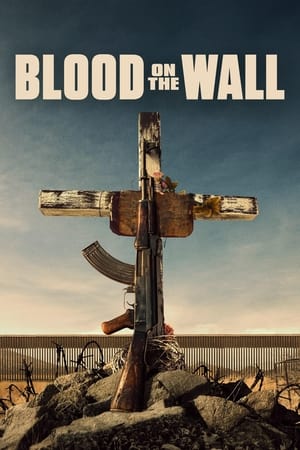


Explores how Mexico has been shaped by U.S. policies, migrant caravans, drug traffickers and corruption.
There’s enough evidence to insinuate that What We Do in the Shadows is intentionally queer-coded.
Life may find a way, but is it worth testing its fierceness and how far it will go?
The Mandolorian has a more nuanced and commentative take on masculinity that refrains from praising the toxic traits associated with the social category, while also showing a more positive and transformative representation of masculine characters.
In all actuality, “Just Mercy” should be labeled a “wall punching narrative.” Constantly, the flick throws high forms of adversity our way, amping up our most inner levels of discomfort. Filmmaker Destin Daniel Cretton wonderfully paces the film in such a way that replicates the slow-burn nature of justice.
Him is visually stunning—all concrete cathedrals and bone-rattling impact shots that look like a nightmare highlight reel. Marlon Wayans is magnetic as this legendary quarterback who's basically selling salvation with a smile that never quite reaches his eyes. But the story keeps running in circles: more tests, more cryptic pep talks, more ritualistic drills. The sports-as-religion metaphor beats you over the head when subtlety would've been more effective. The middle drags, and that finale chooses spectacle over substance. It's undeniably stylish, but left me cold. Also worth noting: despite the Monkeypaw connection, this isn't actually a Jordan Peele film—he didn't write or direct.
The sequel to the 2021 remake of the same name continues from where we last left off in this spooky adventure.