









Hocus Pocus 2 - Was it Worth it?
Happy Halloween! If you were debating capping off Spooky Season with a viewing of Hocus Pocus 2, it is just very clear that this is more for the younger audience as opposed to people who grew up with the original.
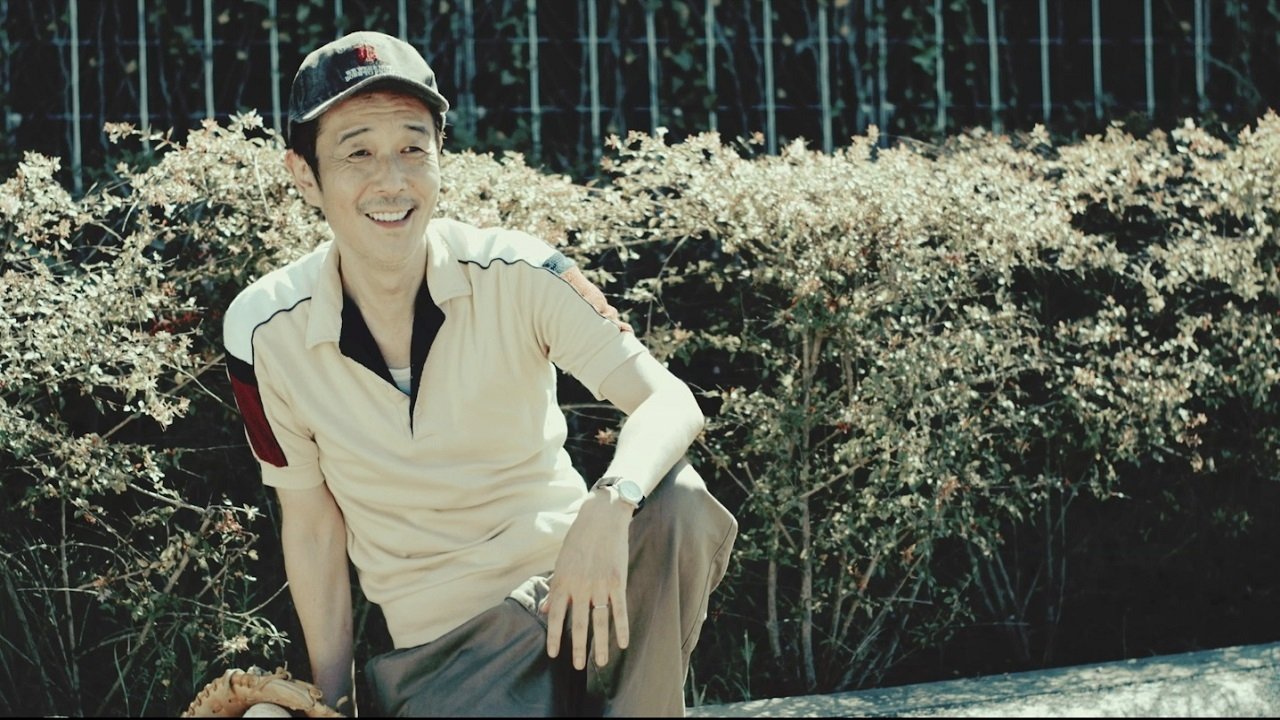



Thirteen years after abandoning his wife and two sons by stepping out for a pack of cigarettes and never returning, deadbeat gambler Masato dies of stomach cancer. At his funeral, a motley crew of fellow mahjong players, pachinko parlor employees and former drinking buddies gather to pay their respects and tell stories, revealing aspects of Masato’s life that complicate his sons’ resentment towards him.
Happy Halloween! If you were debating capping off Spooky Season with a viewing of Hocus Pocus 2, it is just very clear that this is more for the younger audience as opposed to people who grew up with the original.
The July episode of Incluvie Movie Highlights provides 4 exciting films that have polarizing reviews! Special guest and Incluvie movie critic Daleyna joins in to discuss Mr Malcolm's List, a regency-era film set in England, starring leads of Indian and African heritage (Freida Pinto and Sope Dirisu), which is a first! Don't Make Me Go, starring an Asian and Blasian lead (John Cho and Mia Isaac), is a sincere film with a controversial ending! Don't worry, no spoilers. 1Up, about a team of female gamers led by Paris Berelc, who's half Asian, receives acclaim on Incluvie, but much hate everywhere else on the internet. And the feature film... is Nope ! One cohost thinks the film was imaginative, while the other cohost insists it was boring (but with good social commentary)! Who thought what? Tune in with your hosts: Cathy Yee and Hazel Bolivar!
Him is visually stunning—all concrete cathedrals and bone-rattling impact shots that look like a nightmare highlight reel. Marlon Wayans is magnetic as this legendary quarterback who's basically selling salvation with a smile that never quite reaches his eyes. But the story keeps running in circles: more tests, more cryptic pep talks, more ritualistic drills. The sports-as-religion metaphor beats you over the head when subtlety would've been more effective. The middle drags, and that finale chooses spectacle over substance. It's undeniably stylish, but left me cold. Also worth noting: despite the Monkeypaw connection, this isn't actually a Jordan Peele film—he didn't write or direct.
Shadow & Bone excels in natural story representation with powerful centering of culture. Jessie Mei Li stars as Alina Starkov, the feisty cartographer with kindness, innocence, and integrity, who comes to be revealed as the legendary summoner of light.
Lady Bird (Saoirse Ronan) tells her mother (Laurie Metcalf) that she wants to live through something — something that matters.
It’s passionately protective of the women mentioned in the story or appearing on screen. Just like the article and the #MeToo movement, the film could help a trapped person find the courage to fight back.