Freakier Friday: Maybe It Was Freaky Enough the First Time?
If a movie about a strange and crazy day is commercially successful, why not recycle it and double the kookiness quotient? That seems to be the logic behind this followup to Freaky Friday.




Annie marries Jack Westford, a cop when they met. Six years later, Jack is now working as a security guard in a bank and feels that he was unfairly fired from the force. He also appears to be no longer interested in Annie and has an affair with another bank employee. Among his duties is delivering old money for disposal. He comes up with a plan to steal the money and run away. Part of his plan is to fake his death and frame Annie. While the police suspect that she killed Jack and knows where the money is, there's also an insurance investigator on her back.

Stuart Cooper
Director
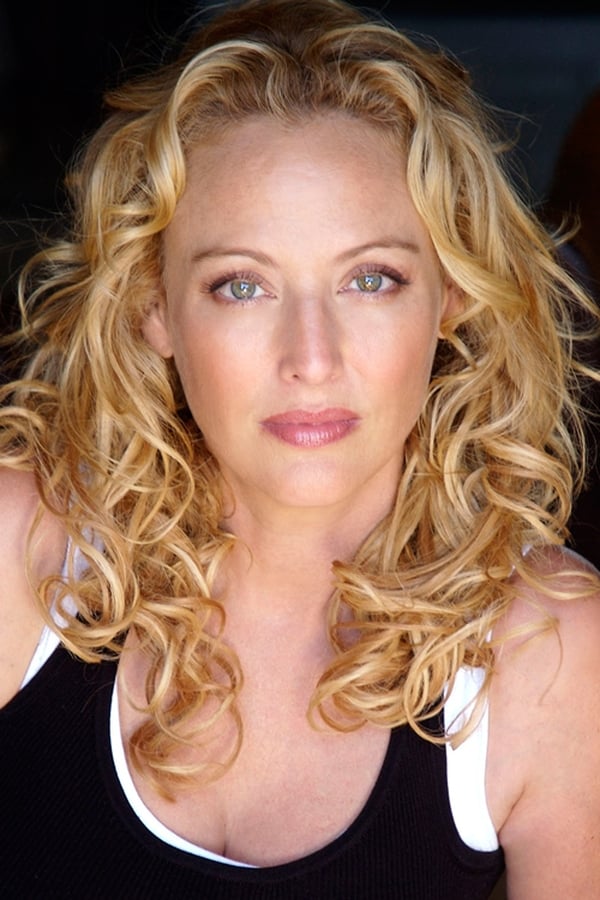
Virginia Madsen
Annie Westford

Bruce Greenwood
Jack Westford

Kristen Dalton
Isabella Martens (as Kristen Hocking)

Eddie Velez
Harry Carver

Gordon Jump
Arnold Fulmer

Carlos Gómez
Ray Partana
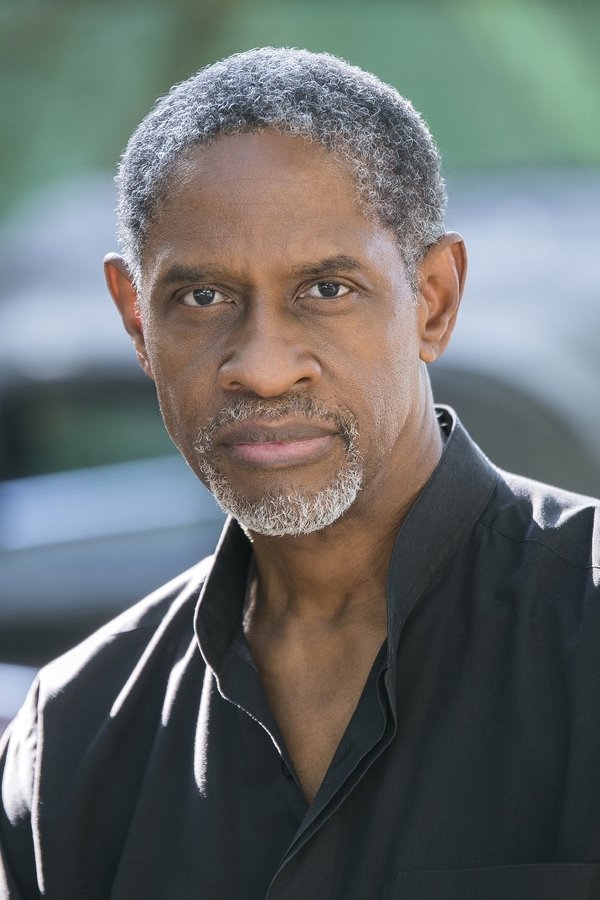
Tim Russ
Lt. James

Jack Forcinito
Det. Davis (as Jack Verell)

Vince Melocchi
Joseph
Teresa Truesdale
Kate
Peter Moore
Gordon
If a movie about a strange and crazy day is commercially successful, why not recycle it and double the kookiness quotient? That seems to be the logic behind this followup to Freaky Friday.
Asha, the main character, is a biracial woman who discovers the power of magic wishing dust.
Him is visually stunning—all concrete cathedrals and bone-rattling impact shots that look like a nightmare highlight reel. Marlon Wayans is magnetic as this legendary quarterback who's basically selling salvation with a smile that never quite reaches his eyes. But the story keeps running in circles: more tests, more cryptic pep talks, more ritualistic drills. The sports-as-religion metaphor beats you over the head when subtlety would've been more effective. The middle drags, and that finale chooses spectacle over substance. It's undeniably stylish, but left me cold. Also worth noting: despite the Monkeypaw connection, this isn't actually a Jordan Peele film—he didn't write or direct.
Emma Stone (Estella and Cruella) and Emma Thompson (the Baroness) did not come to play around in Cruella. They embodied the perfect balance of sinister and sincere. Estella went through a great hero's journey, and what a journey it was!
Rather than following in the footsteps of poorly made horror flicks, “The Quiet Place” follows original concept.
By undermining the appeal and credibility of black characters, the show compromises the very idea of diversity and representation it sets to promote.