



Making a Killing in 'Killers of the Flower Moon'
‘Killers of the Flower Moon’ is preoccupied with plot and not on the greater struggle of the Osage.
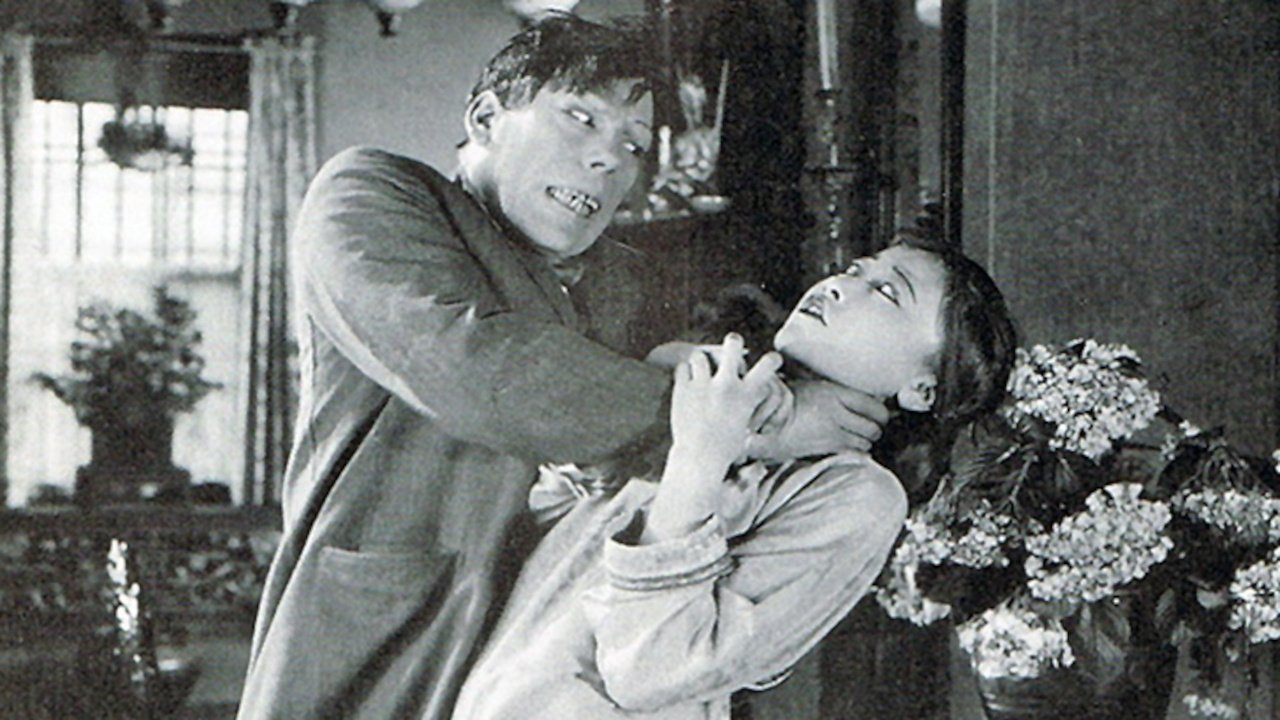
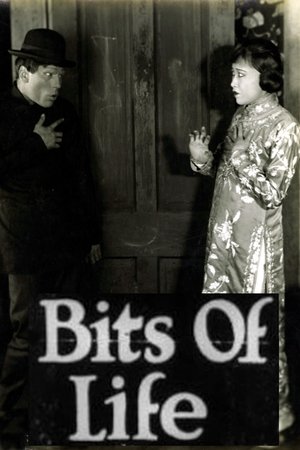


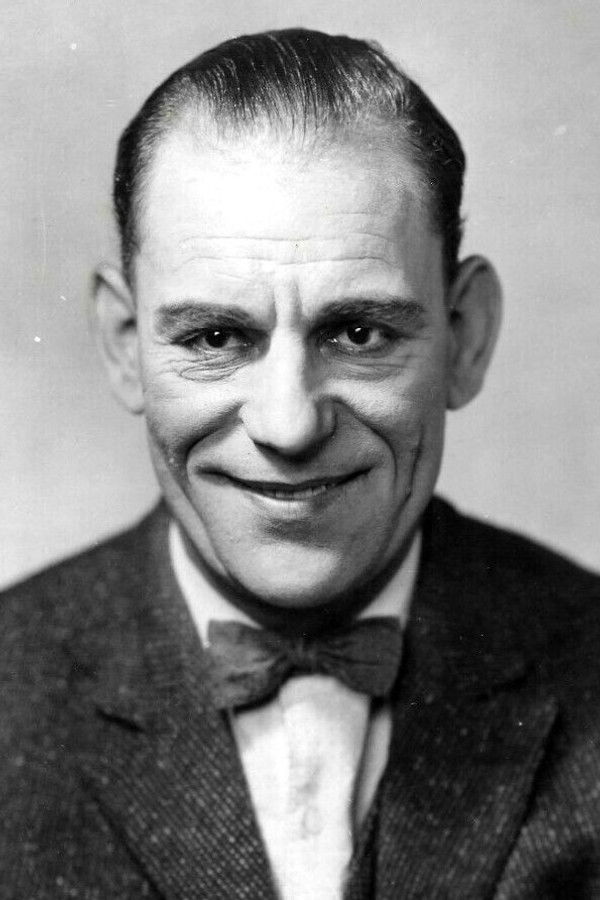
This film combines four short films under the title Bits Of Life. The Bad Samaritan is taken from a story in Popular Magazine in which the son of a Chinese father and a white mother is sold into slavery by his father. The boy becomes a criminal and a cunning but cruel thief. The one time he stops to help a lady in distress he is thrown in jail. Wesley Barry is the young boy and Lon Chaney the grown-up criminal.
‘Killers of the Flower Moon’ is preoccupied with plot and not on the greater struggle of the Osage.
'Playing with Fire' was clearly a film made for a kid or tween-ish audience. Keeping that in mind, I thought 'Playing with Fire' was alright, though it did portray some harmful stereotypes.
Steven Spielberg's West Side Story (2021) improves on the original's terrible representation, poorly written romance, and more. --> check out reviews & film summary
A man found himself stuck inside the passage to the subway exit on the way to work.
The film blends reality and the supernatural world together, leaving the viewer unsure of what’s real and what’s merely a figment of Michael’s agitated imagination.
"La Noria" deftly subverts audience expectations as it explores childhood grief, anxieties, and pain. The award-winning short shows us that often our monsters are often sprung from our darkest places.