






'Young Royals' Review
'Young Royals' is a great example of positive gay representation in its two main protagonists, but the supporting characters are often frustratingly selfish.
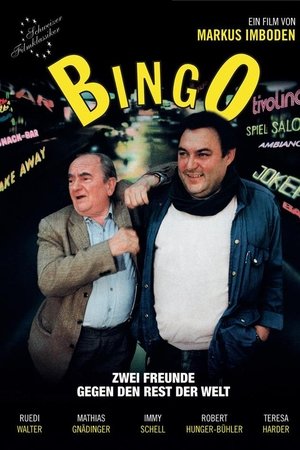


Bingo and Sturzi became friends in prison and have big plans. After their release, they both want to turn their backs on a life of crime and emigrate to Brazil. When Sturzi is released from prison six months after Bingo, he discovers that his friend is still broke and even has criminal plans again. Sturzi, who has grown older and wiser in prison, is deeply disappointed, but wants to generously pay for the plane tickets out of his small fortune. His guardian disagrees: Sturzi is to go to a men's shelter and pay off his debts first. When he witnesses how amateurishly Bingo and his buddy Schorschi are planning a bank robbery, the old professional in Sturzi awakens.
'Young Royals' is a great example of positive gay representation in its two main protagonists, but the supporting characters are often frustratingly selfish.
In a world where we hear ringers and beepers at every corner, technology feels inescapable. This is why technology is often an enemy in Digital J-horrors, like One Missed Call.
Miley Cyrus shares her struggles as a songstress with a young audience, all while staying upbeat for the Disney brand.
If you enjoy Japanese cinema, absurdly violent action films, gangster flicks, or joyfully strange cinema, 'Why Don’t You Play in Hell?' is a must-see.
The differences in these films could not be more blatant, and yet Gus Van Sant has found a way to portray the same messages and use the same techniques in each.
A film for the post-MeToo era that inverts the narrative with an ironic coda, Tár depicts the duality of a sensitive artist capable of great evil and vile manipulation.