








What 'Magnolia' Says About Childhood Trauma
Magnolia focuses on how one’s childhood and trauma relate to their confidence and self.
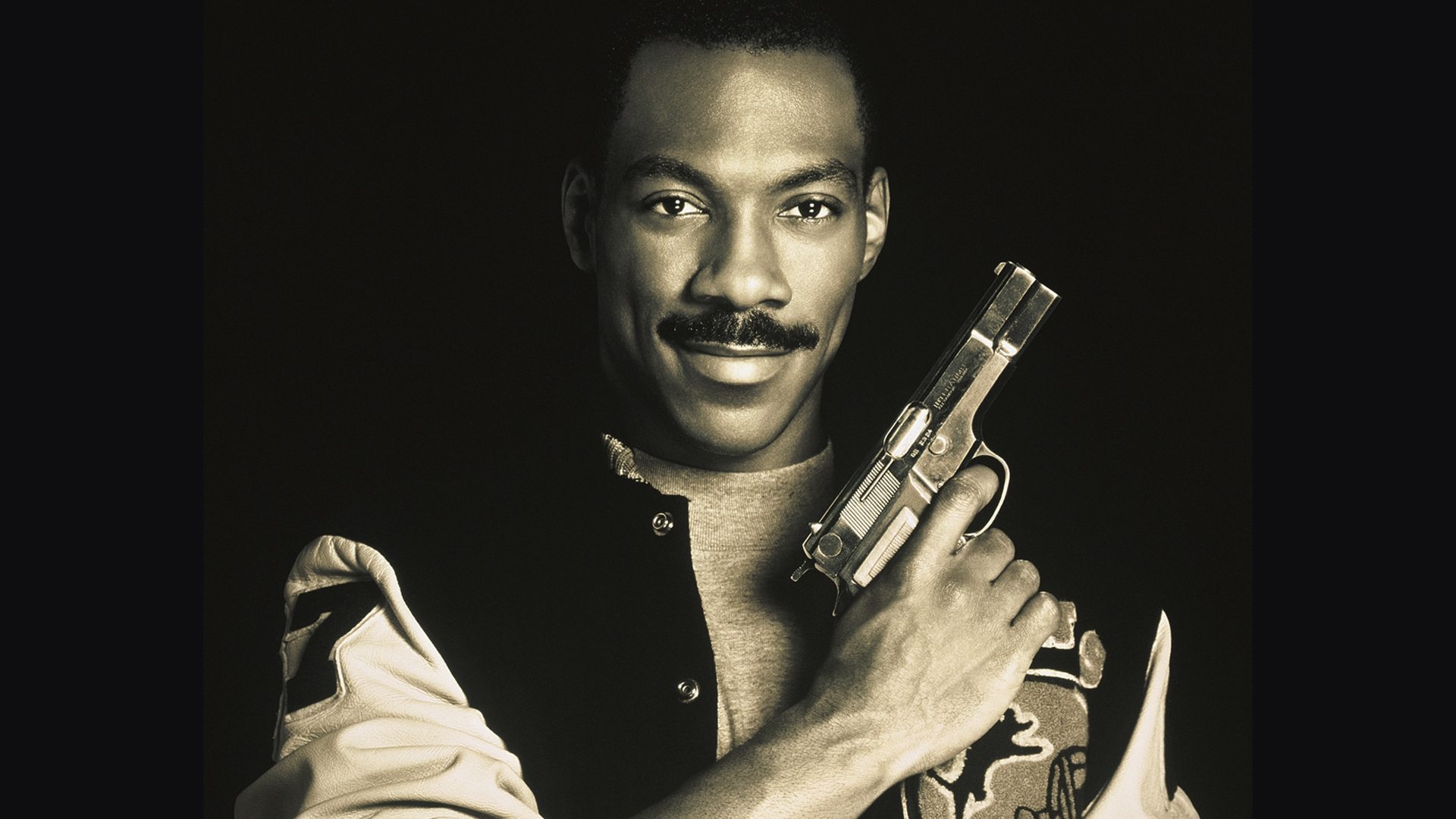
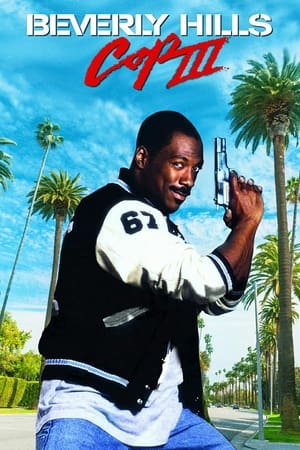


When his boss is killed, Detroit cop Axel Foley finds evidence that the murderer had ties to a California amusement park called Wonder World. Returning to sunny Beverly Hills once more, Foley reunites with Detective Billy Rosewood to solve the case. Along with Billy's new partner, Detective Jon Flint, they discover that Wonder World is being used as a front for a massive counterfeiting ring.
Magnolia focuses on how one’s childhood and trauma relate to their confidence and self.
“There’s always something you can do…to make people feel like they’re welcome”
Set in a future dystopian United States in which water is running out, Julia Hart’s Fast Color (2018) is a refreshingly different take on the superhero film.
The repeated actions, the blood on the petals, the rustling under the floor…An ambient short horror film takes us into another realm.
"Ladies First" has a fundamental misunderstanding of what's feminine because of the patriarchy and what women do because they genuinely enjoy it.